

Exports
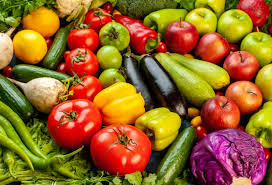
Long recognized globally as a major exporter of traditional cereals such as rice and wheat, India is now undergoing a structural transformation in its agricultural landscape. Rapid growth in fruit and vegetable production is reshaping the country’s export profile, signaling a shift beyond the Green Revolution toward what experts increasingly describe as a “Golden Revolution,” driven by horticulture-led growth.
Since 1991, India’s horticulture output has nearly quadrupled. According to the third advance estimates of the Ministry of Agriculture and Farmers Welfare, total horticulture production is projected to exceed 369 million tonnes in 2024–25. This scale has positioned India as the world’s second-largest producer of horticultural crops. Importantly, the growth trajectory is not limited to volume; it extends to value addition, processing, and export diversification.
Expanding Market and Export Momentum
India’s greenhouse horticulture market was valued at approximately USD 1.24 billion in 2024 and is projected to surpass USD 3 billion by 2033, reflecting rising domestic and global demand for high-quality fresh produce. In FY 2024–25, exports of fresh food products reached nearly USD 3.8 billion, marking a significant year-on-year increase. Fruits and vegetables are steadily increasing their share in India’s overall agricultural export basket.
Government interventions have accelerated this transition. Flagship initiatives such as Pradhan Mantri Kisan SAMPADA Yojana and Mission for Integrated Development of Horticulture (MIDH) aim to reduce post-harvest losses, strengthen processing capacity, enhance cold-chain infrastructure, and improve farmers’ market access. These policy measures are enabling a more integrated farm-to-market ecosystem.
Changing Consumption Patterns and Demographic Drivers
Rising incomes, urbanization, and heightened health awareness have significantly altered dietary preferences. Consumers are gradually shifting from cereal-dominated diets toward nutrient-rich fruits and vegetables. Crops such as avocado, dragon fruit, and broccoli—once considered niche or exotic—have become increasingly common in urban retail markets. Modern retail networks and quick-commerce platforms have further boosted demand for fresh and premium produce.
Income Opportunities for Farmers
Diversification into horticulture is emerging as a viable income-enhancing strategy, particularly for small and marginal farmers. Multi-cropping systems reduce production risk and generate year-round employment. However, infrastructure gaps remain a constraint. An estimated 15–20 percent of perishable produce is lost due to inadequate cold storage and supply-chain inefficiencies, underscoring the need for sustained investment.
Climate-Resilient Horticulture
In the context of climate variability, the development of heat-tolerant and drought-resistant varieties, adoption of mulching practices, and water-efficient initiatives such as the “Per Drop More Crop” approach are playing a pivotal role. These measures are helping stabilize yields while safeguarding farm incomes. Overall, India’s horticulture-driven transformation is strengthening rural economies, enhancing nutritional security, and expanding export competitiveness. As fruits and vegetables assume a central role in agricultural growth, the country is steadily establishing itself as a global “fresh powerhouse” in the agri-export landscape


 By
By











