

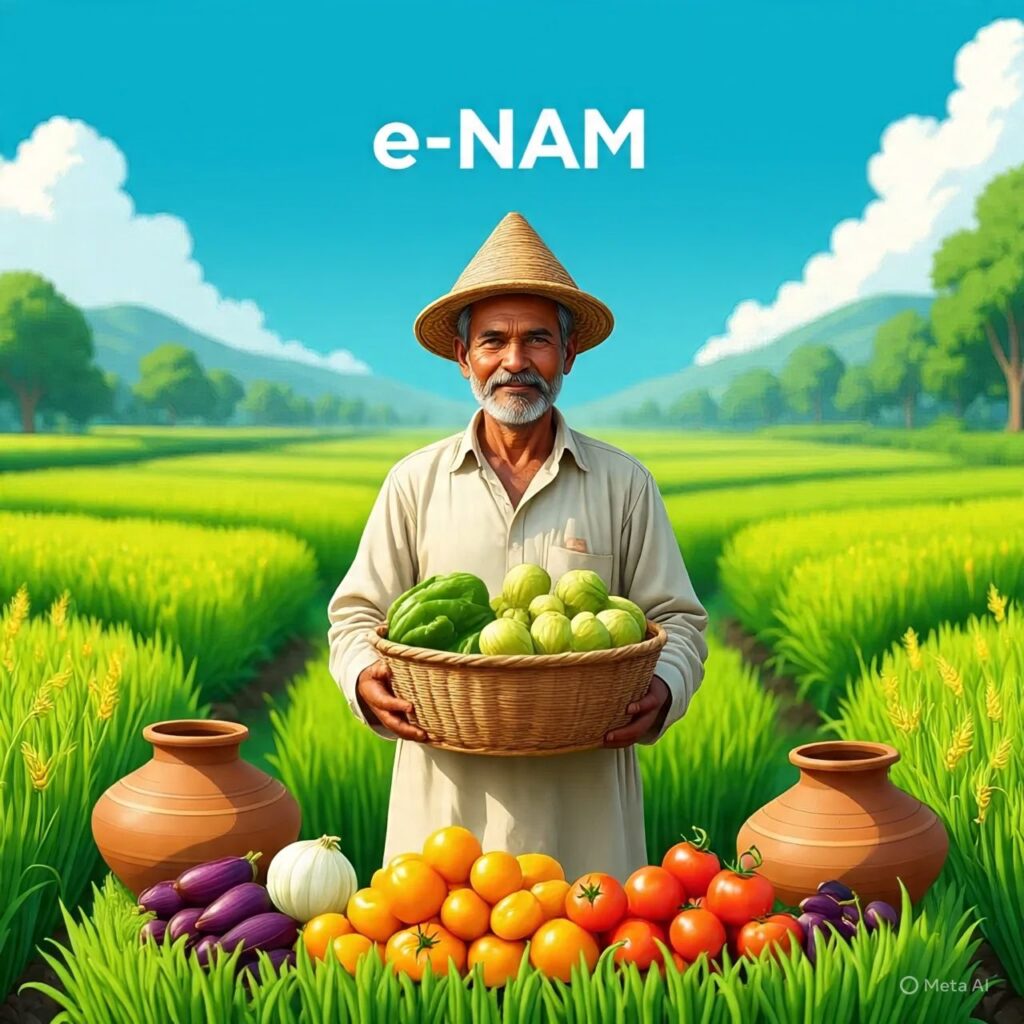
In the ever-evolving landscape of Indian agriculture, Bihar has once again made its mark by bridging tradition with technology. The state, long known for its fertile plains and rich crop diversity, is set to see four of its prized Geographical Indication (GI) tagged products go digital through the National Agriculture Market, popularly known as e-NAM.
This milestone, approved by Union Agriculture and Farmers’ Welfare Minister Shivraj Singh Chauhan, includes Bihar’s aromatic Katarni rice, the world-renowned Zardalu mango, the celebrated Shahi litchi, and the culturally treasured Magahi paan. With this move, these iconic regional crops will find fairer prices, greater market reach, and a place in India’s growing digital agriculture revolution.
What Does GI Tag Mean and Why Does It Matter?
A Geographical Indication (GI) tag is a sign used on products that have a specific geographical origin and possess qualities or a reputation that are due to that origin. In India, the GI tag is a legal recognition that safeguards traditional knowledge and protects the uniqueness of local goods.
For farmers, a GI tag doesn’t just add prestige; it also enhances market demand, helps fight counterfeits, and ensures consumers get authentic produce.
However, for many small farmers, a GI tag alone has not been enough to ensure good returns. Marketing, branding, and access to national markets have remained gaps. That’s where e-NAM comes in.
What is e-NAM?
Launched in 2016, the National Agriculture Market (e-NAM) is a pan-India electronic trading portal that networks existing Agricultural Produce Market Committee (APMC) mandis to create a unified national market for agricultural commodities. It promotes fair price discovery, transparency, and removes middlemen.
With over 1.75 crore farmers and 2.4 lakh traders registered, e-NAM has revolutionized how Indian farmers connect with buyers — big retailers, exporters, or processors — without being bound by local market limits.
A Major Boost from Bihar Agricultural University (BAU)
A significant push behind getting Bihar’s GI crops onto e-NAM came from Bihar Agricultural University (BAU), Sabour. Under the leadership of Vice Chancellor Dr. D.R. Singh and Director of Research Dr. Anil Kumar Singh, BAU has worked relentlessly to certify, standardize, and conserve these crops.
Their research and technical support have ensured that these crops meet national trading standards, and farmers get practical help to maintain quality during cultivation and post-harvest. This work paved the way for these GI products to enter India’s digital agriculture mainstream.
Four Gems of Bihar Ready for a Wider Market
1. Katarni Rice: Fragrance from the Fields
Katarni rice, grown mainly in Bhagalpur, Banka, and Munger, is famed for its aroma, short grain, soft texture, and easy digestibility. Unlike commercial high-yield varieties, Katarni is a traditional rice, cultivated with methods passed down through generations.
Despite its rich taste and heritage, Katarni farmers have long faced challenges competing with mass-produced rice varieties. Through e-NAM, these farmers can now fetch better prices by directly connecting with niche buyers and exporters who value authentic, chemical-free traditional rice.
2. Zardalu Mango: Bihar’s Golden Delight
The Zardalu mango, cultivated mainly in Bhagalpur, is known for its unique aroma and golden-yellow color. This variety has even made its way to the Presidential Palace in New Delhi, highlighting its prestige.
With climate change and middlemen often eating into profits, farmers cultivating Zardalu mangoes have not always received fair returns. Its entry into e-NAM will help ensure transparent bidding, allowing cultivators to earn what this royal fruit truly deserves.
3. Shahi Litchi: India’s First GI Litchi
Shahi Litchi, grown in Muzaffarpur, was India’s first litchi to receive a GI tag. Its juicy pulp, sweetness, and aroma make it one of the most sought-after varieties domestically and internationally. Bihar accounts for about 40% of India’s litchi production, with Shahi Litchi being its crown jewel.
By being listed on e-NAM, this delicate fruit can find premium buyers across India without farmers having to rely solely on local traders or distant middlemen.
4. Magahi Paan: A Cultural Heritage
The Magahi Paan, cultivated in Nalanda, Nawada, and Gaya, is valued for its soft texture, mild fiber, and cultural importance. Traditionally used in social rituals, religious offerings, and celebrations, Magahi Paan has a loyal base of consumers.
Digital inclusion through e-NAM means betel leaf growers will get assured buyers and competitive pricing, overcoming the exploitation that small cultivators often face.
Why Going Digital Changes the Game
The inclusion of these four GI-tagged crops on e-NAM brings multiple benefits for farmers, traders, and the broader rural economy:
1. Transparent Price Discovery
Traditional local mandis often have price fluctuations, lack of clear grading, and limited buyer competition. With e-NAM, bidding happens online. Farmers get real-time updates on prevailing prices, reducing the chances of distress sales.
2. Direct Access to National Buyers
Instead of being bound by local buyers, farmers can connect with buyers from other states or cities who are willing to pay a premium for quality. This national reach ensures farmers don’t have to accept unfair prices from middlemen.
3. Quality-Based Pricing
e-NAM encourages trade based on clear trade parameters. With standardization and grading done at the mandi, quality produce fetches higher prices — rewarding farmers who invest time and effort in growing GI-quality crops.
4. Boost to Branding and Export
Listing on e-NAM enhances the brand value of these products, opening the door to potential exports. Many exporters and large-scale processors use e-NAM to source bulk produce, ensuring these heritage products reach global shelves.
BAU’s Role in Sustaining Quality
The role of Bihar Agricultural University doesn’t end with GI certification. BAU continues to train farmers in best practices, quality control, and post-harvest management.
Through initiatives like the GI Processing Cell and GI Facilitation Center, the university helps farmers with product authentication, standard packaging, and branding. This reduces the risk of fake products flooding the market under the same name.
How Many Products Are Now on e-NAM?
With the latest additions, e-NAM now hosts 238 registered products from different states. From grains and pulses to fruits, vegetables, spices, and now special GI-tagged items — e-NAM is steadily evolving into India’s true digital mandi.
A Step Towards Rural Prosperity and Global Recognition
Adding Bihar’s GI crops to e-NAM is not just about selling produce; it’s about empowering farmers with digital literacy, fair prices, and respect for their craft.
This is a classic example of how local heritage crops can be protected and marketed through smart policy and modern technology. It shows that tradition and technology can go hand in hand.
For consumers, this means easier access to authentic, traceable products. For farmers, it means recognition for centuries-old cultivation practices and a fair share of the value chain.
Next Steps: Beyond Rice, Mango, Litchi, and Paan
BAU has plans to bring more of Bihar’s unique crops into mainstream markets. Singhara (water chestnut), baby corn, and dragon fruit are also being standardized for wider commercial adoption and export.
By promoting diverse crops, the state not only reduces its dependence on staple grains but also encourages sustainable income streams for farmers.
The Bigger Picture: What Other States Can Learn
Bihar’s success offers a blueprint for other Indian states rich in unique crops but lacking market reach. GI tags protect cultural heritage, but without marketing and digital access, the real benefit to farmers remains limited.
Combining GI certification with e-NAM shows how digital platforms can break old barriers, ensure fair pricing, and turn small farmers into direct sellers at a national level.
Conclusion: Farmers, Heritage, and Digital India
In many ways, the inclusion of Katarni rice, Zardalu mango, Shahi litchi, and Magahi paan in e-NAM represents a turning point for Bihar’s farmers. It proves that with the right mix of science, policy, and technology, traditional crops can be turned into powerful brands — brands that bring prosperity to villages, protect heritage, and put local farmers on the national and even global map.
This is Digital India in its true sense — connecting fields to markets, preserving heritage, and powering the rural economy with dignity and pride.
Key Takeaway
In the words of Dr. D.R. Singh, Vice Chancellor of BAU:
“Presence of these products on e-NAM will not only enhance their brand value but will also provide farmers competitive prices and access to the national market. This milestone will help establish Bihar as a national hub for agricultural innovation and branding.”
Bihar has shown the way. Now, the seeds are sown for a future where India’s rural riches are no longer hidden treasures but globally recognized brands — with farmers getting the credit and income they truly deserve.


 By












