The Food and Agriculture Organization of the United Nations (FAO) has lowered its forecast for international cereal trade in the 2026–27 season, projecting a total of approximately 505.8 million tonnes. The forecast represents a 3.5% decline from the record level estimated for the 2025–26 season, highlighting growing challenges in moving agricultural commodities across international markets.
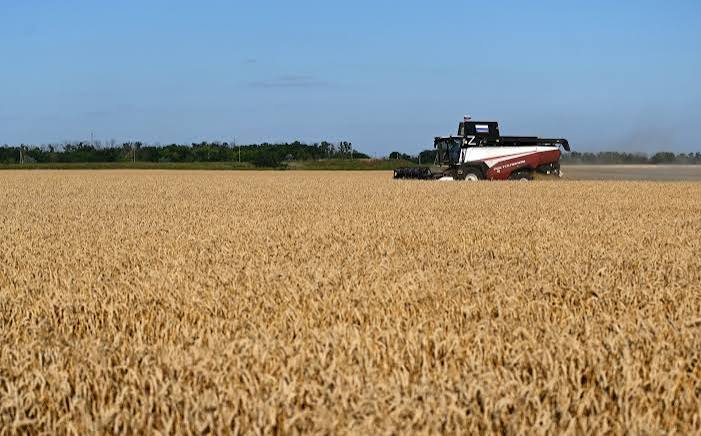
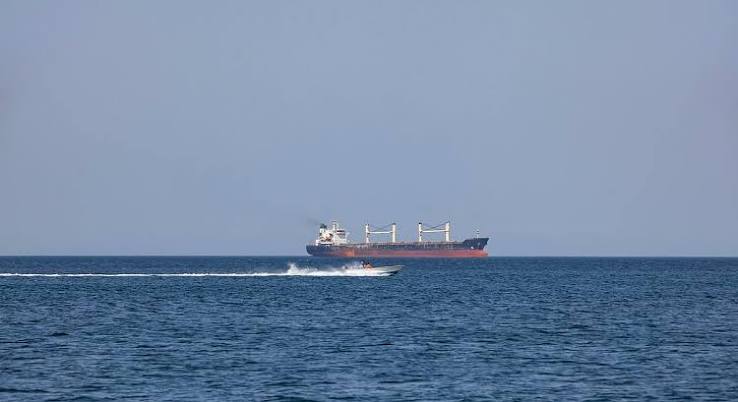
The downward revision reflects weaker expectations for wheat and maize exports, with logistical constraints and disruptions affecting important shipping routes contributing to uncertainty. The Black Sea region, a major supplier of grains to international markets, remains particularly significant because transportation difficulties can affect export volumes, delivery schedules and the cost of grain shipments.
The outlook illustrates an important feature of global agriculture: strong production does not necessarily translate into equally strong international trade. Shipping capacity, transportation infrastructure, export availability and trade policies all influence how efficiently grain reaches importing countries.
Wheat and Maize Trade Face Challenges
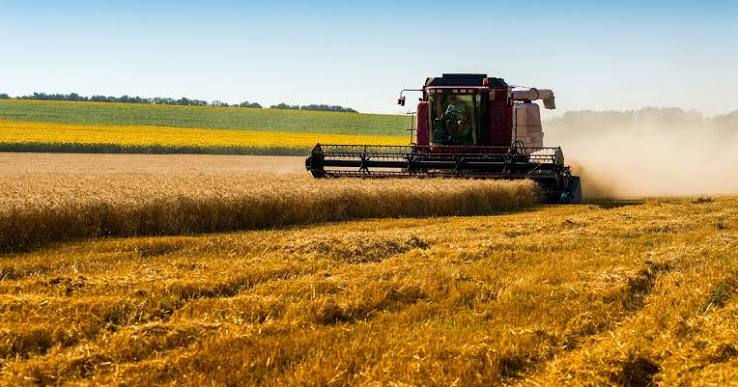
Wheat and maize are among the world’s most widely traded agricultural commodities. Wheat is a staple food in many countries, while maize is essential for livestock feed, food processing and several industrial applications.
Changes in their international trade volumes can affect farmers, grain traders, food manufacturers and importing governments. When exports become more difficult or expensive, buyers may need to reconsider procurement schedules, diversify suppliers or increase purchases from alternative markets.
The projected decline in global cereal trade suggests that international grain flows could face greater constraints during the 2026–27 season. However, the overall impact will depend on production outcomes, exportable surpluses, demand conditions and developments in transportation networks.
Black Sea Shipping Constraints Add Uncertainty
The Black Sea region plays a major role in global grain exports, particularly through shipments originating from Russia and Ukraine. Disruptions to shipping routes and export infrastructure can complicate the movement of wheat and maize to international buyers.
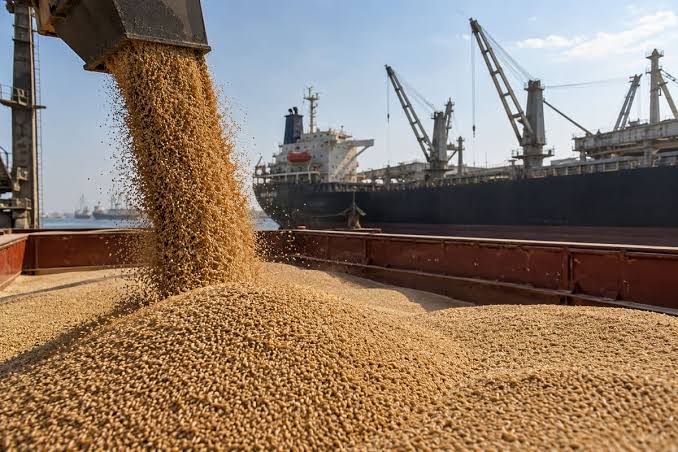
When established transportation routes become less accessible, exporters may need to rely on alternative ports, land-based corridors or other logistics arrangements. These alternatives can involve additional handling, longer delivery times and higher transportation expenses.
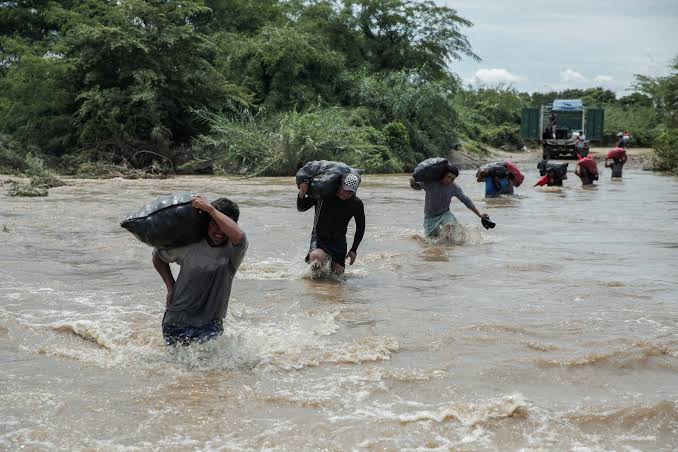
Limited alternative shipping capacity can further restrict the volume of grain that exporters are able to deliver within a given period. Such constraints may affect trade even when sufficient grain is available at the production level.
For importing countries, delays and higher freight costs can increase the final cost of procurement. The effect may be particularly significant for economies that depend heavily on imported cereals to meet domestic food and feed requirements.
Why Global Production and Trade Can Move Differently
Agricultural production and international trade measure different aspects of the grain market. Production reflects the volume harvested, while trade represents the quantities crossing national borders.
A country may produce a large cereal harvest but export less if domestic consumption increases, export policies change or transportation bottlenecks restrict shipments. Similarly, strong global production does not guarantee that grain will be available at affordable prices in every importing market.
Storage capacity, port infrastructure, vessel availability and access to financing also influence the movement of agricultural commodities.
These factors make logistics an important component of global food security, alongside crop yields and harvested volumes.
Implications for Importing Countries and Farmers
A reduction in international cereal trade could require importing countries to review their supply strategies. Diversifying suppliers, improving grain storage and monitoring international market conditions can help governments and businesses manage potential disruptions.
Food-processing companies and livestock producers may also need to account for changes in grain availability and transportation expenses when planning purchases.
For farmers, the market implications are less straightforward. Reduced export availability can support prices in some markets if demand remains strong, but higher logistics costs and trade restrictions can also limit market access. Actual farm-gate prices will depend on local supply, demand, domestic policies and transportation expenses.
Outlook for the 2026–27 Cereal Market
FAO’s reported forecast of 505.8 million tonnes points to a contraction in global cereal trade compared with the record level projected for 2025–26. The expected decline highlights the importance of reliable shipping routes and efficient logistics in maintaining international agricultural supply chains.
Developments in Black Sea transportation, wheat and maize export availability, and demand from major importing countries will remain important indicators to watch throughout the season.
Strengthening trade infrastructure, improving market transparency and diversifying supply channels can help reduce the effects of logistical bottlenecks and support more reliable access to essential cereals.


 By