Global food prices continued to rise in September 2026, reaching their highest level since 2022, according to the latest figures attributed to the Food and Agriculture Organization of the United Nations (FAO). Increasing prices of cereals, sugar and vegetable oils contributed to the upward movement, while weather-related uncertainties and transportation disruptions added pressure to international agricultural markets.
The reported FAO Food Price Index averaged 136.0 points in September, marking a 1.5% increase compared with August and a 5.8% rise from the same month last year. The increase highlights the continuing challenges facing global food markets and raises concerns about the affordability of essential food products for consumers, particularly in import-dependent countries.
Cereal Prices Add to Market Pressure
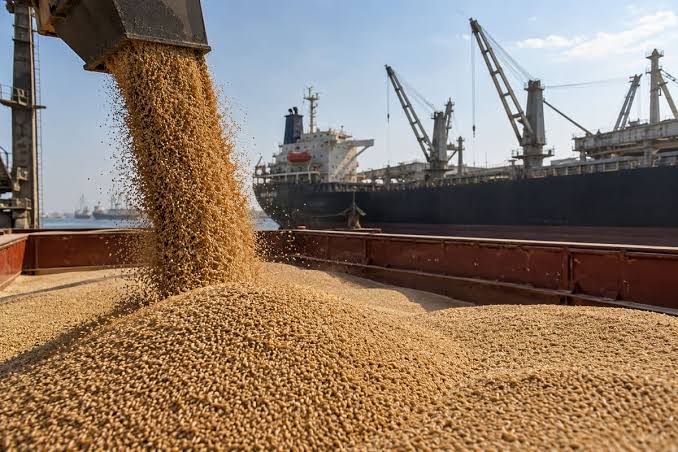
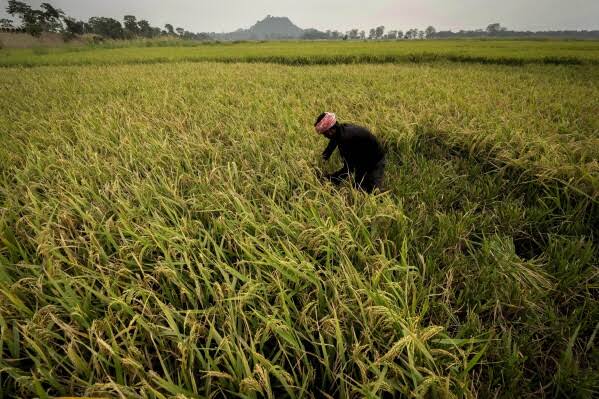
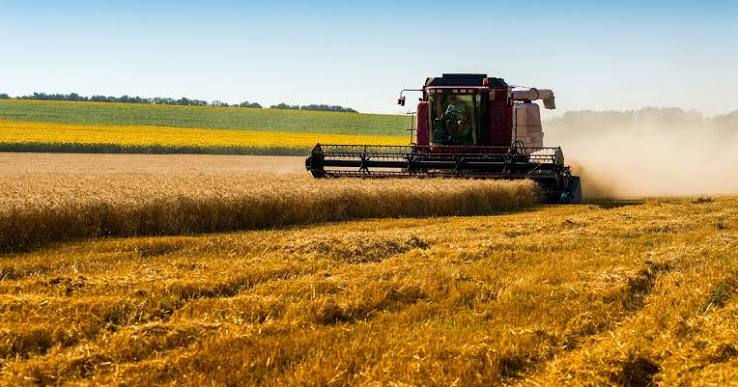
Cereals remain a critical component of the global food supply, providing staple foods for billions of people and serving as a major input for the livestock and food-processing industries. Changes in international grain prices can therefore influence food costs across multiple sectors.
Market movements in wheat, maize and other major cereals are affected by several factors, including harvest conditions, export availability, weather patterns and demand from importing countries. When production prospects become uncertain or supplies are restricted, prices may increase as buyers compete to secure sufficient quantities.
Higher cereal prices can also raise the cost of animal feed, potentially increasing expenses for poultry, dairy and meat producers. These additional costs may eventually be reflected in retail prices, depending on domestic market conditions and supply-chain efficiency.
Sugar and Vegetable Oils Contribute to the Increase
Sugar and vegetable oils were also identified as contributors to the September price increase. Their international prices can respond to changes in crop production, processing capacity, energy costs and export availability.
Sugar markets are particularly sensitive to weather conditions in major producing countries. Drought, excessive rainfall or other unfavorable conditions can affect sugarcane and sugar beet yields, influencing the volume available for domestic consumption and international trade.
Vegetable oil prices are influenced by supplies of palm oil, soybean oil, sunflower oil and rapeseed oil. Production changes in major exporting countries, biofuel demand and transportation costs can all affect market prices. Since vegetable oils are widely used in household cooking and food manufacturing, sustained increases can place additional pressure on consumer budgets.
Transportation Disruptions and Weather Risks
International shipping disruptions have become an important concern for agricultural commodity markets. Delays along major trade routes can increase freight costs, insurance expenses and delivery times, making imported food and agricultural inputs more expensive.
Weather uncertainty presents another significant challenge. Extreme heat, droughts, floods and irregular rainfall can reduce crop yields, disrupt planting schedules and affect the quality of agricultural produce. The impact depends on the location, duration and severity of these events, as well as the availability of irrigation and other risk-management measures.
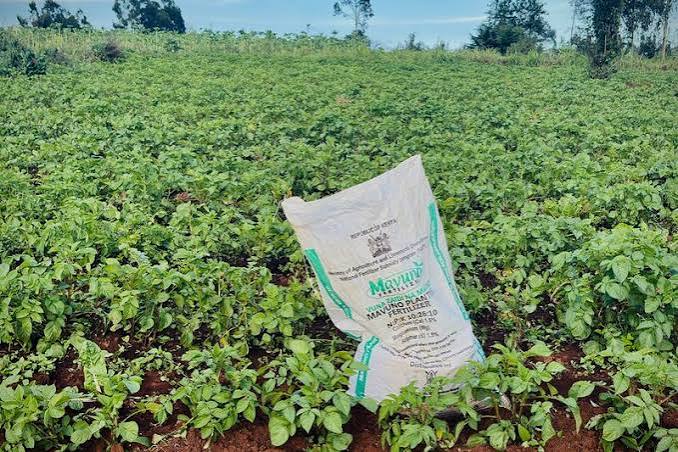
Higher transportation and energy costs can also increase the expenses associated with fertilizer production, farm machinery, storage and food distribution. These pressures may affect farmers’ profitability and the final prices paid by consumers.
Implications for Developing Countries
Rising international food prices can create particular difficulties for countries that depend heavily on imported cereals, edible oils or other essential commodities. Low-income households are especially vulnerable because food accounts for a substantial share of their total expenditure.
Governments may need to monitor domestic supplies, strengthen distribution systems and maintain access to essential food products. Improving storage infrastructure, reducing post-harvest losses, diversifying import sources and supporting climate-resilient agriculture can help limit exposure to external market shocks.
For farmers, predictable access to agricultural inputs, efficient logistics and reliable market information are important for managing production costs and making informed cropping decisions.
Outlook for Global Agriculture
The September increase underlines the close relationship between agricultural production, international trade, weather conditions and consumer prices. Although the Food Price Index provides an important indicator of global market trends, its movement does not automatically translate into identical price changes in every country. Domestic harvests, exchange rates, government policies and distribution costs also influence local food inflation.
Continued monitoring of crop conditions, commodity supplies and transportation developments will be essential in the coming months. Strengthening agricultural resilience and improving the efficiency of food supply chains will remain important priorities for governments, businesses and farming communities.


 By