Concerns over disruptions to international trade and their potential impact on food security and agricultural livelihoods have gained attention following a meeting of G20 trade ministers in Milwaukee, held on September 30 and October 1, 2026. According to a report published by the Agricultural Market Information System (AMIS) on October 15, the ministers highlighted how coercive trade actions can interfere with agricultural supply chains and create risks for farmers, businesses and food-importing countries.
The discussions underscore the importance of predictable trade policies, reliable access to essential agricultural inputs and the smooth functioning of international food markets. Sudden changes in trade conditions can affect the movement of cereals, fertilizers and other agricultural commodities, potentially increasing costs and creating uncertainty for producers and consumers.
Agricultural trade connects farmers, input suppliers, processors, exporters and consumers across international markets. Disruptions at any stage can influence production decisions, commodity prices and the availability of essential food products.
Trade Uncertainty Creates Challenges for Agriculture
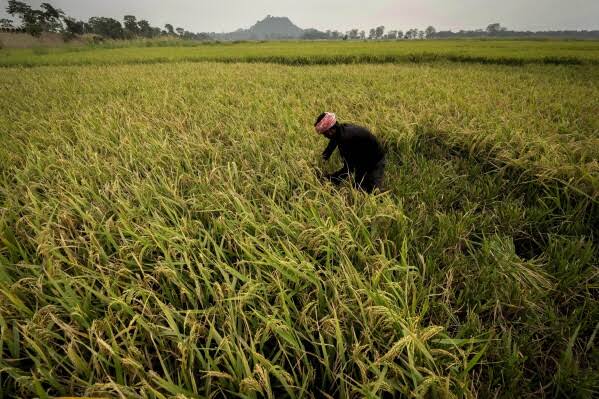
International agricultural markets depend on stable trading arrangements and efficient transportation networks. Farmers often make planting and investment decisions months before harvesting their crops, relying on expectations about input availability, production costs and market demand.
Unexpected trade restrictions or retaliatory measures can complicate these decisions. Exporting countries may encounter difficulties accessing overseas markets, while importing countries may need to find alternative suppliers at short notice.
For agricultural producers, uncertainty over export demand can affect the prices they receive for their crops. Where farmers depend heavily on international buyers, sudden restrictions may result in delayed sales, increased storage costs or reduced farm revenues.
Import-dependent economies face a different set of challenges. If supplies of essential commodities become restricted, buyers may have to pay more for available products or seek supplies from more distant markets.
Fertilizer Trade Is Critical to Crop Production
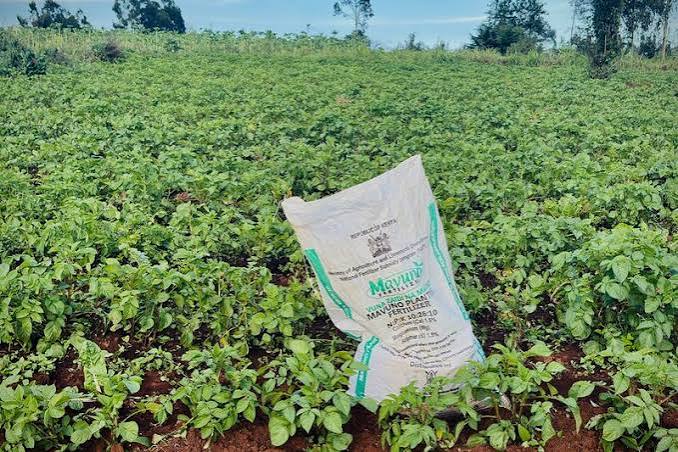
Fertilizers are among the agricultural inputs most sensitive to disruptions in international supply chains. Their production and distribution depend on energy supplies, raw materials, manufacturing facilities and transportation infrastructure.
Restrictions affecting fertilizer exports can raise procurement costs and make supplies less predictable for farmers. If inputs become expensive or difficult to obtain during critical planting periods, producers may adjust application rates or reconsider their cropping plans.
Such changes can affect crop productivity, particularly where farmers have limited access to alternative nutrient sources or affordable financing.
Maintaining dependable fertilizer supplies is therefore important for agricultural production, especially in countries that rely substantially on imported nutrients. Efficient distribution systems, diversified sourcing and responsible nutrient management can help reduce exposure to external market shocks.
Implications for Global Food Security
Food security depends on the availability, accessibility and affordability of nutritious food. Disruptions to international trade can affect each of these dimensions, although the consequences vary according to a country’s production capacity, import dependence, domestic inventories and purchasing power.
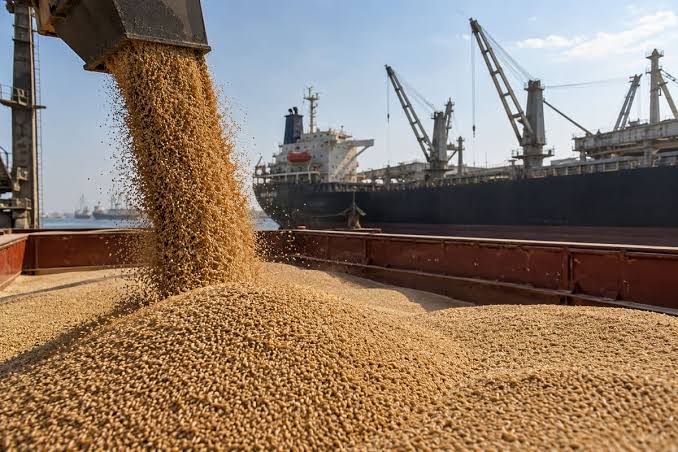
Restrictions on grain exports, for example, may reduce the volume available to importing countries and increase competition among buyers. Higher import expenses can place additional pressure on government budgets, food-processing businesses and household spending.
Low-income households are particularly vulnerable to increases in staple food prices because they generally have less flexibility to absorb additional living expenses.
However, trade policies can have different effects depending on their design and circumstances. Measures intended to address domestic shortages or other policy objectives may influence both domestic availability and international market conditions. Their broader consequences depend on the scale, duration and interaction of the measures involved.
Importance of Predictable Trade Policies
Clear and consistent trade rules can help businesses plan procurement, manage inventories and maintain supply agreements. Predictability is particularly valuable in agriculture because production cycles are seasonal and cannot always be adjusted quickly.
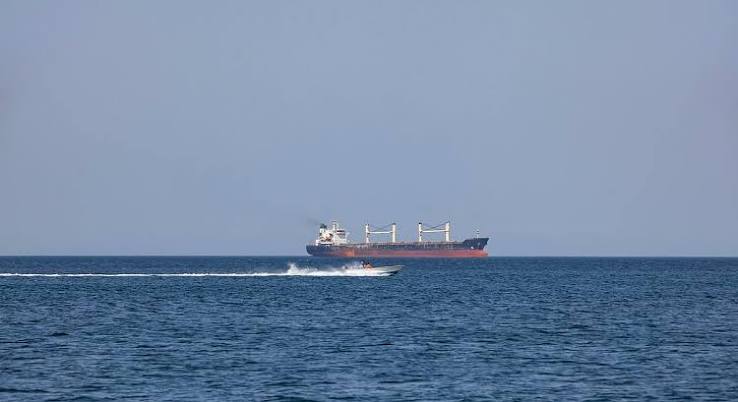
Governments can help strengthen supply-chain resilience by improving market transparency, diversifying sources of essential commodities and investing in transportation, storage and port infrastructure.
International cooperation can also support the exchange of reliable information about agricultural production, inventories and trade flows. Better information helps governments and market participants identify potential supply risks and prepare appropriate responses.
Outlook for Agricultural Markets
The G20 trade ministers’ discussions, as reported by AMIS, highlight the connection between international trade policies and agricultural stability. Disruptions affecting food and fertilizer markets can influence farmers’ earnings, production costs and consumers’ access to essential commodities.
For the agricultural sector, maintaining reliable supply chains and reducing unnecessary uncertainty will remain important priorities. Predictable trading arrangements, efficient logistics and diversified sourcing can help countries manage market volatility while supporting farmers and protecting food security.


 By