For a country where pulses are a staple protein for millions, India’s repeated announcements to achieve self-reliance in pulse production are both vital and ambitious. Yet, behind the big declarations and official missions, the story on the ground paints a more complicated and often frustrating picture — especially for the farmers growing these essential crops.
In the last year alone, wholesale prices of Toor Dal (Pigeon Pea) — one of India’s most important pulse crops — have crashed by a staggering 43%, causing distress to farmers in states like Maharashtra, Gujarat, Madhya Pradesh, and Telangana. While the government continues to raise the Minimum Support Price (MSP) every year, real market prices often remain far below these promises, leaving farmers with mounting losses and little motivation to expand cultivation.
So, the big question is — can India ever be truly self-reliant in pulses when the backbone of this dream — its farmers — are struggling to get fair prices?
Let’s unpack the reality behind the promises.
How Bad Is the Price Fall?
Official data from the Agmarknet portal tells its own story. As of 27 June 2024, the average wholesale price of Toor Dal stood at ₹11,213 per quintal. Fast forward exactly a year later, on 27 June 2025, and the average price had fallen sharply to just ₹6,422 per quintal — a difference of nearly 43%.
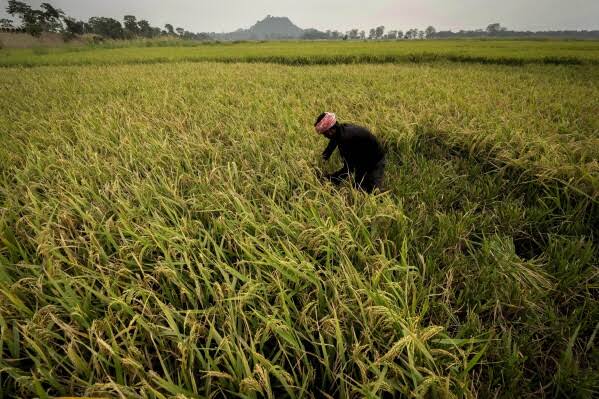
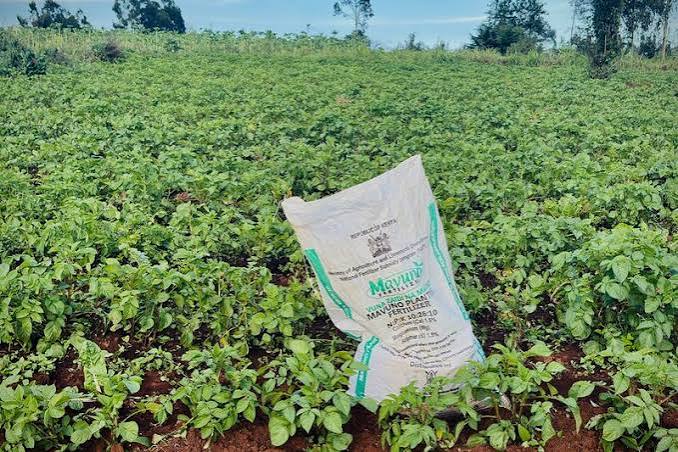
For farmers who invested time, effort, seeds, fertilizer, and labor into growing Toor, this steep drop means they are often forced to sell their harvest below production cost. And it’s not just Toor — other pulses like Chana (Bengal Gram), Moong, and Urad have also seen significant price drops in recent months.
What’s more concerning is that this price drop comes despite the government regularly increasing the MSP. For the 2024-25 Kharif Marketing Season, the MSP for Toor was fixed at ₹7,550 per quintal. Now, for the upcoming 2025-26 season, the government has announced a hike of ₹450, setting the new MSP at ₹8,000 per quintal.
But what’s the use of an MSP if farmers can’t actually get it?
MSP: Great on Paper, Patchy in Practice
India’s MSP system is supposed to be a safety net for farmers — a guaranteed price that ensures they don’t have to sell at a loss if market rates crash. But for pulses, the reality is quite different.
While the government does procure certain crops at MSP under the Price Support Scheme (PSS), the actual procurement share is very small compared to total production. For major crops like rice and wheat, procurement is significant and reliable. But for pulses like Toor, government agencies pick up only a fraction of the total harvest.
This means most farmers still have to depend on local mandis (markets) where prices are determined by supply, demand, middlemen, and imports — not by MSP promises. Many times, farmers are told their crop doesn’t meet quality standards due to moisture content, foreign particles, or size — excuses that allow traders to negotiate lower prices.
In simple terms, the MSP for pulses has become more of a symbolic figure than a dependable shield for farmers.
Cheap Imports: The Double-Edged Sword
Another major reason domestic farmers suffer is India’s liberal import policy for pulses.
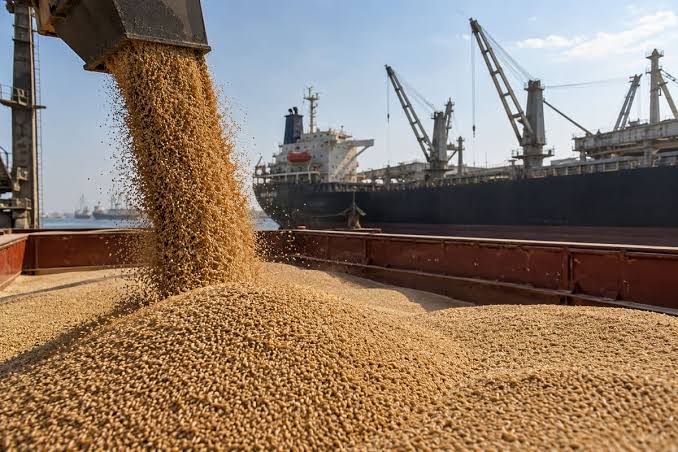
India is the world’s largest producer and importer of pulses. Every year, to control domestic retail prices and prevent sudden spikes in food inflation, the government imports huge quantities of various pulses — including Toor. These imports often come in duty-free or with very low tariffs.
For example, Canada’s yellow peas or Myanmar’s Toor often land in India at cheaper prices than what Indian farmers spend to grow them. While this benefits consumers in the short term by keeping prices low, it severely hits the domestic farmers’ income.
Low-priced imported pulses flood the market, dampening demand for local produce and pulling down prices further. The result? Farmers are squeezed between rising input costs and falling sale prices — a recipe for disinterest in growing pulses.
Impact on Sowing: A Shrinking Acreage
This year’s sowing data shows why farmers’ frustration is translating into smaller pulse acreage.
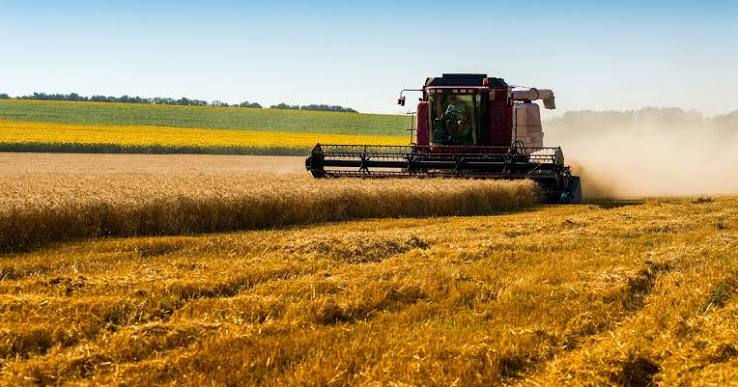
According to the Agriculture Ministry, the sowing of pulses picked up pace by the end of June 2025. However, the area under Toor cultivation is still trailing last year’s figures. Farmers are switching to other crops that guarantee quicker or more reliable returns.
If this trend continues, India’s total pulse production could actually decline — pushing the country back towards higher dependence on imports, the very opposite of the self-reliance goal.
Why Toor Is Critical for India
Toor Dal, also known as Arhar Dal, is the main source of protein for millions of vegetarian households. From simple dal-tadka in roadside dhabas to the daily meal in rural kitchens, Toor is an irreplaceable part of India’s food culture.
Despite this importance, India still has to import significant quantities to meet domestic demand. Whenever the domestic supply dips or prices shoot up, the government relies on imports from countries like Myanmar, Mozambique, Malawi, and Tanzania.
This over-reliance on imports leaves the country vulnerable to global price fluctuations, currency swings, and supply chain disruptions. The COVID-19 pandemic, for example, exposed how fragile this dependence can be.
Balancing Consumer and Farmer Interests
The government faces a tricky balancing act: on one side are millions of urban and rural consumers who want cheap pulses, and on the other side are farmers who need fair prices to keep growing them.
When domestic prices rise, the government rushes to allow duty-free imports to protect consumers. But when prices fall sharply, there is no equivalent safety net for the farmer. This imbalance discourages farmers from growing pulses, threatening the country’s long-term food security goals.
What Needs to Change
For India to truly become self-reliant in pulses, the following changes are urgently needed:
1. Strengthen MSP Procurement for Pulses
The government must expand its procurement network to buy a larger share of the pulse harvest directly at MSP. This requires more procurement centers, better infrastructure, and transparent systems that farmers can trust.
2. Improve Storage and Processing
One reason pulses often sell below MSP is lack of storage and processing facilities at the village level. Investment in modern warehouses, drying units, and pulse mills can help farmers store their harvest safely and sell when prices are better.
3. Rationalize Import Policy
Imports should act as a buffer only during actual domestic shortages — not as a permanent substitute. The government needs a balanced import policy that protects consumers but does not crush the domestic farmer’s market.
4. Promote High-Yield Varieties
Research institutes should promote improved pulse varieties that offer better yields, pest resistance, and shorter crop cycles. This helps farmers reduce risks and increase income.
5. Expand Farmer Awareness
Many farmers are not aware of government procurement drives or how to access MSP. Expanding farmer awareness and simplifying the procurement process will help more farmers benefit.
Will the New MSP Be Enough?
The government’s decision to increase the MSP for Toor to ₹8,000 per quintal for the 2025-26 season is a positive step on paper. But whether farmers actually get this price in the market remains to be seen.
Unless procurement agencies buy more pulses directly and import policy is recalibrated, the real market prices could once again stay far below the official MSP. Farmers cannot afford to wait for promises that do not translate to income in their bank accounts.
Where Do We Go From Here?
Achieving self-reliance in pulses is not impossible — India has done it before with other crops like wheat and rice. But the difference lies in consistent procurement, robust infrastructure, and political will to prioritize both consumers and producers.
With India’s growing population, changing food habits, and focus on nutrition, pulses will continue to be a crucial part of our food security. But unless farmers get fair prices, better access to markets, and protection from cheap imports, the dream of “Atmanirbhar Bharat” in pulses may remain just another slogan.
The next sowing season will show whether farmers trust the system enough to expand acreage — or whether the harsh lessons of last year’s crashing prices force them to look elsewhere.
In Conclusion
India’s pulse farmers stand at a crossroads. The country urgently needs to bridge the gap between policy announcements and ground realities. Otherwise, the self-reliance dream risks becoming a cycle of repeated announcements, sporadic procurement, cheap imports, and frustrated farmers.
If the government wants India to truly feed itself, it must ensure that the hands that feed the nation — its farmers — are themselves fed with fair returns and respect for their labor.
The humble Toor Dal, served steaming hot in kitchens from Mumbai to Manipur, deserves nothing less.


 By