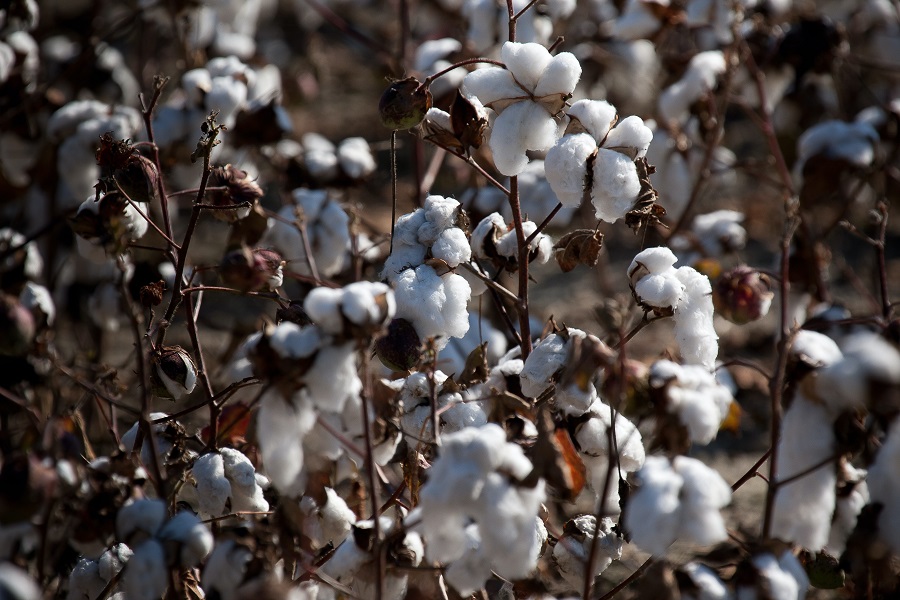
In a promising development for India’s cotton sector, the Akola High-Density Planting System (HDPS) has emerged as a game-changing innovation, dramatically improving cotton yields, reducing cultivation costs, and ushering in a new era of prosperity for farmers.
Developed and promoted by agricultural scientists at the Central Institute for Cotton Research (CICR), Nagpur, the Akola model has shown exceptional results across several pilot districts in Maharashtra, Telangana, and Gujarat increasing cotton productivity by up to 40% compared to conventional methods.
Key Features of the Akola HDPS Model:
- Closer spacing and uniform plant population, allowing more plants per acre
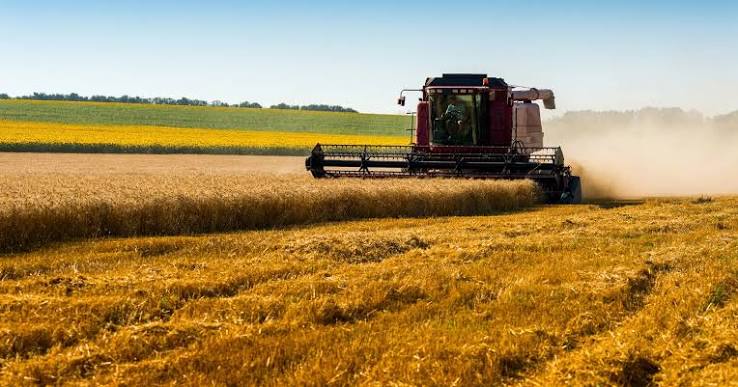
- Use of compact, early-maturing cotton varieties, suitable for machine harvesting
- Reduced input costs through fewer pesticide applications and efficient water use
- Higher profitability due to better yield and fiber quality
Farmer Success Stories Inspire Others
Farmers adopting the model in Akola and surrounding regions have reported bumper harvests and lower input expenses. “This method helped me double my output in the same field size while using less water and fertilizer,” says Ramdas Jadhav, a farmer from Barshitakli village, Akola district.
Encouraged by these results, several state governments have begun including the Akola HDPS model in their official cotton development programs, offering training, seed kits, and subsidies to promote faster adoption.
National Impact and Global Potential
Union Agriculture Minister Shri Shivraj Singh Chouhan recently lauded the Akola model as a “breakthrough for India’s cotton self-reliance”, aligning with the government’s broader vision of enhancing textile exports and doubling farmer incomes.
India is the world’s largest cotton producer, and with HDPS, it now has the tools to maximize output per hectare, making the country more competitive in the global market.
Scientific Backing and Future Outlook
The Indian Council of Agricultural Research (ICAR) has endorsed the Akola model for its scientific efficiency and sustainability. Trials are underway to expand the model to rainfed areas and integrate it with precision farming and AI-based crop monitoring.


 By
By