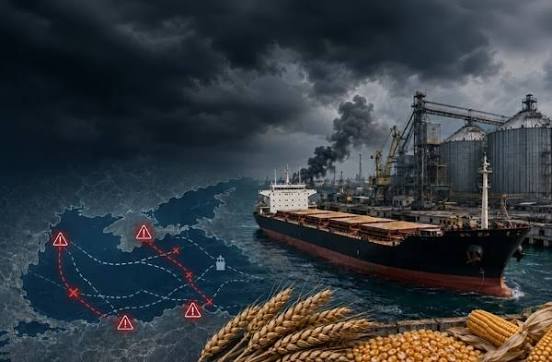
A new analysis from Rabobank suggests that global agriculture is entering a period where geopolitics, not just traditional supply-and-demand fundamentals, are increasingly dictating the direction of commodity markets. The report highlights a growing shift toward political alignment and regional trade blocs, reshaping how food and agricultural products move across borders.
For decades, agricultural markets largely depended on predictable factors such as production volumes, consumption trends, and stock levels. But according to Rabobank, this era of relative stability is giving way to a more complex environment where diplomatic relationships, strategic alliances, and trade restrictions play an ever-larger role in determining who buys what — and from whom.
This shift has major implications for producers, particularly in Europe, the United Kingdom, and other regions deeply integrated into global trade networks. As governments reassess supply chain vulnerabilities and pursue food security strategies, market access is becoming increasingly tied to political considerations. Exporters may find that traditional customers shift their purchasing habits due not to price or quality, but to changing geopolitical loyalties.
Recent years have seen a rise in regional trade blocs, preferential bilateral agreements, and strategic partnerships centered around food security. At the same time, shifting alliances have led to export controls, sanctions, and regulatory barriers that can alter trade flows overnight. Rabobank notes that such developments are likely to become more common through 2026 and beyond, adding a layer of unpredictability to global agriculture.
For farmers and agribusinesses, this geopolitical turn could introduce new volatility. Commodity pricing may fluctuate based on diplomatic tensions rather than crop conditions. Export strategies will need to account for political risk, not just market fundamentals. Producers may also face heightened competition as countries seek to diversify suppliers to reduce dependency on any single region.
Rabobank’s analysis suggests that navigating this new landscape will require a more sophisticated approach to risk management. Companies may need to build flexibility into contracts, expand market diversification, and monitor geopolitical signals as closely as weather forecasts. Governments, meanwhile, may need to strengthen trade resilience through infrastructure investment, strategic reserves, and updated trade policies.
While agricultural production remains vital, the forces shaping global markets are evolving. As geopolitics becomes increasingly intertwined with food and commodity flows, the sector will need to adapt swiftly to a world where policies and political relationships can shape outcomes just as powerfully as harvest volumes.

 By
By