Global food security is facing mounting pressure from climate-related threats, rising agricultural input costs and disruptions to international supply chains. The World Bank’s September 2026 Food Security Update reports that global food supplies remain broadly adequate, but commodity prices have increased since June, adding to concerns about affordability and agricultural production. <Cite refs={[“turn864389search0”]}/>
The latest update, based on data available as of September 16, highlights the need to strengthen climate resilience, protect fertilizer access and support vulnerable farming communities as multiple risks converge across the global food system.
Cereal Prices Rise Amid Production and Input-Cost Pressures
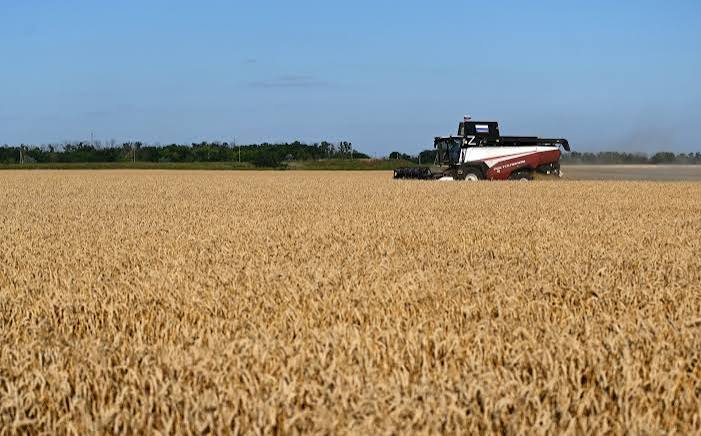
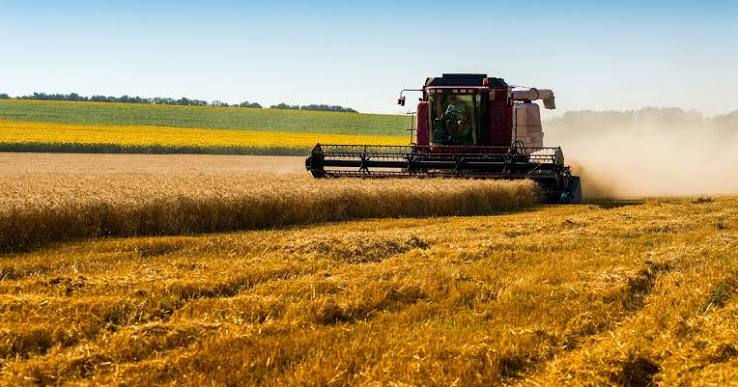
According to the World Bank, international commodity prices have risen significantly since June 2026. Cereal prices increased by 18%, while maize prices climbed 26% and wheat prices rose 22%.
Higher fertilizer costs and tighter production conditions are contributing to the pressure on agricultural markets. These developments are particularly important for farmers, who face increasing expenses for crop nutrition, fuel, irrigation and transportation.
Rising production costs can reduce farm profitability and influence planting decisions. Farmers with limited access to credit or affordable inputs may be forced to reduce fertilizer application, potentially affecting yields in subsequent harvests. Higher commodity prices can also raise food costs for consumers, particularly in countries that depend heavily on imports.
El Niño Raises Concerns Over Global Crop Production
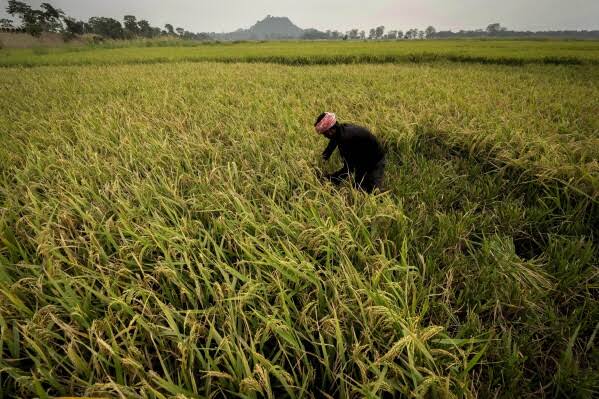
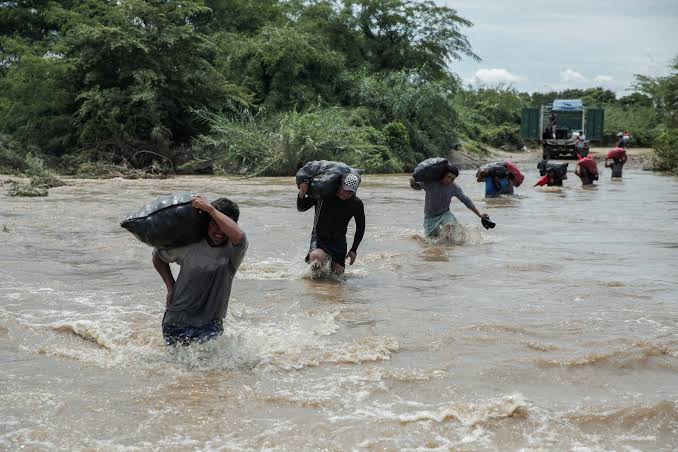
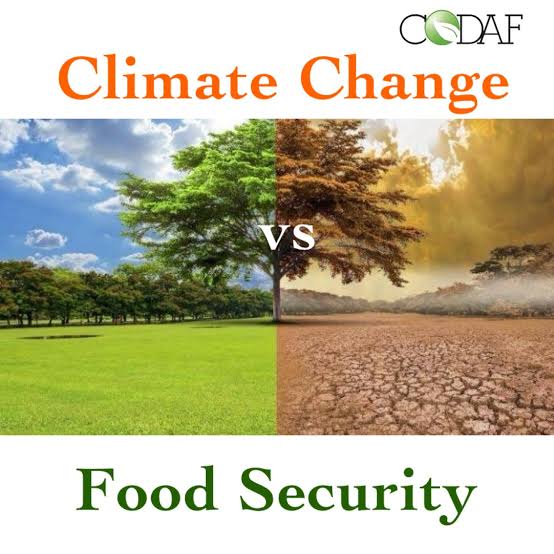
Climate risks are adding another layer of uncertainty. The World Bank update notes that El Niño conditions are expected to strengthen through late 2026 and persist into early 2027, increasing the likelihood of irregular rainfall, extreme heat, drought and flooding in different regions. <Cite refs={[“turn864389search0”]}/>
The effects will vary according to local weather patterns, crop calendars and the ability of governments and farmers to respond. Changes in rainfall can affect planting schedules, soil moisture, irrigation requirements and crop development. Extreme weather can also disrupt harvesting, storage and the transportation of agricultural commodities.
For agricultural economies, timely weather forecasts, climate-informed crop planning, efficient irrigation and access to suitable seeds will be important tools for reducing production risks.
Fertilizer Supply Chains Become a Strategic Priority
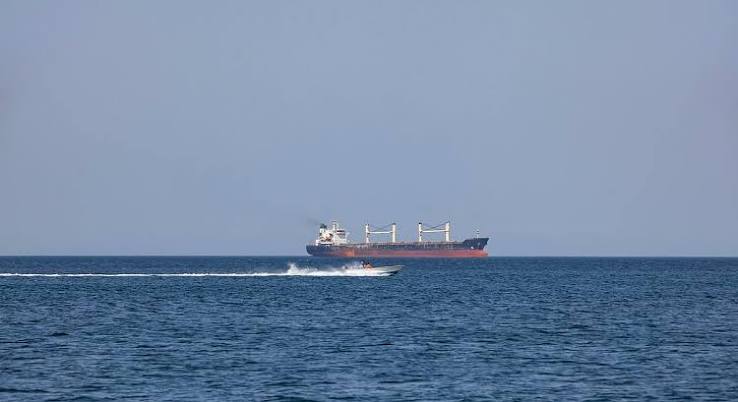
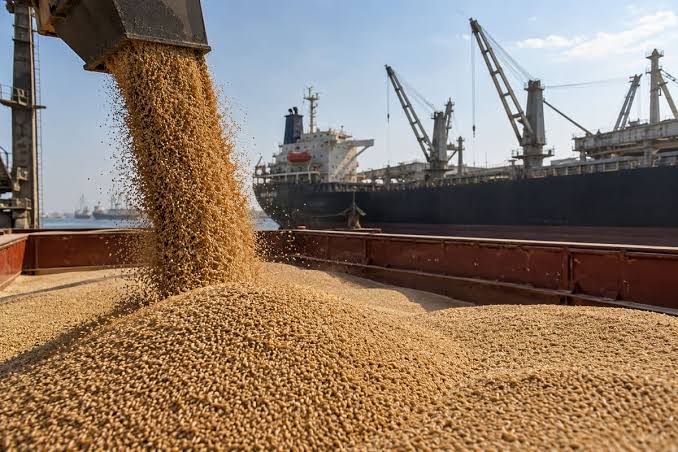
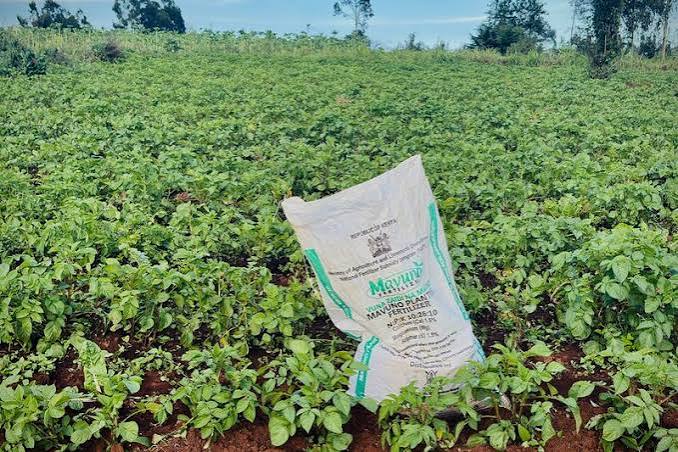
Reliable access to fertilizer remains central to food production. Disruptions to major shipping routes can delay deliveries and increase the cost of fertilizer, fuel and other agricultural inputs. The World Food Programme has warned that disruptions affecting key trade corridors can have consequences for farmers and consumers far beyond the regions where the disruptions occur. <Cite refs={[“turn864389search4”]}/>
In August 2026, the World Bank Group and other multilateral development institutions also called for stronger fertilizer supply chains, better market monitoring, investment in storage and transport infrastructure, and more efficient fertilizer use. <Cite refs={[“turn864389search3”]}/>
Measures such as soil testing, balanced nutrient management, improved logistics and diversified fertilizer sources could help reduce farmers’ exposure to price volatility and supply interruptions.
Food Insecurity Remains Severe in Vulnerable Regions
The World Bank estimates that approximately 62 million people in Eastern and Southern Africa need assistance. Critical situations persist in Somalia, South Sudan and Sudan, where serious food-security concerns remain. <Cite refs={[“turn864389search0”]}/>
Food inflation is also placing pressure on household purchasing power. The update indicates that real food prices outpaced headline inflation in around 22% of the 150 countries analysed in the latest quarterly data.
When food becomes less affordable, low-income households are often forced to reduce dietary diversity or cut spending on other essential needs. Smallholder farmers can face a double burden when their own production costs rise while household food expenses increase.
Outlook: Building More Resilient Food Systems
The outlook for global food security will depend on weather conditions, trade flows, input availability and the capacity of governments to respond quickly. Maintaining open trade channels, strengthening early-warning systems, supporting smallholder farmers and protecting vulnerable households will remain essential.
Investment in climate-smart agriculture, water management, resilient supply chains and targeted social protection can help limit the impact of future shocks.
The central challenge is no longer simply producing enough food. It is ensuring that farmers can produce it sustainably and that nutritious food remains accessible and affordable for vulnerable communities.


 By