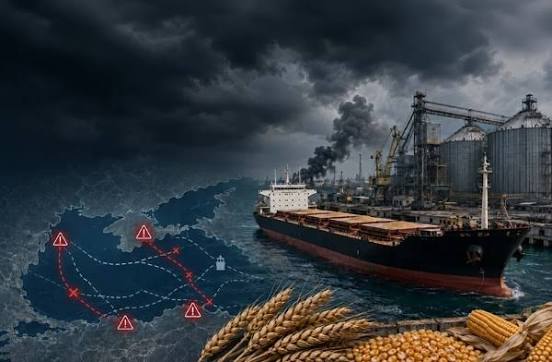
Disruptions to shipping through the Strait of Hormuz are raising concerns about global fertilizer supplies, agricultural production and food security, particularly in parts of Asia and Africa. The United Nations has warned that failure to establish reliable arrangements for fertilizer shipments through the strategic waterway could create serious risks for countries that depend on imported agricultural inputs.
Fertilizers are essential for maintaining crop productivity and meeting the food requirements of a growing global population. Any prolonged interruption in their supply can affect farmers’ access to essential nutrients, increase production expenses and potentially contribute to higher food prices.
The Strait of Hormuz is a critical maritime passage connecting the Persian Gulf with international shipping routes. Disruptions in this corridor can affect the movement of energy products and agricultural inputs, creating uncertainty across global supply chains.
Why the Strait of Hormuz Matters to Agriculture
The Middle East plays a significant role in international fertilizer and energy markets. The region is an important source of natural gas and fertilizer products, while energy supplies are essential for manufacturing several nitrogen-based fertilizers, including ammonia and urea.
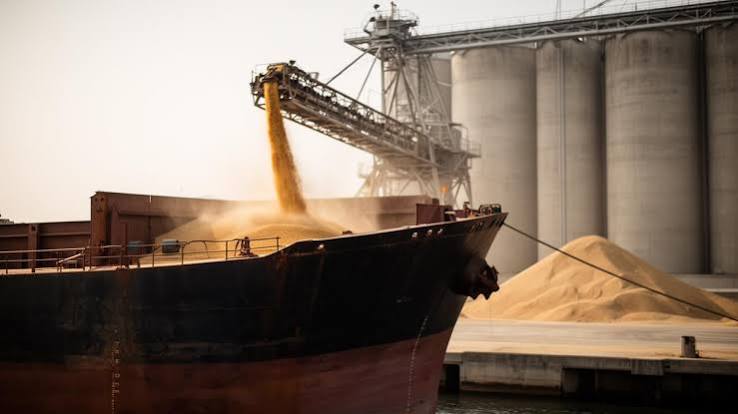
Restrictions or delays in shipping can reduce the availability of these products in international markets. Even when supplies remain available, higher freight costs, insurance premiums and longer delivery times can increase the final price paid by importers.
Countries that rely heavily on imported fertilizers may be particularly vulnerable. If deliveries are delayed during critical agricultural periods, farmers could face difficulties obtaining the nutrients required for timely sowing and crop development.
Farmers Face Higher Production Costs
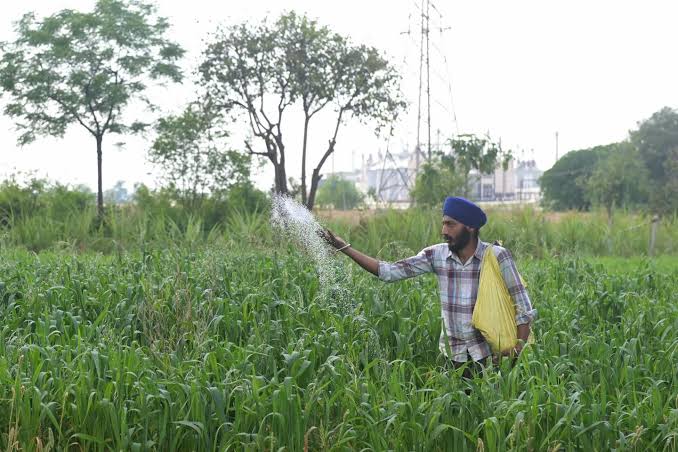
Fertilizer availability and affordability are directly linked to farm economics. Farmers require nitrogen, phosphorus and potassium to maintain soil fertility and support crop growth, although the quantity and type needed vary according to the crop, soil conditions and farming system.
When fertilizer prices rise, producers may respond by reducing application rates, switching products or postponing purchases. Such decisions can affect crop yields if nutrient management becomes inadequate.
Smallholder farmers are especially exposed to sudden increases in input costs because they often operate with limited working capital and have less bargaining power when purchasing agricultural supplies.
Higher fertilizer expenses can also reduce farm profitability, particularly when crop prices fail to increase sufficiently to compensate for rising production costs.
Potential Impact on Food Prices in Asia and Africa
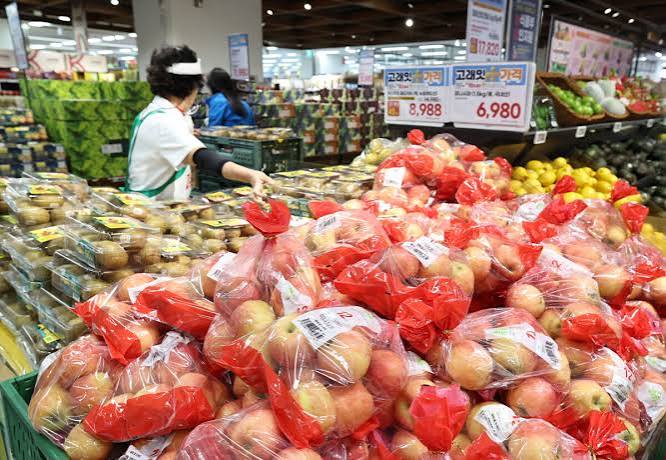
Parts of Asia and Africa could face significant challenges if fertilizer supplies remain disrupted. Countries dependent on imported fertilizers may experience higher procurement costs and increased pressure on agricultural budgets.
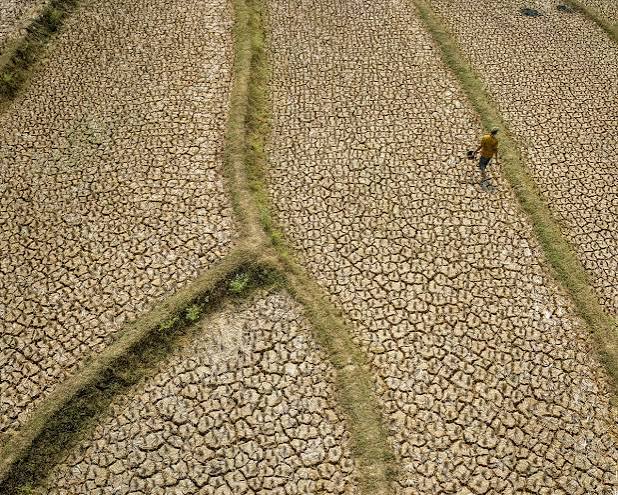
The effects could extend beyond fertilizer markets. Reduced fertilizer use, lower crop productivity or delayed planting may affect the availability of staple foods such as rice, wheat and maize. These developments could place additional pressure on food prices and household budgets.
However, the scale of the impact will depend on the duration of shipping disruptions, available fertilizer stocks, alternative supply routes, domestic production capacity and government responses.
Steps to Strengthen Fertilizer Security
Governments and agricultural organisations can reduce vulnerability by diversifying fertilizer import sources, improving strategic stock management and strengthening domestic production where economically feasible.
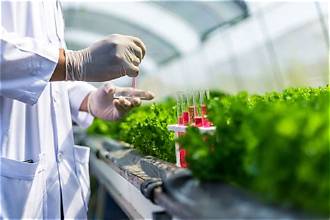
Farmers can also benefit from soil testing, balanced nutrient application, organic matter management and the efficient use of available fertilizers. These practices can improve nutrient-use efficiency, although they cannot fully replace essential nutrients where soils are deficient.
Better coordination among fertilizer manufacturers, shipping companies, importers and agricultural authorities will be important to maintaining reliable supplies during periods of disruption.
Outlook: Fertilizer Access Remains Critical
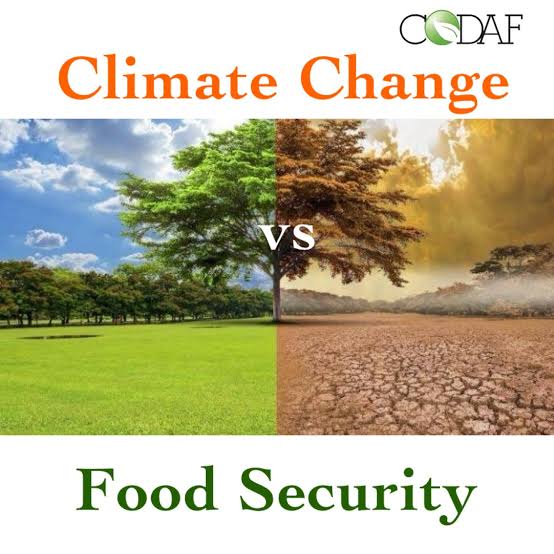
The situation highlights the close relationship between international shipping, fertilizer availability and global food security. Prolonged disruptions around the Strait of Hormuz could increase costs throughout the agricultural value chain, with the greatest pressure potentially falling on import-dependent countries and financially vulnerable farmers.
Ensuring predictable fertilizer deliveries, maintaining affordable access to agricultural inputs and strengthening supply-chain resilience will be crucial to protecting crop production and limiting the risk of further food-price increases.
For the global agriculture sector, secure fertilizer supplies are not simply a trade issue; they are a fundamental requirement for sustaining agricultural productivity and food security.


 By