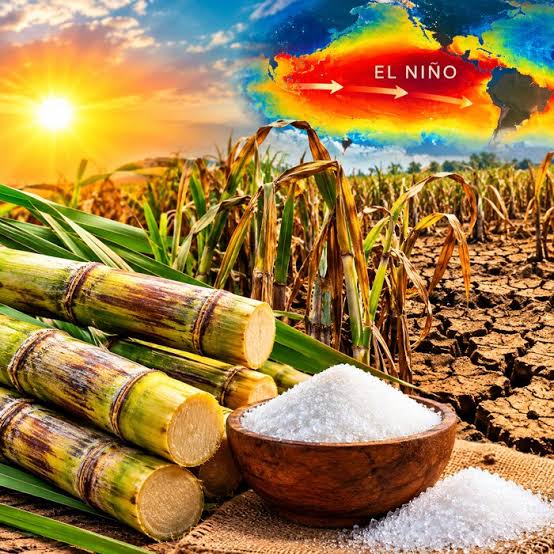
International sugar markets are facing renewed supply concerns as adverse weather conditions and the developing El Niño climate pattern threaten production prospects in several major sugar-producing regions. The Food and Agriculture Organization of the United Nations (FAO) reported that its Sugar Price Index increased by 6.1% in September 2026 compared with August, reaching 114.0 points, its highest level since April 2025. <Cite refs={[“turn162732search0″,”turn162732search1”]}/>
The increase marks the third consecutive monthly rise in the index and reflects expectations of tighter global sugar supplies during the 2026–27 marketing season. Changing rainfall patterns, lower production forecasts and harvesting disruptions are contributing to uncertainty across international sugar markets.
El Niño Raises Concerns Over Sugarcane Production
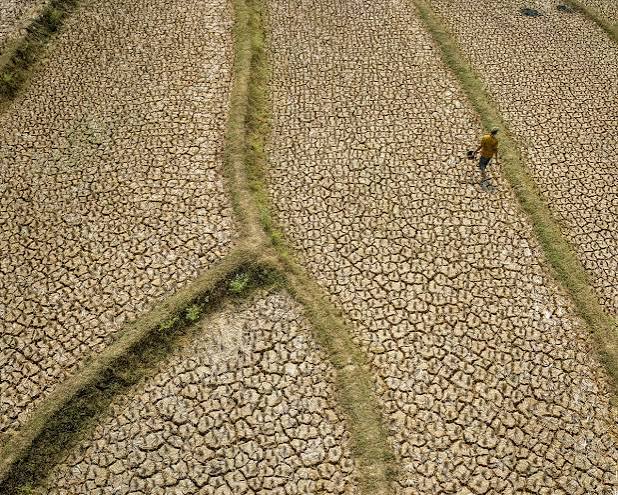
El Niño influences global weather patterns by changing rainfall distribution and temperature conditions across different regions. Depending on the location, its effects can include drought, excessive rainfall and prolonged heat.
These changes are important for sugarcane cultivation, which requires suitable temperatures and adequate moisture for healthy growth. Water shortages can restrict crop development, while excessive rainfall can delay harvesting and affect the movement of harvested cane to processing facilities.
The World Meteorological Organization has warned that the developing El Niño could become exceptionally strong during the November 2026–January 2027 period. Its potential agricultural impact will depend on how regional rainfall and temperature patterns evolve. <Cite refs={[“turn162732news17”]}/>
Brazil Faces Harvest and Production Challenges
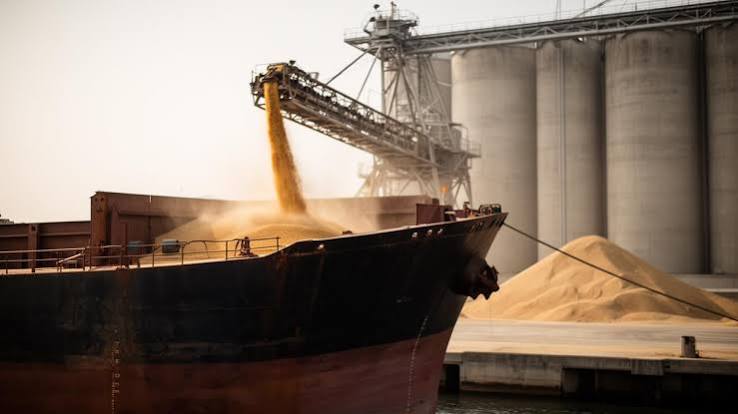
Brazil is the world’s leading sugar producer and exporter, making its production outlook particularly important for international markets.
According to FAO, heavy rainfall disrupted harvest progress in Brazil’s Centre-South region during September, adding upward pressure to international sugar prices. This region is central to Brazil’s sugarcane industry, supplying raw material for both sugar and ethanol production.
If wet conditions continue to interfere with harvesting and processing, the timing and availability of sugar supplies could be affected. However, the final impact will depend on subsequent weather, processing activity and the proportion of sugarcane allocated to sugar rather than ethanol.
India, Thailand and Europe Also Face Risks
Production concerns extend beyond Brazil. In India, below-normal rainfall and strengthening El Niño conditions have raised questions about sugarcane crop prospects. India is one of the world’s largest sugar producers and an important participant in international sugar trade.
Thailand is another significant exporter, and forecasts of lower production have contributed to expectations of tighter global supplies.
In the European Union, declining sugar beet acreage and unfavourable weather conditions are expected to reduce production prospects. These developments could limit the availability of sugar from several important producing regions at the same time.
Impact on Food Prices and Agricultural Businesses
Higher sugar prices can increase costs for food and beverage manufacturers, confectionery producers and other businesses that use sugar as a key ingredient.
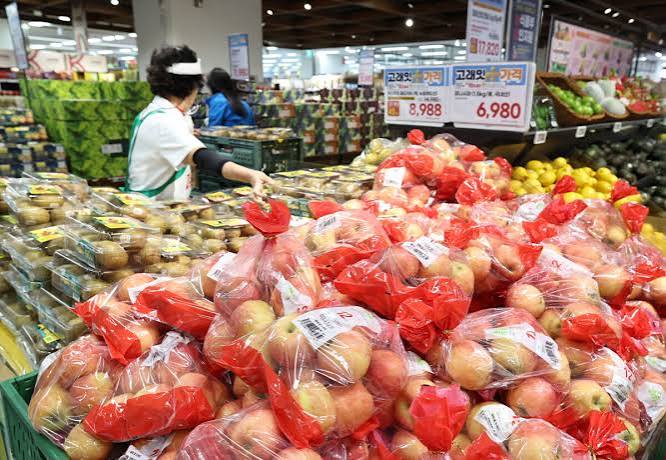
Consumers may eventually face higher prices for selected products if increased raw material and processing costs are passed through the supply chain. However, retail price changes will depend on local production, inventories, import costs, currency movements and government policies.
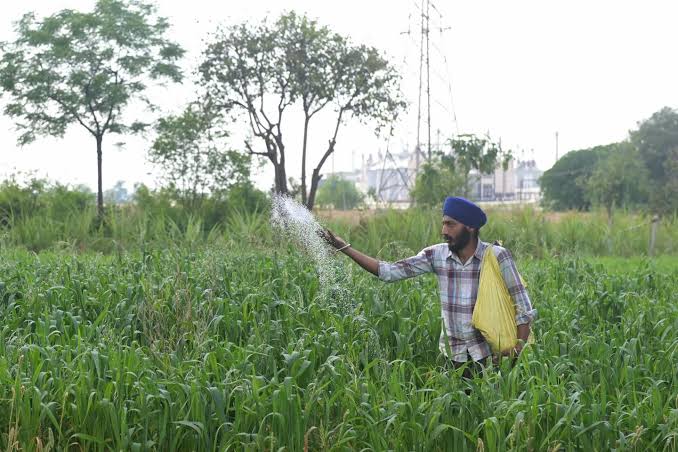
For sugarcane farmers, higher international prices may improve market opportunities, but the benefits depend on production costs, local procurement arrangements and the prices paid by mills.
Outlook for Global Sugar Markets
The direction of sugar prices will depend on production outcomes in major growing regions, the intensity of El Niño-related weather effects, export availability and global consumption.
FAO’s September figures indicate that weather risks are becoming an increasingly important factor in the global sugar supply outlook. Nevertheless, the extent of future price increases remains uncertain.
For the agriculture sector, monitoring crop conditions, improving water management and strengthening supply-chain resilience will be essential to managing the risks posed by extreme weather and potential sugar supply shortages.

 By