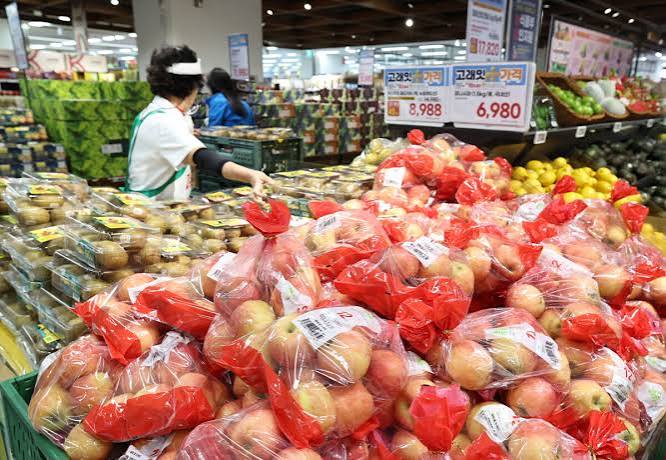

Global food prices climbed to their highest level since November 2022 in September 2026, as adverse weather conditions and international shipping disruptions added pressure to agricultural commodity markets. According to the Food and Agriculture Organization of the United Nations (FAO), the Food Price Index averaged 136.0 points, increasing by 1.5% from August and 5.8% compared with September 2025.
The latest figures, released on October 2, highlight growing challenges for global food supply chains, agricultural producers, food-importing countries and consumers. The increase was driven mainly by higher prices for cereals, vegetable oils and sugar, while meat prices declined and dairy prices remained broadly stable. FAO data.
Cereal Prices Rise Amid Trade Disruptions
Cereal markets recorded one of the strongest increases during September. The FAO Cereal Price Index rose by 5.1% from the previous month, standing 17.2% above its level a year earlier.
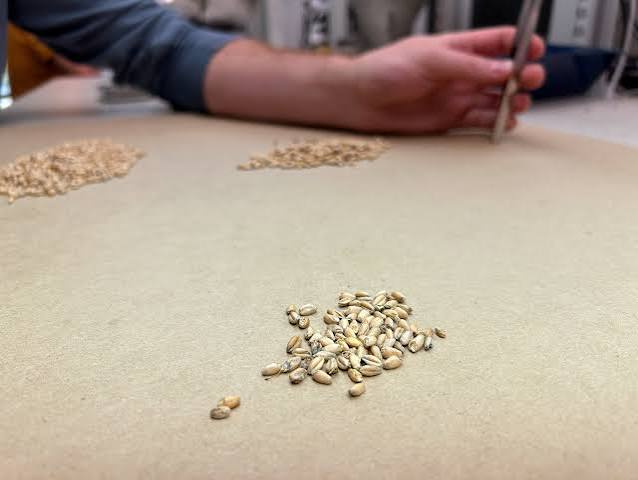
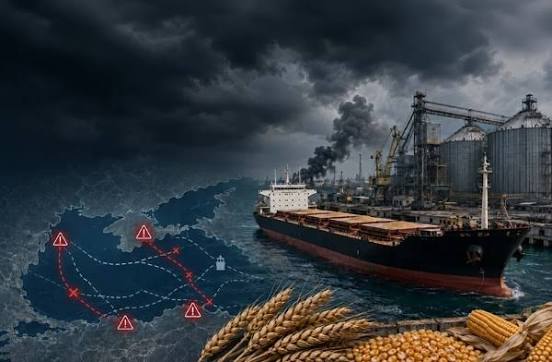
International wheat prices increased by 6.3%, supported by logistical constraints affecting shipments from the Black Sea region and dry weather in parts of North America ahead of winter wheat sowing. Global maize prices also rose by 5.6%, reflecting concerns over lower-than-expected yields in the United States, reduced export availability from Brazil and disruptions to Black Sea trade.
These developments could increase import costs for countries dependent on international grain supplies. Higher cereal prices may also affect livestock feed expenses, food processing costs and the profitability of agricultural businesses.
Sugar and Vegetable Oil Add to Price Pressure
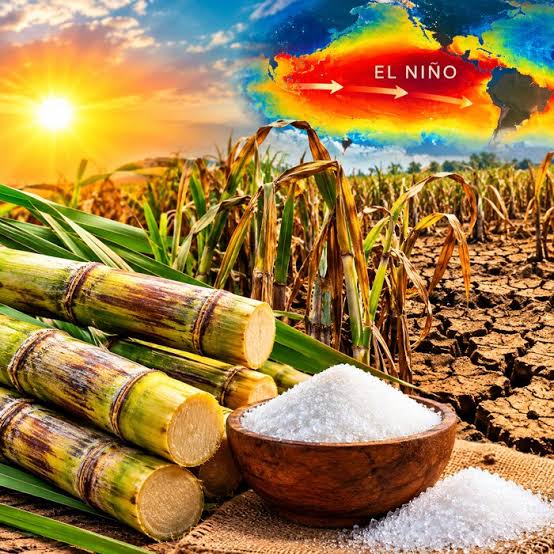
Sugar prices registered a particularly sharp increase, with the FAO Sugar Price Index rising by 6.1% in September. Concerns about production prospects in major producing regions, including Thailand, India and Brazil, contributed to market uncertainty. Adverse weather conditions and expectations of tighter supplies also influenced price movements.
Meanwhile, the FAO Vegetable Oil Price Index increased by 0.9% during the month. Higher palm oil prices, supported by strong international demand and concerns about production prospects in Southeast Asia, contributed to the rise.
For consumers, sustained increases in these commodities could raise the cost of cooking oils, processed foods and sugar-based products. Food manufacturers may also face higher raw material expenses.
Shipping and Climate Risks Threaten Supply Stability
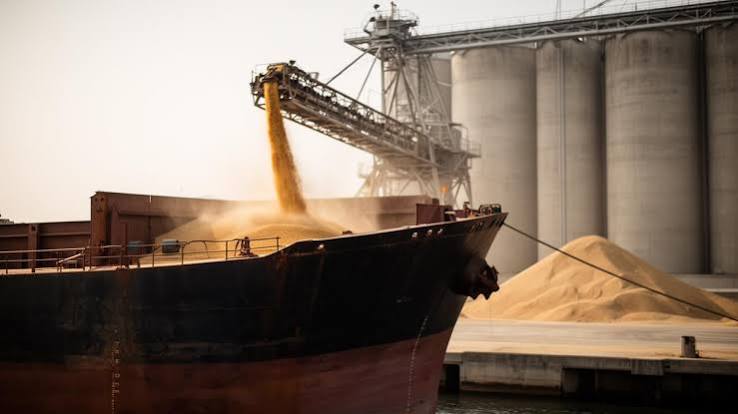
Transportation disruptions have become an important concern for agricultural commodity markets. Uncertainty surrounding shipping through the Strait of Hormuz and trade routes in the Black Sea has added pressure to freight, energy and supply-chain costs.
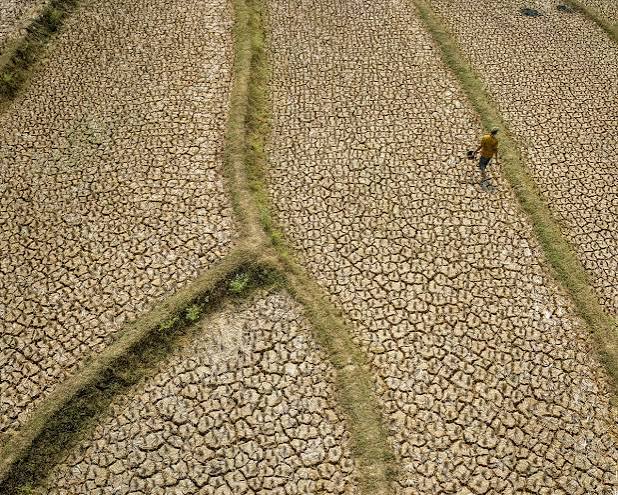
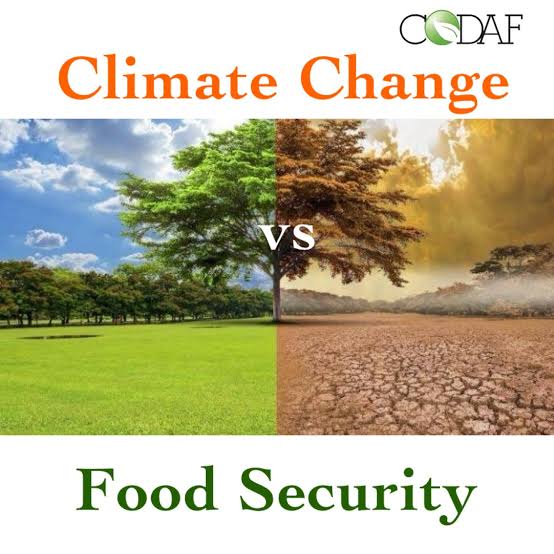
Weather-related risks are creating further uncertainty. Dry conditions and concerns about the potential effects of El Niño on agricultural production could influence crop yields and export availability in the months ahead.
However, international price movements do not automatically translate into identical increases in domestic retail prices. Exchange rates, local harvests, government policies, storage facilities and distribution costs all influence prices paid by consumers.
Implications for Farmers and Food Security
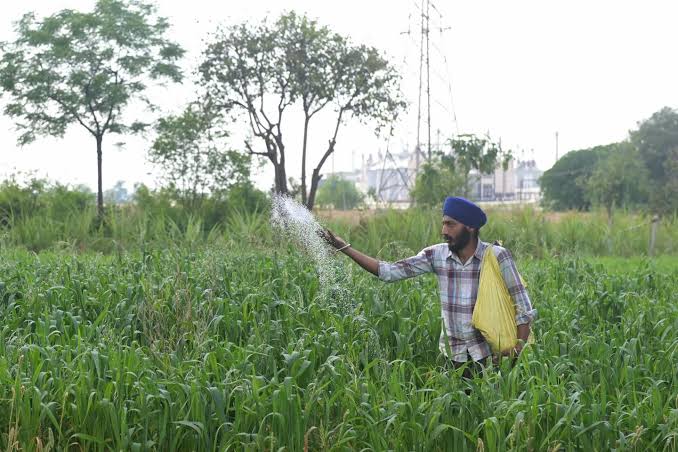
Higher international prices may create opportunities for farmers in exporting countries, but increased production costs can limit the benefits. Expenses related to fertilizers, fuel, irrigation, crop protection and transportation remain important factors in determining farm profitability.
For food-importing nations and low-income households, continued price increases could place additional pressure on purchasing power and national food-security programmes.
Strengthening domestic production, improving storage infrastructure, reducing post-harvest losses and diversifying import sources could help countries manage future market disruptions.
Global Markets Face an Uncertain Outlook
The September figures underline the vulnerability of global food markets to a combination of weather risks, geopolitical tensions and logistical constraints. Although the index remains below its record peak of March 2022, its latest increase signals renewed pressure on international food commodity prices.
Market participants and policymakers will closely monitor harvest conditions, export availability and transportation costs to assess the direction of prices in the coming months.
For the agricultural sector, the priority will be to strengthen supply-chain resilience, support productive and climate-resilient farming, and maintain reliable access to affordable food.


 By