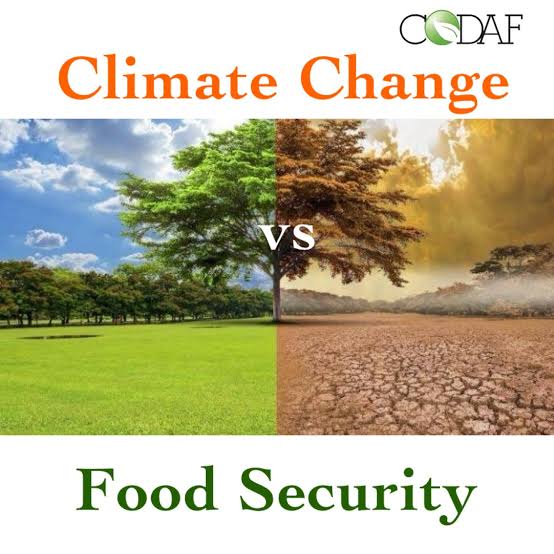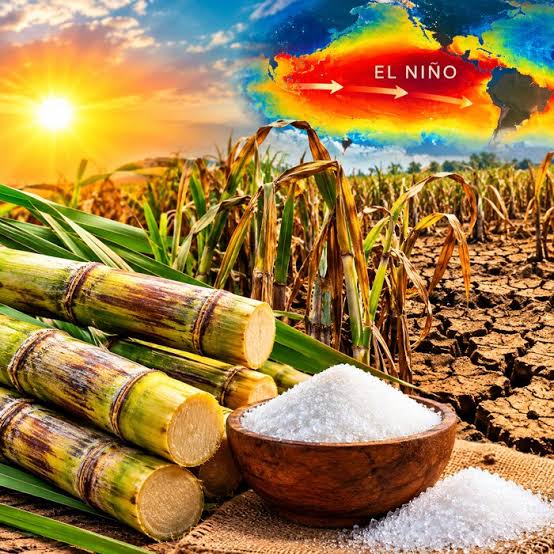
The developing El Niño climate phenomenon could become one of the strongest on record, raising concerns about agricultural production, water availability and global food security. On October 21, 2026, the World Meteorological Organization (WMO) warned that sea-surface temperatures in the central tropical Pacific could reach approximately 3.8°C above average during November 2026 to January 2027, with the warming expected to peak around December. <Cite refs={[“turn120749search0″,”turn120749search1”]}/>
The forecast signals potentially significant changes in rainfall and temperature patterns across several agricultural regions. Depending on location, these changes could increase the risk of drought, excessive rainfall, flooding and heat stress, creating challenges for farmers, livestock producers and food supply chains.
What Is El Niño?
El Niño is a naturally occurring climate phenomenon characterised by warmer-than-normal sea-surface temperatures in the central and eastern tropical Pacific Ocean. It influences atmospheric circulation and can alter rainfall and temperature patterns across different parts of the world.
The strength of its effects varies by region and season. Some areas experience below-normal rainfall, while others may receive excessive precipitation. Agricultural outcomes also depend on local soil conditions, irrigation facilities, crop calendars and other climate influences.
The WMO’s latest seasonal outlook indicates further intensification of the current event, highlighting the need for early preparation across climate-sensitive sectors. <Cite refs={[“turn120749search1″,”turn120749search5”]}/>
Drought Risks Could Affect Crop Production
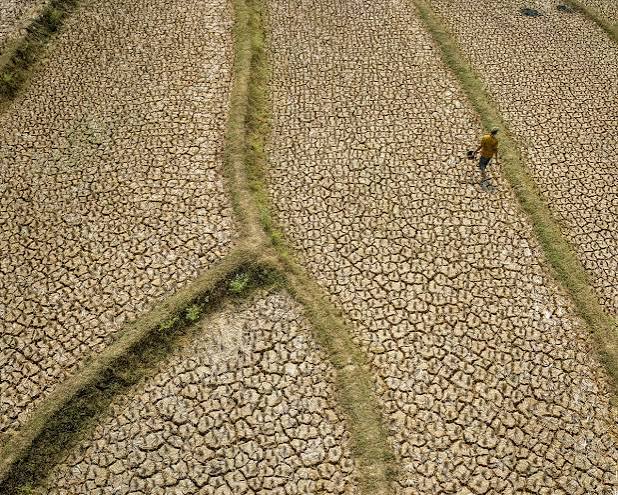
One of the major concerns for agriculture is the possibility of prolonged dry conditions in vulnerable regions. Insufficient rainfall can reduce soil moisture, restrict irrigation supplies and affect crop establishment and development.
In Southeast Asia, changes in seasonal rainfall could create challenges for rice production and other crops that depend on reliable water supplies. Reduced water availability may also affect livestock, horticulture and aquaculture.
Parts of Latin America could face agricultural difficulties where El Niño-related rainfall changes intensify existing drought conditions. Water shortages can reduce yields, increase irrigation costs and place pressure on farming communities.
In Africa, the effects are likely to vary across regions. Some areas could experience rainfall deficits, while others may face excessive precipitation. These contrasting conditions make regional forecasting essential for effective agricultural planning.
Flooding and Excessive Rainfall Present Additional Challenges
El Niño does not produce drought everywhere. In some locations, it can increase the likelihood of heavy rainfall and flooding.
Excessive precipitation can damage standing crops, delay planting and harvesting, cause soil erosion and increase post-harvest losses. Flooding may also damage rural roads, irrigation infrastructure, storage facilities and transportation networks.
Heavy rainfall and prolonged moisture can create favourable conditions for certain crop diseases, depending on local temperatures and crop growth stages.
Farmers may therefore need to prepare for both water scarcity and excess water, depending on their geographical location.
Implications for Global Food Prices
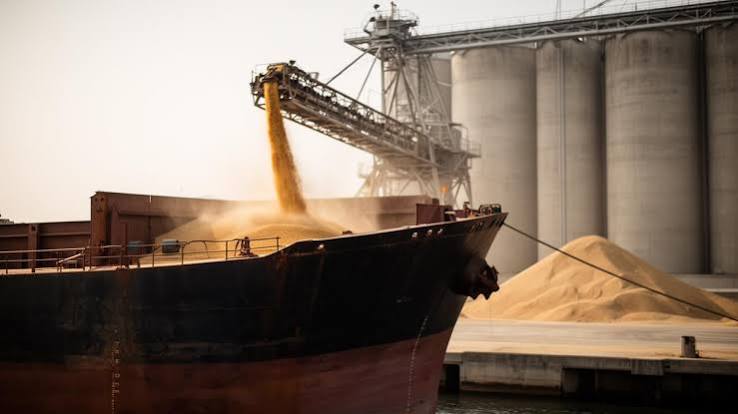
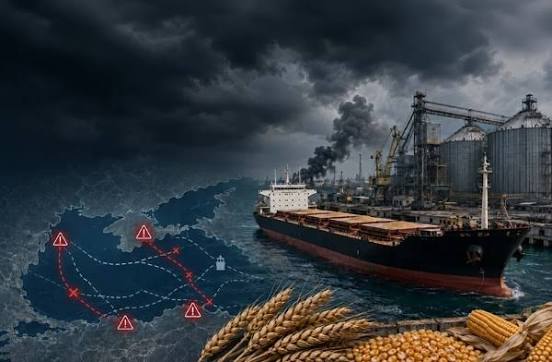
Weather-related production losses can influence international agricultural commodity markets, particularly when they affect major producing or exporting countries.
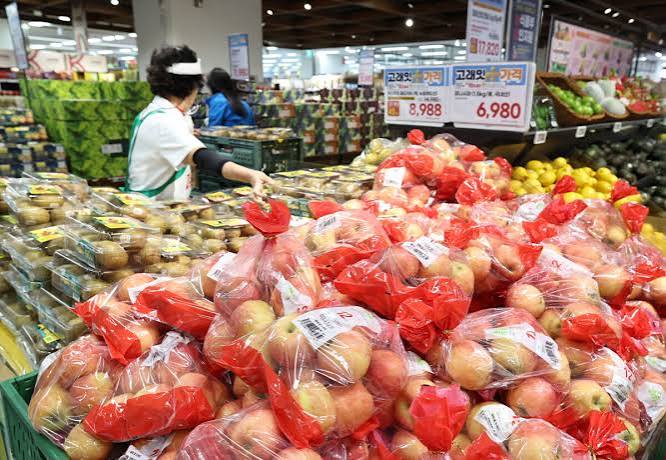
If cereal, oilseed or other staple crop production falls significantly in important growing regions, export availability could tighten and prices could become more volatile. However, the actual market impact will depend on global inventories, harvest results, demand and trade policies.
Countries that rely heavily on imported food may face additional challenges if weather disruptions coincide with higher transportation and agricultural input costs.
How Farmers and Governments Can Prepare
Early action can help reduce potential losses. Agricultural authorities should strengthen local weather advisories, monitor soil moisture and communicate crop-specific recommendations before critical farming operations.
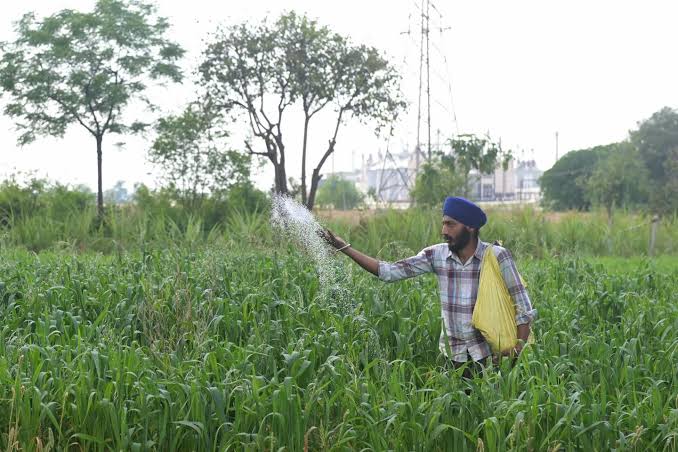
Farmers can consider adjusting planting schedules in accordance with local advisories, improving irrigation efficiency, maintaining drainage systems and selecting crop varieties suited to expected conditions.
Governments can also strengthen contingency planning, support water conservation, improve agricultural insurance access and monitor food stocks in vulnerable regions.
For India and other monsoon-dependent agricultural economies, local meteorological forecasts will be particularly important. The global El Niño outlook alone cannot determine the timing or distribution of rainfall in individual states or districts.
Outlook: Preparedness Will Be Critical
The WMO’s October 21 warning places the developing El Niño among the major climate risks to monitor as the world approaches the end of 2026 and the beginning of 2027. Its potential effects on rainfall, temperatures and water resources could have important consequences for agricultural production and food security.
Although the full impact remains dependent on regional weather patterns, advance planning can help farmers and governments reduce exposure to climate-related losses.
Strengthening climate-resilient agriculture, improving early-warning systems and managing water resources efficiently will be essential to protecting crop production and rural livelihoods in the months ahead.


 By