

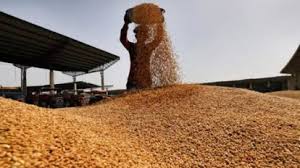
In a strategic move to revive its grain trade and strengthen its position in the global market, Russia has announced a significant cut in export taxes on key grains, including wheat, barley, and corn. The decision comes in response to a notable drop in export volumes over recent months, triggered by sluggish demand, shipping constraints, and rising global competition.
The Russian Ministry of Agriculture confirmed that the export duty on wheat has been reduced by nearly 30%, while levies on barley and corn have also been scaled back substantially. The revised tax rates came into effect this week and are aimed at making Russian grain more competitive on the international stage, especially in price-sensitive markets across Africa, the Middle East, and Asia.
“We are taking proactive steps to support our farmers and exporters while maintaining food security at home,” said Agriculture Minister Dmitry Patrushev. “Reducing export taxes will not only ease the financial pressure on producers but also help us regain momentum in global grain markets.”
Russia, one of the world’s top wheat exporters, has seen its grain exports decline significantly in the first half of 2025 due to a combination of weak overseas demand, geopolitical disruptions, and increasing stockpiles. The tax cuts are expected to encourage traders to release more grain into global markets, especially with a strong domestic harvest forecast for this year.
Market analysts view the move as a timely intervention that could shift export dynamics globally. With Russian wheat now becoming more affordable, import-dependent countries may turn away from costlier suppliers, thereby reshaping trade flows and increasing competition for U.S., Canadian, and European grain exports.
Grain traders in Moscow and ports along the Black Sea have already begun reporting renewed interest from buyers, particularly from Egypt, Bangladesh, and Turkey. Logistics firms also expect a pickup in cargo volumes in the coming weeks as the export pipelines begin to reopen.
Domestically, the Russian government has assured that sufficient buffer stocks will remain available to ensure food price stability, even as it liberalizes exports. Subsidies for transportation and storage have also been extended to ensure smooth supply chain operations.
Experts believe this policy shift signals Russia’s intent to remain a dominant player in the global grain market, particularly at a time when global food security concerns and weather-related disruptions continue to affect supply chains worldwide.
As global markets react to Russia’s move, the coming months could see increased grain trading activity and price corrections—offering both challenges and opportunities for importers and exporters alike.


 By












