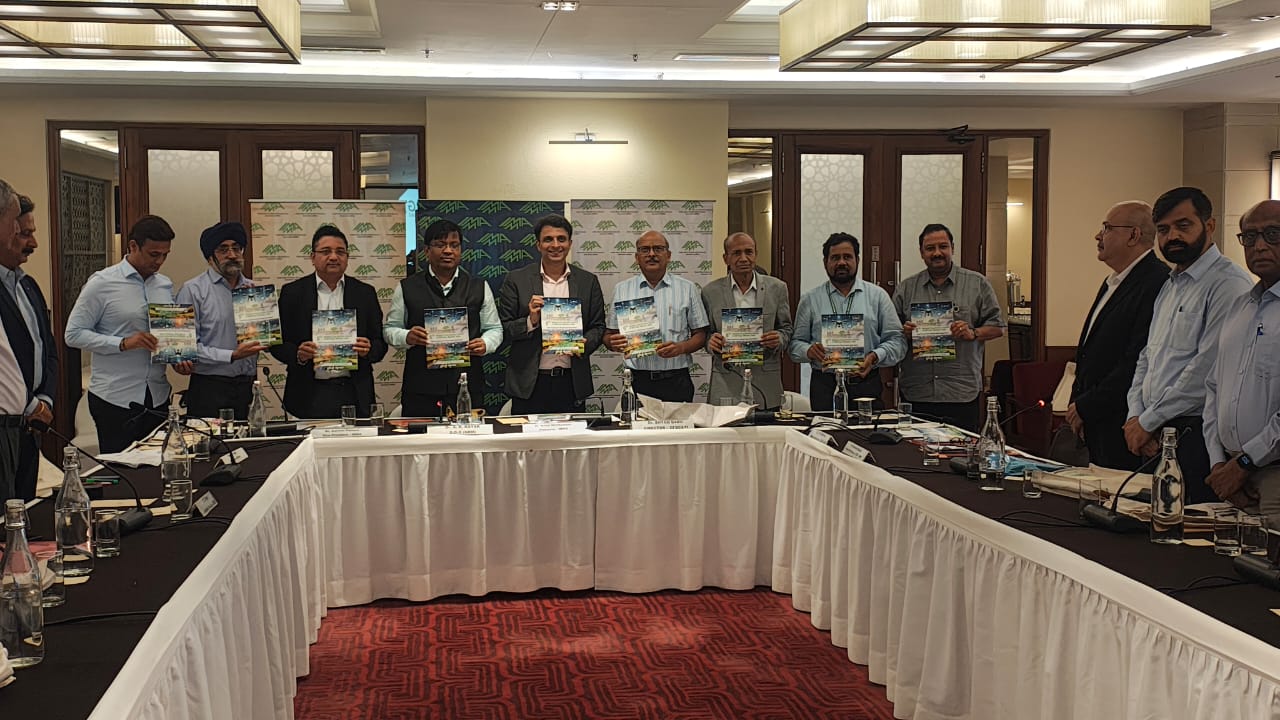
policymakers, regulators, and industry leaders to discuss critical reforms for India’s fast-evolving non-subsidized fertilizer sector.
Themed “Innovate, Regulate, Elevate: Shaping India’s Fertilizer Future,” the roundtable served as a key platform to address long-standing challenges in the micronutrient, biostimulant, and specialty fertilizer segments, which are increasingly vital for enhancing soil health, crop productivity, and sustainable farming practices.
Key Highlights of the Roundtable:
1. Overhauling Obsolete Fertilizer Grade Structures
Industry leaders flagged the continued reliance on outdated state-notified fertilizer grades, many of which date back to the 1990s, as a significant roadblock to innovation. IMMA proposed the introduction of a dynamic formulation system, allowing nutrient compositions to be adapted within scientifically defined central ranges. A unified digital submission portal was also suggested to streamline approvals and ensure transparency and traceability.
2. Tackling Counterfeit Fertilizers Head-On
To combat the growing issue of fake and substandard fertilizers harming farmer trust and crop yields, IMMA recommended a suite of voluntary anti-counterfeiting measures. These include QR code-enabled smart labeling, tamper-proof packaging, and digital inventory traceability. IMMA also committed to setting up a grievance redressal mechanism and supporting legal action against persistent offenders.
3. One Nation, One Licence: Simplifying Compliance
The event strongly advocated for the creation of a Central Fertilizer Licensing Portal to replace the current fragmented, state-level registration processes. By enabling a single-window approval system, companies could reduce compliance costs by up to ₹65 lakh annually and accelerate market access, further aligning with the government’s Digital India mission.
4. Addressing Gaps in Biostimulant Regulation
Although biostimulants have been included under the Fertiliser Control Order (FCO), IMMA highlighted the slow implementation at the state level. To bridge the gap, it proposed interim acceptance of NABL-accredited lab reports, continued sales of pre-June 2025 products, and training programs for state chemists to standardize testing and enforcement.
5. Decriminalizing Technical Violations
In a landmark proposal, IMMA called for the decriminalization of non-subsidized fertilizer rules under the Essential Commodities Act (ECA). A graded violation system was recommended to differentiate between minor procedural lapses and willful fraud, fostering an environment of innovation and reducing undue pressure on legitimate players.
6. Enabling Global Competitiveness
As global demand for specialty fertilizers surges, IMMA urged for liberalized export policies, a green channel for outbound shipments, and parity with importers. Recommendations included a single-window export platform and harmonized interstate sales regulations to help Indian manufacturers compete effectively with international players like China and Turkey.
A Platform for Action, Not Just Dialogue
The roundtable concluded with a strong message of public-private partnership and industry unity. IMMA announced that it will formally submit its recommendations to the Ministry of Agriculture, reinforcing the government’s vision of Atmanirbhar Krishi (Self-Reliant Agriculture) and “Make in India for the World.”
“The future of India’s agri-input sector depends on bold, transparent, and forward-looking policy reforms,” said an IMMA spokesperson. “Our goal is to empower farmers, strengthen domestic innovation, and position India as a global leader in sustainable agriculture solutions.”
As stakeholders rallied behind a shared vision of regulatory modernization, the event marked a decisive step toward reshaping India’s fertilizer ecosystem to meet the challenges and opportunities of the next decade.

 By
By