India’s farm sector has received a significant boost as the Indian Meteorological Department (IMD) forecasts a better-than-expected monsoon for the 2025 season. With rainfall activity picking up across key agricultural regions, hopes have brightened for higher crop yields, improved rural incomes, and overall agricultural growth.
According to the IMD’s latest bulletin, cumulative rainfall across the country has reached 96% of the long-period average (LPA), with major agricultural belts in central and southern India reporting near-normal to above-normal rains. The northwestern states, which had initially witnessed a slow start, have also seen a revival in rainfall over the past two weeks.
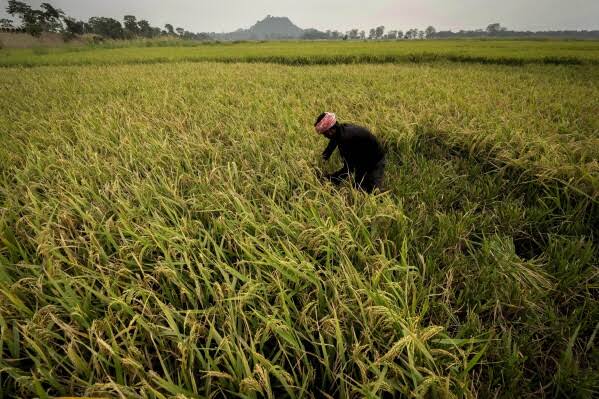
“This year’s monsoon is showing encouraging signs. The distribution and frequency of rainfall are more balanced, which is crucial for crop health,” said Dr. R.K. Singh, a senior agrometeorologist. “This will particularly benefit crops like paddy, pulses, soybean, and cotton.”
The positive monsoon trend is expected to accelerate kharif sowing, which had lagged behind in June due to patchy rainfall. As of the latest data from the Ministry of Agriculture, sowing of major kharif crops has now reached 85% of the normal area, with sharp recoveries in states like Maharashtra, Madhya Pradesh, Telangana, and Odisha.
Economists and agricultural experts suggest that a good monsoon could help stabilize food prices, support rural consumption, and ease inflationary pressure. It also brings renewed optimism for rural employment and the demand for agri-inputs such as seeds, fertilizers, and equipment.
“The monsoon remains the backbone of Indian agriculture, especially for small and marginal farmers who depend heavily on rain-fed farming,” said Anjali Verma, an agriculture policy analyst. “A timely and well-distributed monsoon not only improves yields but also strengthens rural economic sentiment.”
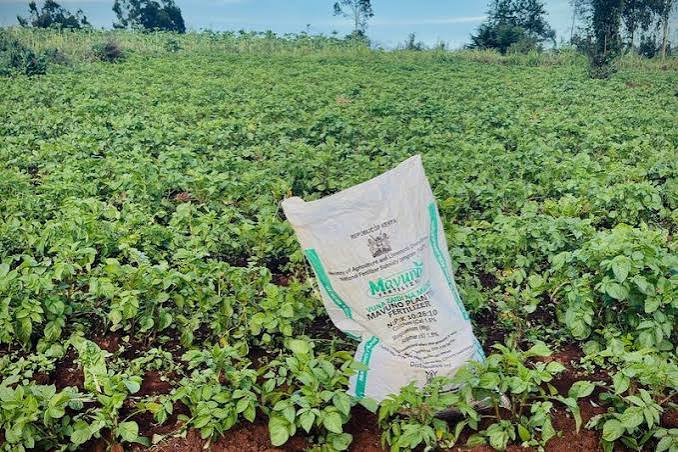
Meanwhile, state governments have begun ramping up extension services, distributing quality seeds, and advising farmers on best practices for water management and pest control. The central government, too, has assured adequate availability of urea and other key fertilizers to meet the rising demand.
With nearly 60% of India’s net sown area dependent on monsoon rains, this improved outlook is a welcome sign for the overall economy, which still relies significantly on the performance of the farm sector.
If the current rainfall pattern continues through August and early September, India could be on track for a robust kharif harvest, paving the way for improved rural income and food security.


 By
By