Authorities in Nagpur district have shut down multiple agricultural service centres following the discovery of large-scale irregularities in the sale and distribution of fertilizers. The action comes after surprise inspections by the Agriculture Department revealed violations in stock records, overpricing, and misuse of government-subsidized fertilizer meant for farmers.
According to district officials, at least 12 service centres across rural Nagpur have been temporarily sealed, with show-cause notices issued to several license holders. Some of these centres were found to be selling urea, DAP, and other key fertilizers at inflated prices, while others had failed to maintain proper sales records or diverted stock to unauthorized dealers.
“We received complaints from farmers about black marketing and irregular supply. Upon inspection, we found clear evidence of malpractice,” said Ramesh Choudhary, Deputy Director of Agriculture, Nagpur. “We are taking strict action to ensure farmers are not exploited.”
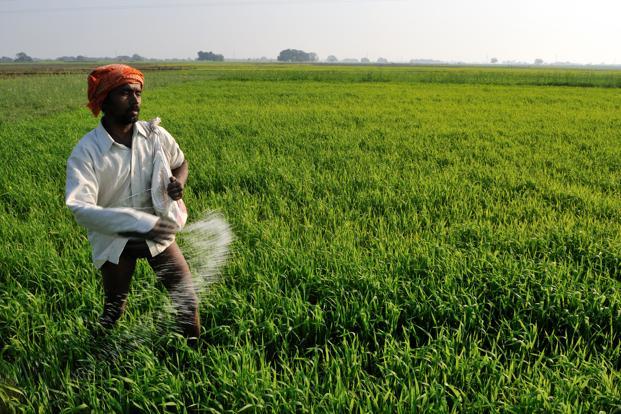
Farmers in the region have long voiced concerns over fertilizer shortages during peak sowing seasons, often forced to pay above the government-fixed rates or purchase from unauthorized sources. The latest crackdown is seen as a move to restore transparency and discipline in the agri-input distribution system.
In some cases, officials also found discrepancies in Point of Sale (PoS) machine records used for Aadhaar-based fertilizer sales, hinting at potential manipulation to siphon off subsidized stock. The Agriculture Department has submitted its findings to the district administration, which has now ordered a detailed audit of all licensed service centres in the district.
“The government provides subsidy to ensure affordable fertilizer access for farmers. Any attempt to manipulate this system will not be tolerated,” said Collector Dr. Priya Deshmukh. “We are reviewing all licenses and will cancel them permanently if malpractice is confirmed.”
Farmer unions have welcomed the action and urged authorities to ensure continued supply to genuine farmers during the kharif season. “While action against wrongdoers is appreciated, the government must ensure that honest farmers do not suffer due to temporary shutdowns,” said Ashok Mahale, leader of a local farmer association.
The district administration has also activated mobile fertilizer vans and cooperative societies to ensure uninterrupted supply during the ongoing kharif operations.
As investigations continue, officials have warned all fertilizer dealers to adhere strictly to pricing norms, maintain digital records, and operate transparently — or risk suspension of licenses and legal action.


 By
By