The Government of India has announced that the Farmer ID is now mandatory in 14 states for new registrations under the PM-KISAN scheme, in a move aimed at further strengthening transparency and streamlining benefit delivery under the flagship programme.
The Pradhan Mantri Kisan Samman Nidhi (PM-KISAN) is a central sector scheme launched in February 2019 by Prime Minister Narendra Modi to support the financial needs of farmers with cultivable landholding. Under this scheme, ₹6,000 per year is provided in three equal instalments directly into the Aadhaar-linked bank accounts of eligible farmers through Direct Benefit Transfer (DBT).
Strengthening Digital Infrastructure and Beneficiary Verification
Over the past six years, the scheme has built a farmer-centric digital infrastructure, eliminating the need for intermediaries and ensuring that funds reach the rightful beneficiaries across the country. So far, the government has disbursed over ₹3.90 lakh crore across 20 instalments, reflecting the scale and efficiency of the scheme’s delivery.
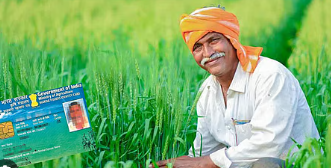
To maintain the integrity of the beneficiary database, the government has made Farmer ID mandatory in 14 states for fresh enrollments. This unique identifier helps ensure accurate verification, avoids duplication, and strengthens the creation of a centralized farmer registry.
Multiple Modes of Registration Made Available
To make the process farmer-friendly and accessible across regions, multiple enrollment modes have been activated for the creation of State Farmer Registries, including:
- Self-registration by farmers via online platforms
- Common Service Centre (CSC) mode
- Operator mode, which includes field-level State Agriculture and Revenue officials
- Sahayak mode, enabling assistance by trained personnel at the village level
Additionally, to resolve any registration-related issues, district-level local administrations have been empowered to raise and address concerns. Technical systems have been set up to assist authorized field officials in managing verification and enrollment efficiently.
A Model for Direct Benefit Transfer Success
The integration of Farmer ID and digital governance tools under PM-KISAN is being hailed as a milestone in agricultural reform, offering a model for DBT-based welfare schemes. With a focus on transparency, accountability, and technology-driven governance, the scheme has become a cornerstone in supporting small and marginal farmers across India.


 By
By