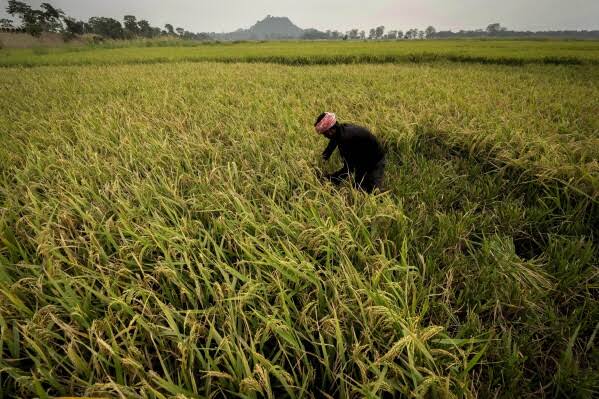
Farmers in Rajasthan have launched widespread protests against the government’s push to make nano-urea compulsory in agricultural practices, voicing concerns over its effectiveness, availability, and impact on crop yields.
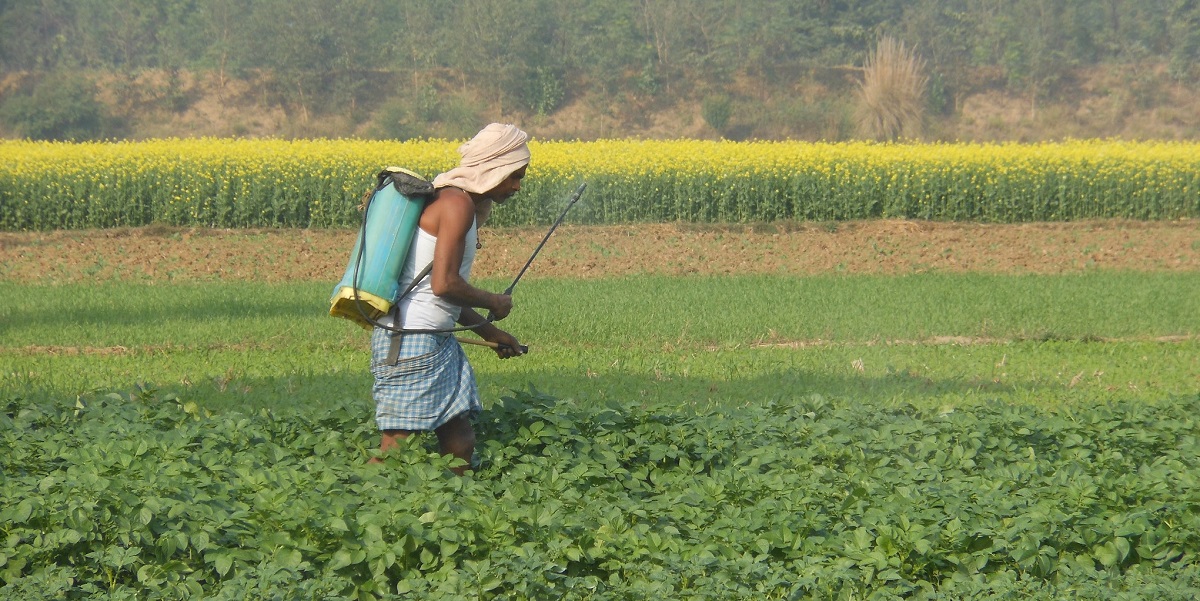
The protests erupted after state officials encouraged the replacement of conventional urea with nano-urea, a liquid fertilizer developed to reduce chemical usage and promote sustainable farming. While the technology has been hailed as a breakthrough in cutting fertilizer imports and costs, farmers argue that field results have been inconsistent.
Several farmer unions claim that the mandate ignores ground realities, as many growers have reported lower yields when relying solely on nano-urea. They also highlight issues with limited supply, lack of proper training, and doubts about whether the new product can fully substitute traditional urea.
“Farmers are not against innovation, but imposing nano-urea without proper trials and support is unfair,” said a protesting farmer leader in Jaipur. “We cannot risk our livelihoods on a product that has not been fully tested in all soil and crop conditions.”
Experts note that while nano-urea has shown promise in laboratory and controlled experiments, its large-scale adoption requires more awareness programs, field demonstrations, and farmer training. Agricultural scientists caution that it should complement, rather than completely replace, conventional fertilizers during the transition period.
The Rajasthan government has assured that farmer concerns will be addressed and has called for dialogue between agricultural experts, policymakers, and farmer groups. Meanwhile, protests continue across major farming districts, reflecting broader debates about technology adoption, farmer trust, and sustainable agriculture policies in India.


 By
By