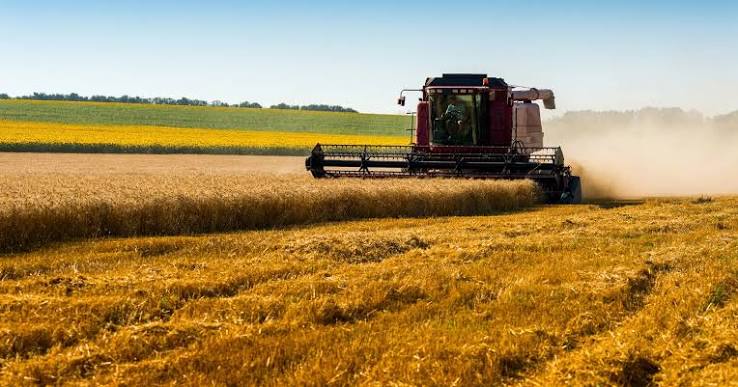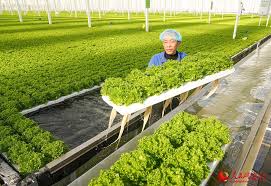
A smart farm in Zhejiang province has drawn attention for fully automating the process of vegetable planting and harvesting, showcasing how advanced technology is reshaping modern agriculture in China.
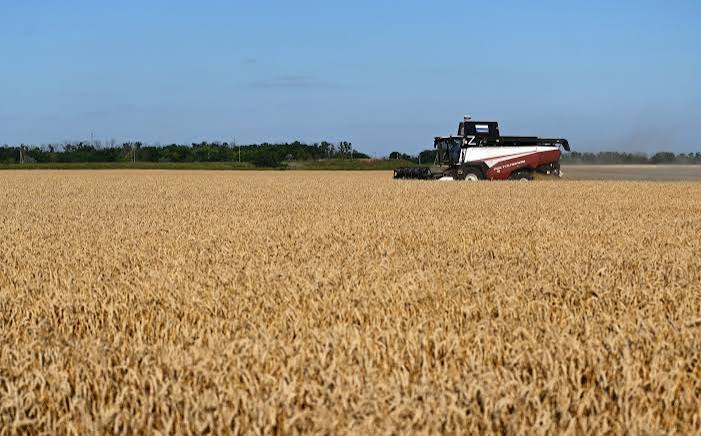
Equipped with artificial intelligence, robotic machinery, and Internet of Things (IoT) systems, the farm operates with minimal human labor. From sowing seeds and monitoring soil conditions to irrigation, pest control, and harvesting, nearly every stage is managed through intelligent automation.
Farm managers reported that automated tractors and harvesting robots can cover fields around the clock, while smart sensors track moisture, nutrients, and crop health in real time. Data collected from the fields is analyzed using AI to optimize planting schedules and ensure higher yields with reduced resource use.
The project, developed under Zhejiang’s push for digital agriculture, aims to address challenges such as labor shortages, rising costs, and the need for more efficient food production. Early results show that vegetable output has increased by nearly 20%, while water and fertilizer use has decreased significantly compared to traditional farming methods.
Officials believe the model could be replicated across other provinces to boost food security and promote sustainable farming practices. Local farmers are also being trained to operate and manage these smart systems, ensuring that technological adoption benefits rural communities.
The Zhejiang smart farm represents a growing trend in China’s agricultural modernization, blending traditional farming with cutting-edge innovation to meet the demands of a rapidly urbanizing population


 By
By