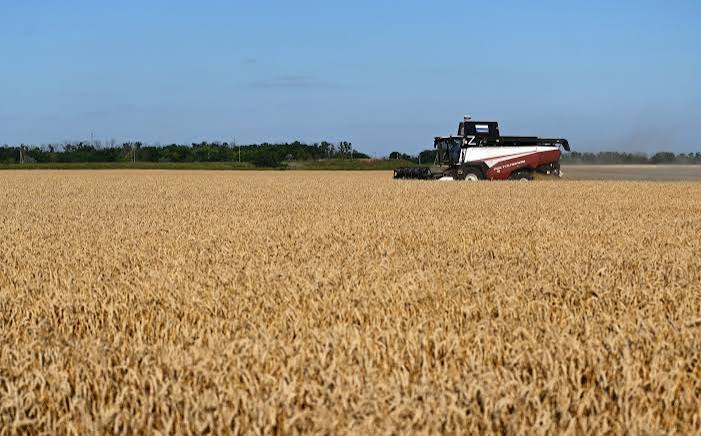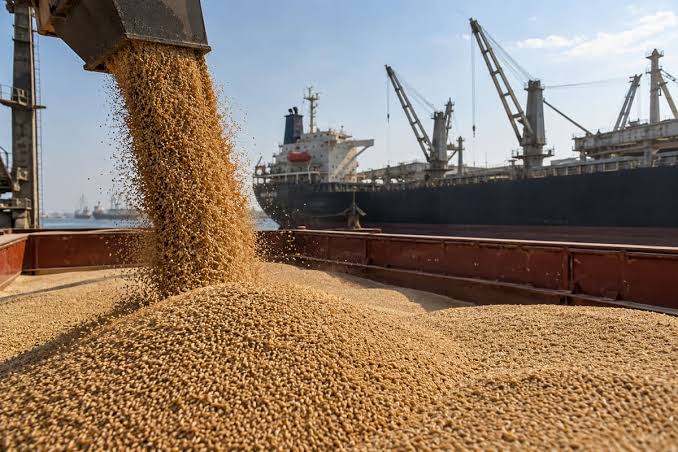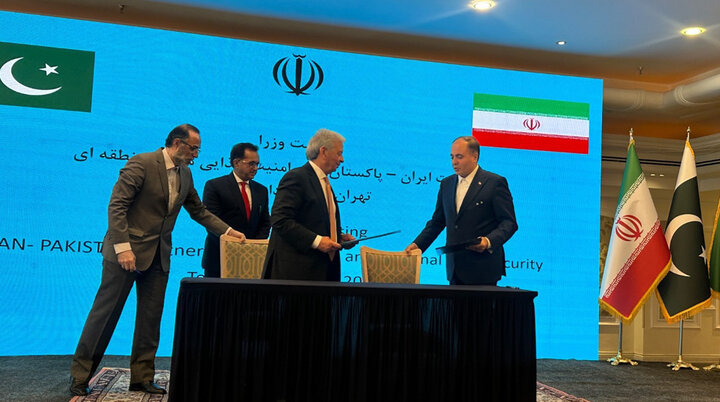
Iran and Pakistan have agreed to significantly expand their agricultural trade, with plans to more than double bilateral exchanges in the coming years. The move is aimed at strengthening food security, boosting farmer incomes, and deepening economic cooperation between the two neighboring countries.
Officials from both sides confirmed that discussions held during recent trade talks have resulted in an agreement to scale up agricultural exports and imports across a wide range of commodities. The plan includes enhancing cooperation in rice, fruits, vegetables, livestock, and dairy products, along with exploring opportunities in farm technology, seed development, and irrigation systems.
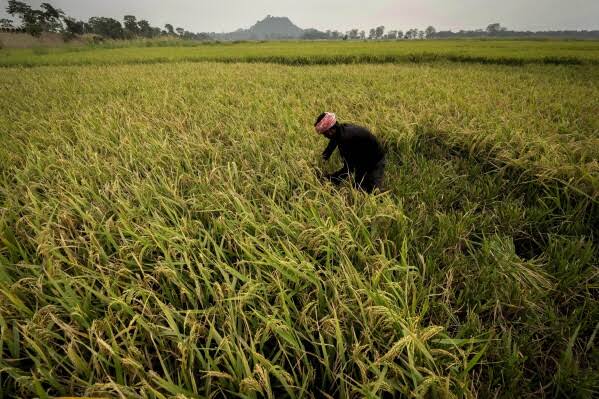
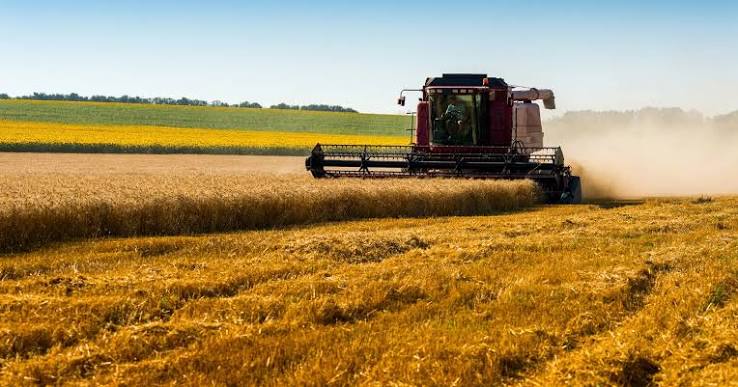
Pakistan, which has a strong production base in rice, wheat, mangoes, and citrus fruits, is expected to increase its agricultural exports to Iran, while Iran is set to boost shipments of dates, pistachios, saffron, and livestock products to Pakistani markets.
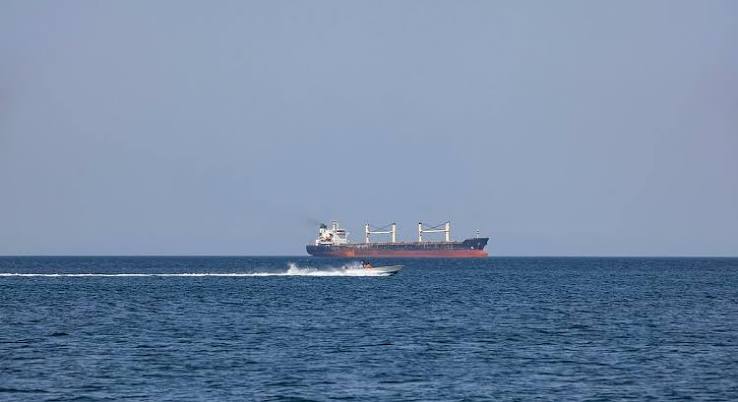
Trade experts noted that this initiative could see the current agricultural trade volume between the two countries — estimated at around $1.5 billion annually — rise to over $3 billion within the next few years. Both governments have also agreed to address tariff barriers, streamline border trade procedures, and strengthen transport connectivity to facilitate smoother exchanges.
Agriculture ministers of both nations emphasized that the cooperation will not only benefit farmers and agribusinesses but also contribute to stabilizing food supplies in the region amid global market fluctuations.
The development is being seen as part of a broader effort by Iran and Pakistan to enhance regional trade ties, reduce dependence on distant markets, and harness their shared agricultural potential.


 By
By