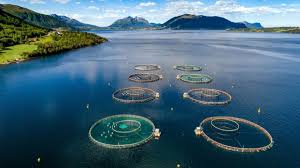
Taiwan has introduced a cutting-edge Artificial Intelligence (AI) system designed to enhance efficiency, sustainability, and productivity in the aquaculture sector. The initiative aims to support fish farmers by reducing risks, improving monitoring, and optimizing resource management.
According to officials, the AI-powered system uses real-time data from water quality sensors, feeding behavior analysis, and environmental monitoring to help farmers make timely decisions. By detecting early signs of disease, adjusting feed levels, and predicting optimal harvest times, the technology is expected to reduce losses and increase yields.
Taiwan’s aquaculture industry, known globally for producing high-quality fish and seafood, has faced challenges in recent years due to rising production costs, climate variability, and labor shortages. The adoption of AI solutions is seen as a step forward in modernizing the sector and making it more resilient.
Industry experts highlight that the system not only ensures better farm management but also promotes sustainability by reducing feed wastage and minimizing the environmental impact of fish farming. Farmers, too, have expressed optimism that the technology will ease their workload while improving profitability.
Government representatives have confirmed that the AI platform will be gradually rolled out across key aquaculture regions, accompanied by training programs to familiarize farmers with its use. The long-term goal is to strengthen Taiwan’s position in the global seafood market while supporting rural communities that depend on aquaculture for their livelihoods.


 By
By