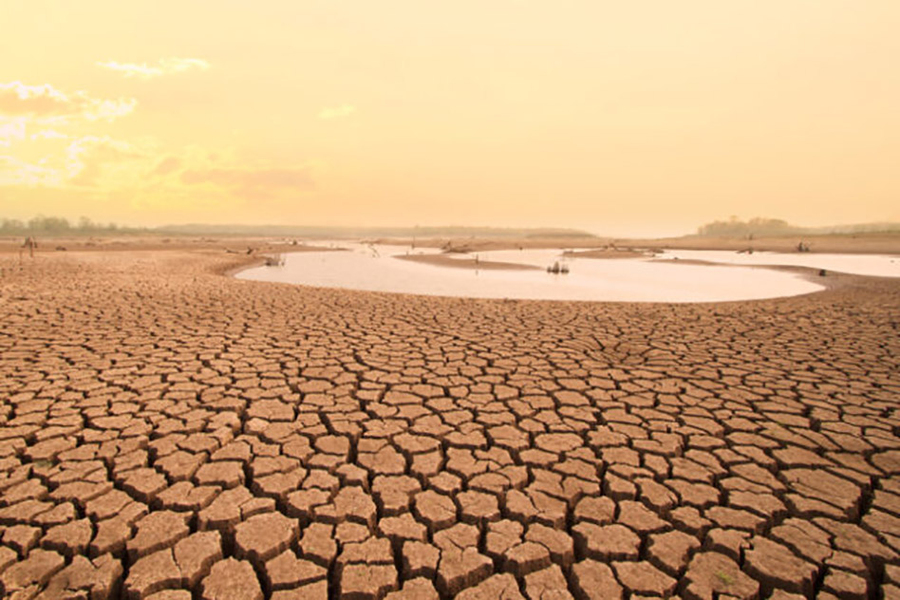
The global meat and dairy sector is facing mounting challenges as recurring droughts intensify pressure on livestock producers, disrupt feed supplies, and drive up costs for farmers and consumers alike. With climate change contributing to more frequent and severe dry spells, agricultural experts warn that the livestock industry must adapt quickly to safeguard both production and food security.
Droughts and Feed Shortages
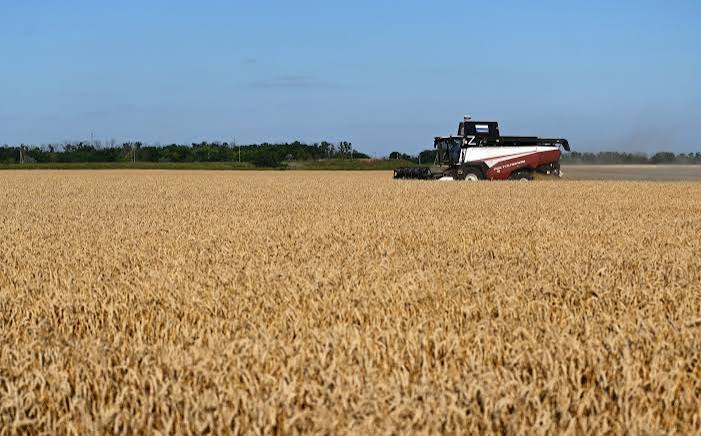
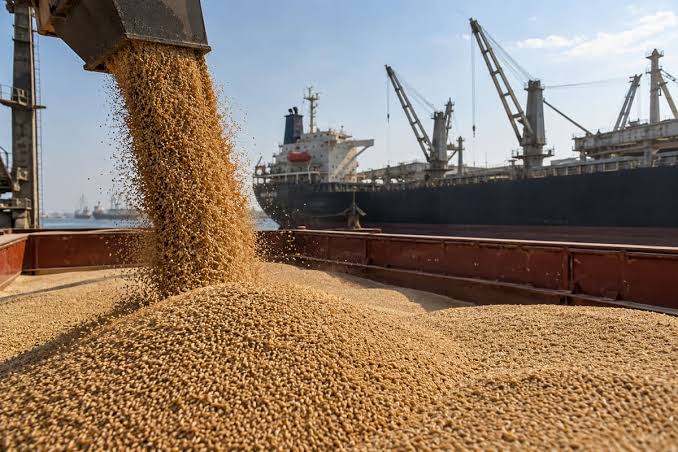
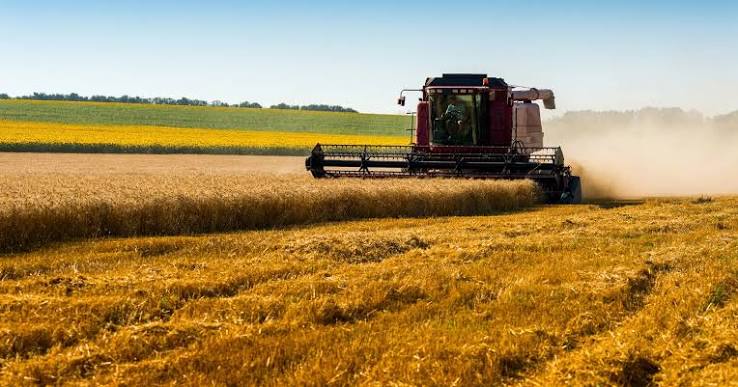
Livestock production relies heavily on the availability of pasture and feed crops such as corn, soybeans, and alfalfa. Extended periods of drought drastically reduce yields, leaving farmers with limited options to sustain their herds. In many regions, water scarcity is also affecting the availability of grazing land, forcing producers to purchase expensive supplementary feed.
According to recent agricultural reports, feed prices in several drought-affected areas have surged by more than 30 percent over the past year. For dairy farmers, who already operate with thin profit margins, higher feed costs are cutting into earnings and creating difficult decisions about herd sizes. Meat producers, particularly beef and sheep farmers, are also reducing herd numbers as pasturelands dry up.
Impact on Milk and Meat Production
As feed supplies shrink, the immediate consequence is a decline in productivity. Dairy herds under nutritional stress produce less milk, while reduced feed quality affects overall herd health. In the meat sector, lower feed availability slows animal growth rates, delays market readiness, and reduces carcass weights.
The combined effect is a tightening of supply in both meat and dairy markets. Consumers in many countries are already seeing higher retail prices for milk, cheese, butter, and meat products, reflecting the strain on production. Economists caution that if drought patterns persist, global food inflation could worsen, further affecting affordability and access.
Regional Hotspots
The impact of drought on the livestock sector is being felt worldwide:
- United States: Large parts of the Midwest and Western states are grappling with severe drought conditions, leading to reduced pasture availability and early herd culling.
- Europe: Southern European countries, including Spain and Italy, have reported water shortages that are affecting dairy farms and small-scale livestock operations.
- Australia: Recurrent droughts continue to disrupt cattle and sheep production, raising concerns about long-term sustainability.
- Africa: Smallholder farmers in drought-prone regions are among the most vulnerable, with limited access to feed markets and financial support mechanisms.
Each region faces unique challenges, but the common denominator is clear—drought is becoming a defining factor in livestock management.
Industry and Government Responses
Livestock producers and policymakers are exploring a range of strategies to mitigate drought impacts. Among the measures gaining traction are:
- Water-efficient farming practices: Investment in irrigation systems, rainwater harvesting, and efficient water use technologies.
- Drought-resistant feed crops: Breeding and adopting crop varieties that can withstand prolonged dry conditions.
- Alternative feed sources: Exploring non-traditional feed options, including crop residues, silage innovations, and by-products from other industries.
- Herd management strategies: Adjusting herd sizes, improving animal genetics for feed efficiency, and adopting better grazing practices.
Governments in drought-prone countries are also stepping in with relief packages, subsidies, and technical support for farmers. For example, some regions are providing emergency feed supplies or financial aid to dairy producers facing acute shortages.
The Climate Challenge
Experts stress that the livestock sector must prepare for long-term adjustments as climate change continues to alter weather patterns. Droughts are no longer isolated events but increasingly part of a recurring cycle that demands systemic changes in production practices.
Dr. Emily Harris, an agricultural economist, notes: “The livestock sector is at the frontline of climate impacts. Adaptation is not optional—it is essential for the survival of farms and the resilience of our food systems.”
Some industry leaders are also calling for broader sustainability initiatives, such as reducing greenhouse gas emissions from livestock, integrating renewable energy into farms, and promoting circular agriculture models that recycle resources more efficiently.
Outlook for the Future
While droughts pose serious challenges, they also serve as a catalyst for innovation in the meat and dairy industry. Farmers, researchers, and governments are increasingly collaborating to develop resilient systems that can withstand climate pressures. Technologies such as precision livestock farming, data-driven feed management, and climate-smart breeding programs are showing promise.
In the near term, however, consumers are likely to continue facing higher prices as the sector grapples with tight supplies. For producers, financial stress remains a significant concern, particularly among small and medium-sized farms with limited capacity to absorb rising costs.
Conclusion
The rise of droughts and water scarcity is reshaping the global meat and dairy sector, forcing both farmers and policymakers to rethink strategies for sustainability and resilience. While the challenges are daunting, proactive measures—ranging from feed innovations to climate-smart practices—offer a pathway forward.

 By
By