Pakistan’s agricultural sector, the backbone of its economy and a lifeline for millions of rural households, is increasingly under threat from climate-driven crises. Rising temperatures, erratic rainfall, prolonged droughts, and devastating floods are creating a complex web of challenges for farmers, pushing the country’s food security and rural livelihoods to the brink.
Agriculture Under Climate Stress
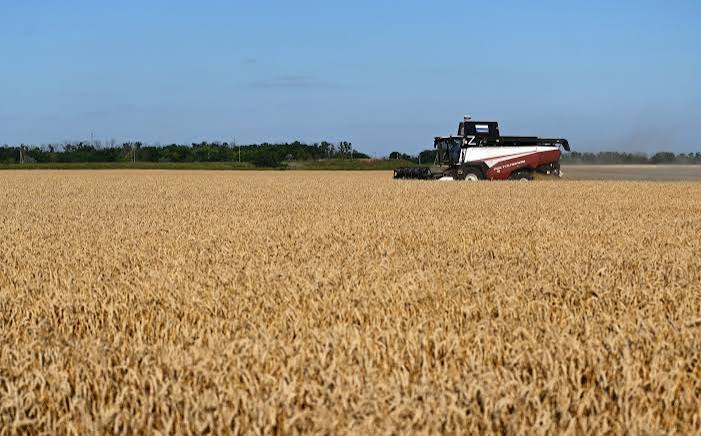
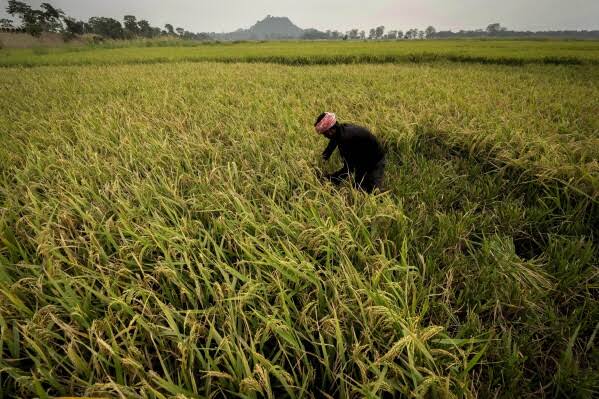
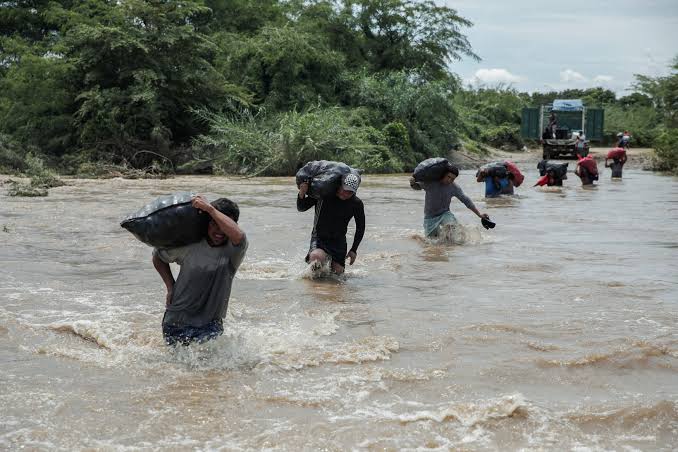
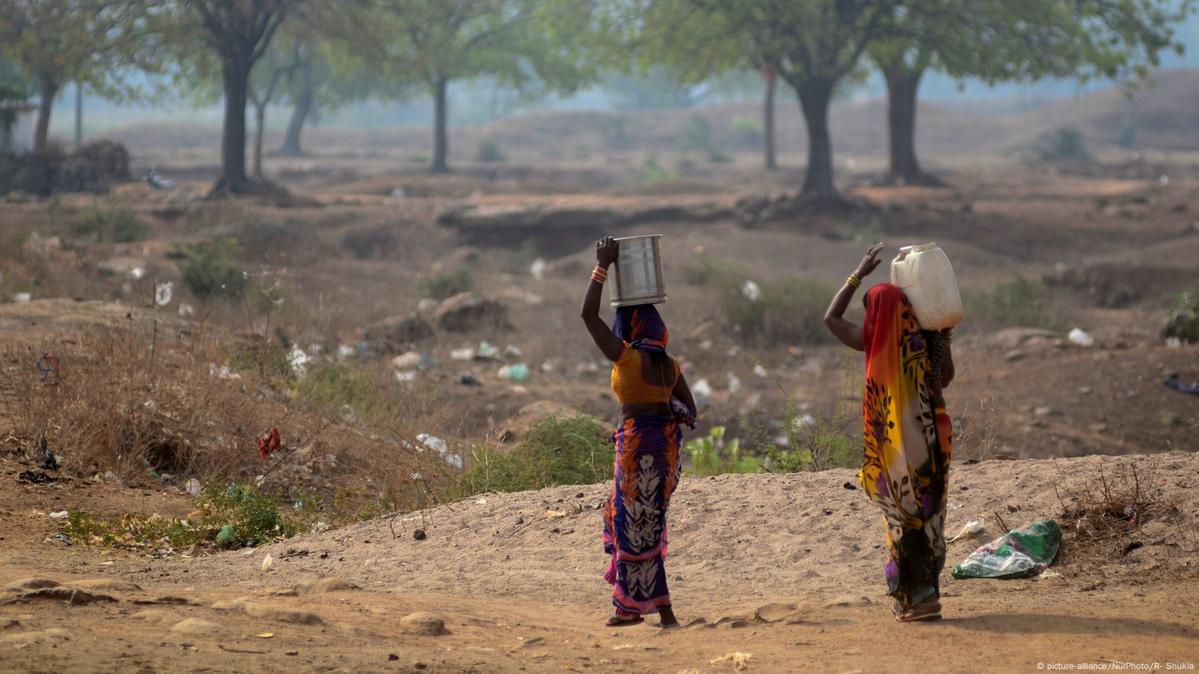
Agriculture employs nearly 40 percent of Pakistan’s workforce and contributes around one-fifth of its GDP. Yet, farmers across the country are struggling as climate extremes intensify. In recent years, Pakistan has faced devastating floods that submerged vast tracts of farmland, followed by periods of severe drought that left soil dry and unproductive.
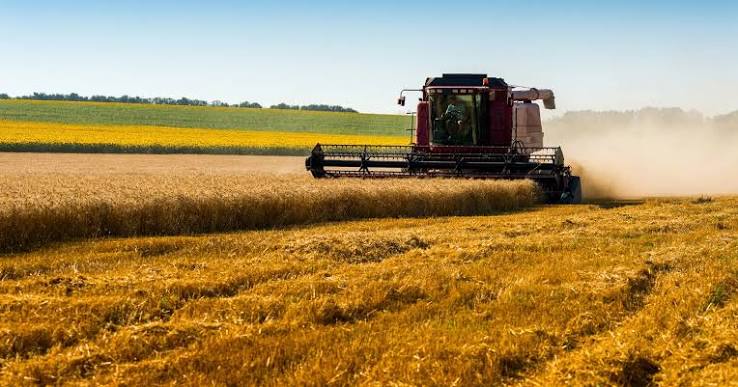
Erratic rainfall patterns are also undermining traditional cropping cycles. Farmers who once relied on predictable monsoon rains are now facing uncertainty, with sowing and harvesting schedules disrupted. This instability has reduced yields for staple crops such as wheat, rice, and cotton—essential not only for domestic consumption but also for export revenues.
Impact on Livelihoods and Food Security
For rural communities, climate shocks are not just an agricultural problem but a survival issue. Smallholder farmers, who make up the majority of Pakistan’s agricultural workforce, often lack the financial resources to cope with losses. When floods destroy fields or drought reduces yields, many families fall deeper into poverty.
Livestock production is also under stress. Heatwaves and water shortages reduce animal productivity, while disease outbreaks spread more quickly in extreme weather conditions. Dairy farmers, in particular, have reported declining milk output due to heat stress on animals and feed shortages.
The consequences are visible in local markets, where food prices have risen sharply in recent years. Wheat shortages, vegetable price spikes, and reduced cotton supplies have not only strained households but also weakened Pakistan’s ability to earn foreign exchange through agricultural exports.
Farmers’ Struggle and Adaptation
Despite the challenges, Pakistani farmers are finding ways to adapt. In flood-prone areas, some have shifted to shorter-duration crop varieties that can be harvested quickly before heavy rains. Others are experimenting with drought-resistant seeds, drip irrigation systems, and improved soil management practices.
Farmer cooperatives and NGOs are also playing a role by providing training, distributing climate-resilient seeds, and helping farmers access credit to rebuild after disasters. However, these efforts often remain small in scale compared to the magnitude of the problem.
“Every year we prepare for farming, but the weather no longer follows the old patterns,” says Abdul Rehman, a farmer from Sindh province. “Sometimes floods take everything, and sometimes the land is too dry to grow crops. We need new tools and support to survive.”
Government and International Response
The Pakistani government has acknowledged the seriousness of climate-driven agricultural crises and has launched initiatives aimed at building resilience. These include programs to promote water conservation, expand irrigation infrastructure, and introduce climate-smart agriculture practices.
International organizations such as the Food and Agriculture Organization (FAO) and the World Bank are also working in Pakistan to provide technical support and funding for adaptation projects. Efforts include satellite-based weather forecasting, crop insurance schemes, and renewable energy solutions for farms.
However, experts caution that much more needs to be done. Pakistan is among the top 10 countries most vulnerable to climate change, yet its agricultural adaptation measures remain underfunded and fragmented. Without stronger action, millions of farmers will remain exposed to recurring climate disasters.
Looking Ahead
As climate impacts worsen, the future of Pakistan’s agriculture depends on urgent reforms and investments. Expanding access to climate-resilient seeds, modern irrigation systems, and digital weather advisory services could help farmers adapt more effectively. Equally important are financial safety nets, such as crop insurance and disaster relief programs, to protect vulnerable households.
Experts also stress the importance of regional cooperation. Since rivers and weather systems cross national borders, Pakistan must work closely with neighboring countries to manage shared water resources and develop regional strategies for climate adaptation.


 By
By