The Food and Agriculture Organization of the United Nations (FAO) has officially recognized new Globally Important Agricultural Heritage Systems (GIAHS) sites in Italy and Japan, honoring their unique farming traditions, cultural heritage, and sustainable land management practices. This recognition adds to the growing global network of agricultural heritage landscapes that balance food production, biodiversity conservation, and cultural identity.
What are GIAHS?
The GIAHS program, launched by FAO in 2002, identifies and safeguards agricultural systems that have been shaped over centuries by farmers and rural communities. These sites are celebrated not only for their ability to sustainably manage land and resources but also for their role in preserving traditional knowledge, landscapes, and food cultures.
To qualify as a GIAHS, a site must demonstrate a combination of agricultural biodiversity, resilient ecosystems, traditional knowledge systems, cultural heritage, and innovative approaches to sustainable farming. Once designated, GIAHS sites benefit from international recognition, technical support, and initiatives aimed at promoting sustainable rural development.
New Sites in Italy
Italy, already home to several GIAHS designations, has added new sites that highlight the country’s rich agricultural diversity. Among them are historic olive-growing regions and vineyard landscapes where farming practices have been carefully maintained for centuries.
One of the newly recognized Italian sites showcases ancient olive groves and terraced landscapes that not only produce high-quality olive oil but also serve as vital ecosystems, preventing soil erosion and conserving water resources. These landscapes represent a harmonious blend of human activity and nature, embodying principles of sustainability that modern agriculture continues to learn from.
Italian officials welcomed the recognition, emphasizing that it will help promote agritourism, protect traditional farming livelihoods, and strengthen Italy’s global reputation as a steward of sustainable agriculture and cultural heritage.
New Sites in Japan
Japan has also gained new recognition under the GIAHS program, with sites that reflect the nation’s deep-rooted traditions of rice cultivation, forestry, and community-based land management.
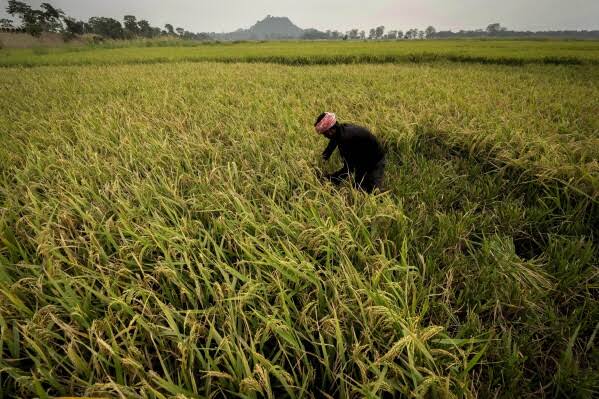
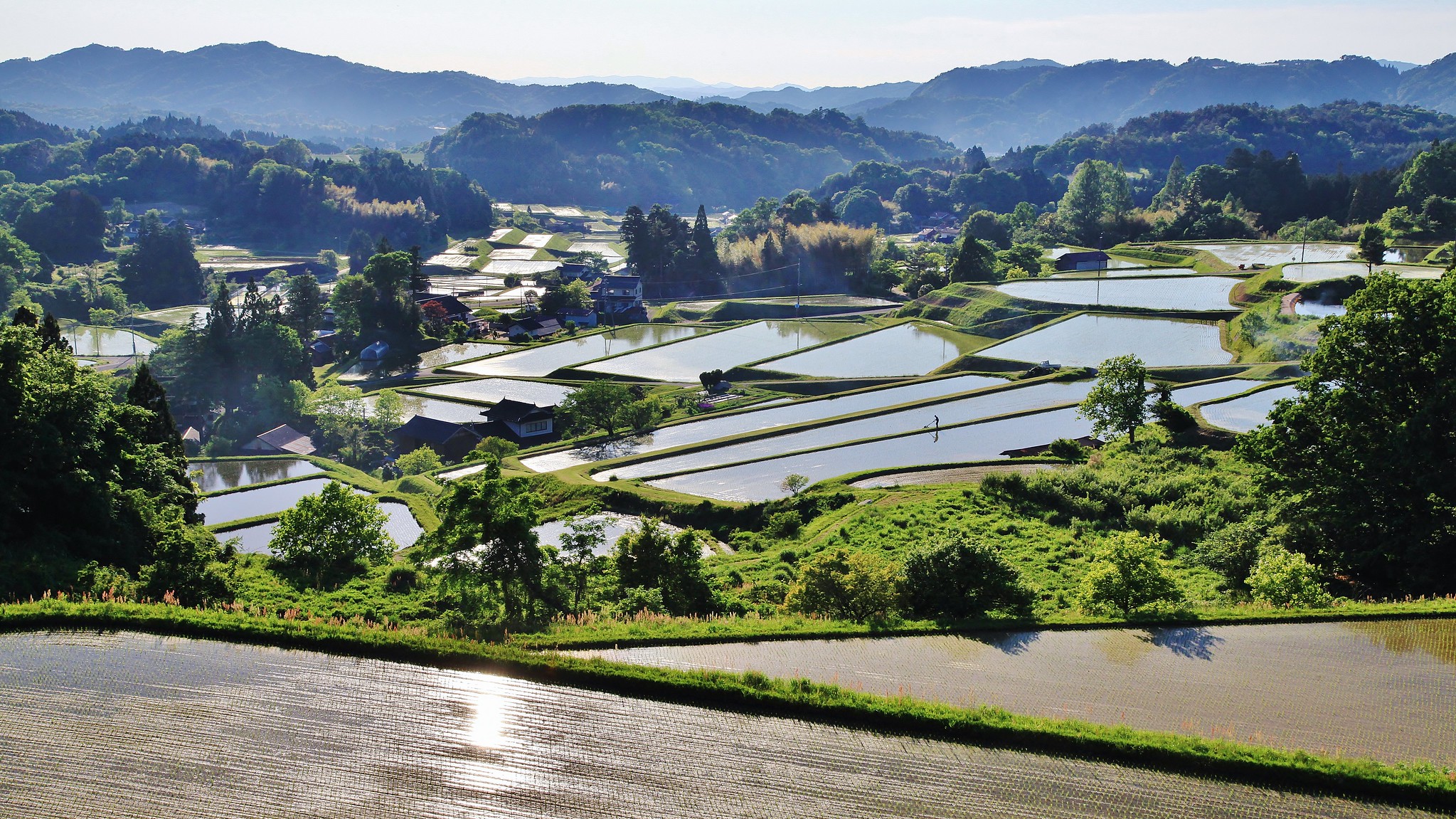
One of the highlighted Japanese sites is a traditional rice terrace system, where generations of farmers have cultivated paddy fields along mountain slopes, using intricate irrigation systems to manage water efficiently. These rice terraces not only sustain local food supplies but also play a crucial role in biodiversity conservation and cultural practices, including festivals and rituals linked to the agricultural calendar.
Another Japanese site emphasizes the integration of forestry and agriculture, where rural communities have developed unique systems of land use that balance timber production, food cultivation, and ecological preservation.
Japanese agricultural leaders noted that GIAHS recognition will provide valuable opportunities for rural revitalization, particularly in areas facing depopulation and declining farm incomes. By combining heritage conservation with economic development through eco-tourism and niche markets, these sites can remain viable for future generations.
Global Significance of the Recognition
The inclusion of new GIAHS sites in Italy and Japan underscores the program’s role in safeguarding agricultural heritage while promoting innovation in sustainable farming. Each newly designated site contributes to the global narrative of how traditional practices can coexist with modern challenges such as climate change, biodiversity loss, and rural poverty.
FAO officials highlighted that agricultural heritage systems are “living legacies,” offering lessons in resilience, adaptation, and harmony with nature. As global agriculture seeks solutions to environmental crises, GIAHS sites provide practical models rooted in centuries of human experience.
Currently, there are more than 70 designated GIAHS sites worldwide, spanning Asia, Africa, Latin America, and Europe. These sites are increasingly recognized not only as food production systems but also as cultural treasures that connect communities to their history and environment.


 By
By