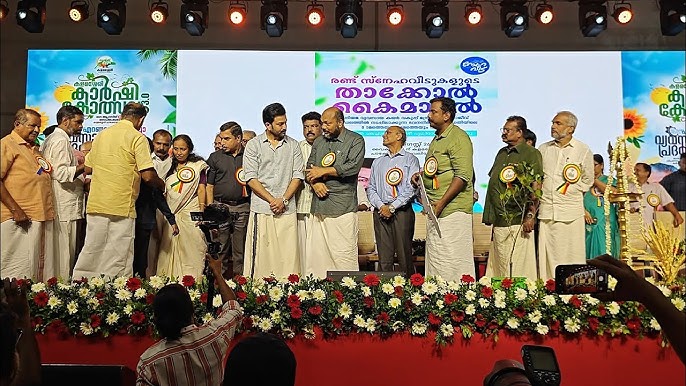
general public to celebrate the state’s rich farming heritage and showcase the latest innovations in agriculture. The multi-day event is being organized by the local administration in collaboration with agricultural universities and farmer groups, with the aim of promoting sustainable farming and strengthening farmer–community connections.
A Celebration of Farming and Innovation
The inaugural ceremony, attended by senior government officials and agricultural experts, set the tone for the festival with vibrant cultural performances, farmer recognition awards, and exhibitions of traditional and modern farming practices. Organizers highlighted that the event is designed not just as a celebration but also as a knowledge-sharing platform to empower farmers with new techniques and inspire youth to engage in agriculture.
Exhibition stalls across the festival grounds are showcasing a wide variety of products, ranging from organic vegetables, fruits, and spices to innovative farming tools, machinery, and agri-tech solutions. Startups specializing in precision farming, hydroponics, and drone-based crop monitoring have drawn significant attention from visitors, reflecting the growing role of technology in Kerala’s agricultural landscape.
Empowering Farmers through Knowledge
A central feature of the Kalamassery Agricultural Festival is its series of seminars and workshops covering critical topics such as climate-smart agriculture, soil health management, integrated pest control, and value-added processing. Experts from Kerala Agricultural University and Krishi Vigyan Kendras (KVKs) are leading interactive sessions to help farmers adopt sustainable and profitable practices.
Farmers are also being introduced to government schemes and financial support programs available for organic cultivation, crop diversification, and farm mechanization. Officials noted that such direct engagement helps ensure that information reaches farmers effectively, enabling them to make better use of institutional support.
One of the highlights has been a special session on youth in agriculture, aimed at encouraging young entrepreneurs to explore opportunities in agri-business, food processing, and export-oriented farming. Organizers believe that festivals like this can play a crucial role in reversing the trend of declining youth participation in agriculture.
A Platform for Local Produce
The festival has also become a marketplace for local farmers to directly sell their produce to consumers, eliminating middlemen and ensuring better prices. Stalls featuring traditional Kerala staples such as black pepper, coconut, jackfruit, and medicinal plants are attracting strong interest from both residents and visitors.
Food courts offering dishes made from locally grown ingredients are another crowd-puller, giving attendees a chance to taste authentic farm-to-table delicacies. In addition, women self-help groups are exhibiting value-added products like pickles, jams, herbal teas, and organic snacks, showcasing the important role of women in agricultural entrepreneurship.
Community Spirit and Cultural Connection
Beyond agriculture, the Kalamassery Agricultural Festival is also a cultural celebration. Folk performances, traditional art forms, and local music groups are entertaining visitors throughout the event, creating a festive atmosphere. Organizers emphasized that agriculture is deeply intertwined with Kerala’s culture, and events like this remind communities of the social and cultural importance of farming traditions.
Local schools and colleges are participating in competitions such as quiz contests, poster exhibitions, and debates on agricultural themes, fostering awareness among students about the significance of food security and sustainable practices.
Looking Ahead
The Kalamassery Agricultural Festival is expected to draw thousands of visitors over the coming days, including policymakers, researchers, and farming families from across Kerala. Organizers hope that the event will not only boost the morale of local farmers but also create stronger links between agriculture, technology, and markets.
Officials stressed that the success of the festival lies in its ability to connect tradition with modernity. “We want to show that agriculture is not just a livelihood but also a future-ready profession that combines science, innovation, and cultural pride,” said one of the coordinators.


 By
By