In a significant policy move, the Government of India has announced the extension of the import duty exemption on cotton, a decision aimed at addressing rising concerns from the textile industry while balancing the ongoing unrest among farmers.
The exemption, which was initially introduced to ease the burden on textile manufacturers struggling with high raw material costs, will now continue for an extended period. Industry bodies had strongly advocated for this relief, citing that expensive domestic cotton had been impacting production and competitiveness in global markets.
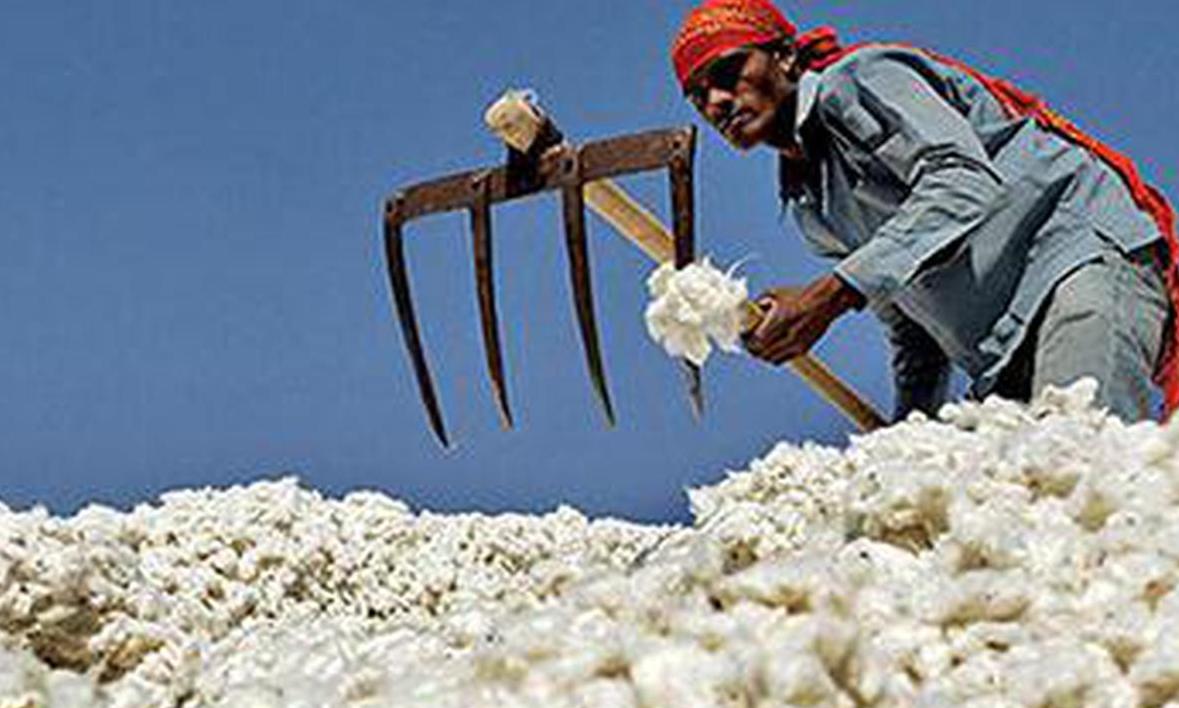
However, the move has sparked sharp criticism from cotton farmers, who argue that large-scale imports could depress local prices and harm their livelihoods. Farmers’ unions across key cotton-growing states such as Maharashtra, Gujarat, and Telangana have voiced concerns that the government’s decision favors the textile sector at the expense of cultivators.
According to trade officials, India’s textile industry consumes nearly 5.5 million tonnes of cotton annually, but fluctuating domestic production and rising global demand have created supply gaps. The import duty exemption is expected to help bridge this gap and ensure price stability for the industry.
Farmer representatives, however, stress that the government should instead focus on providing minimum support price (MSP) assurance, strengthening procurement systems, and offering subsidies to protect cultivators from volatile global markets.
Experts believe that while the duty waiver may bring short-term relief to textile manufacturers, it also highlights the need for long-term reforms in cotton production, including modern farming techniques, quality improvement, and sustainable practices to boost self-reliance.
The government has indicated that it will closely monitor both farmer concerns and industry demands before taking further steps. With the 2025 cotton season around the corner, the debate over balancing farmer welfare and industrial growth is likely to intensify in the coming months.


 By
By