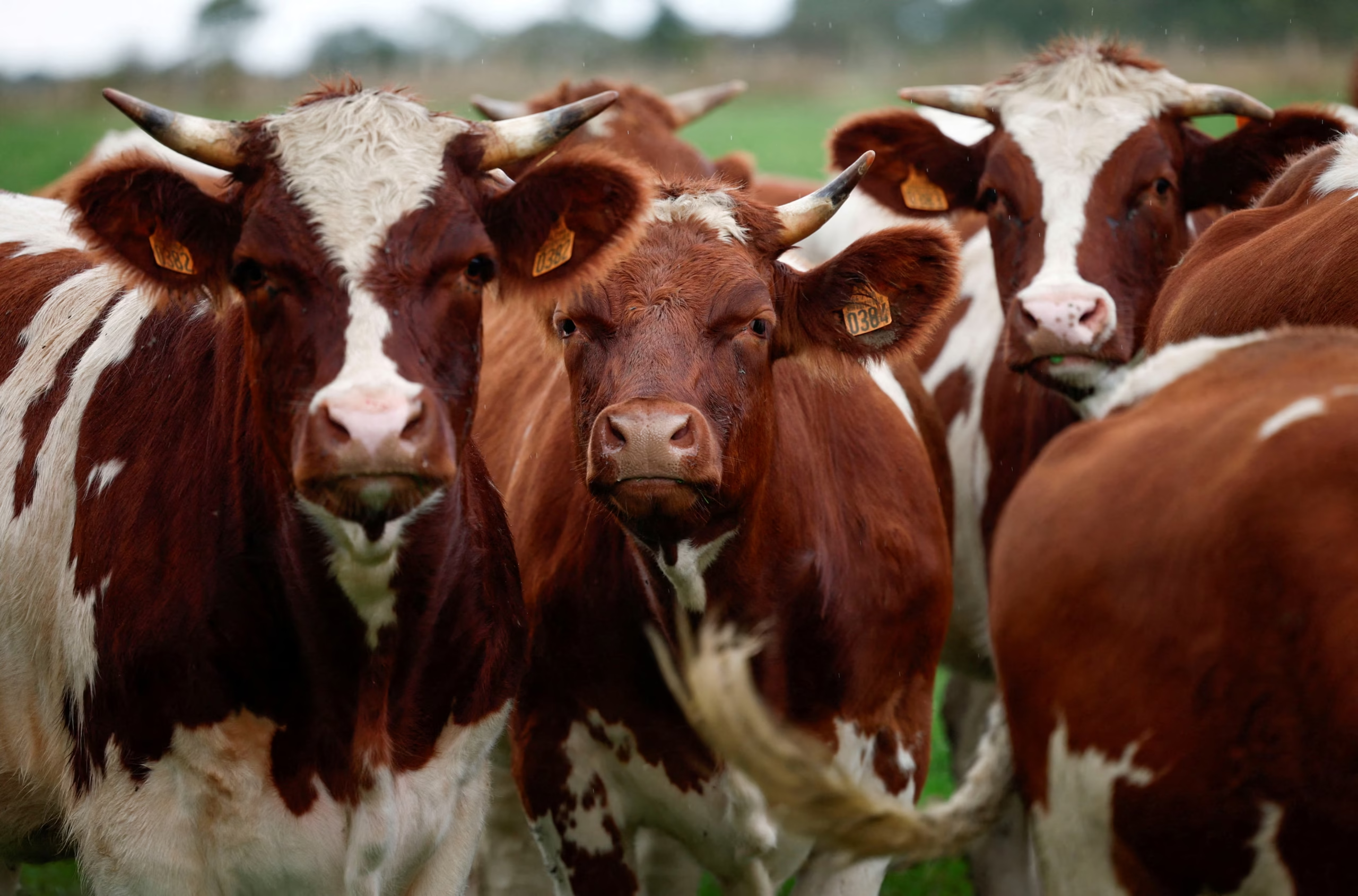
France has reported a significant decline in Lumpy Skin Disease (LSD) cases among cattle, bringing much-needed relief to farmers and the livestock industry. The viral disease, which spreads primarily through insects such as mosquitoes and causes skin nodules, fever, and reduced milk yield in cattle, had previously raised serious concerns across the country’s farming community.
According to the French Ministry of Agriculture, the number of new cases has fallen sharply in recent weeks following aggressive containment measures. Mass vaccination drives, strict monitoring, and rapid response protocols in affected regions have played a crucial role in controlling the spread. Authorities also credit awareness campaigns among farmers for improving early detection and timely reporting of suspected cases.
The sharp drop in infections has eased fears of major losses in France’s dairy and beef sectors, which are key contributors to the European livestock economy. Farmers, who had been worried about falling milk production and trade disruptions, have welcomed the news as a sign of recovery and stability.
Experts caution, however, that continued vigilance will be essential to prevent a resurgence. The government has assured that monitoring will remain in place and urged farmers to maintain biosecurity measures, ensure routine health checkups, and keep up with vaccination schedules.
The latest data marks a positive turning point for France’s livestock industry, offering renewed hope to cattle producers who had been struggling with the economic impact of the disease. With strong preventive measures still in force, officials are optimistic that the country can keep LSD cases at minimal levels going forward.


 By
By