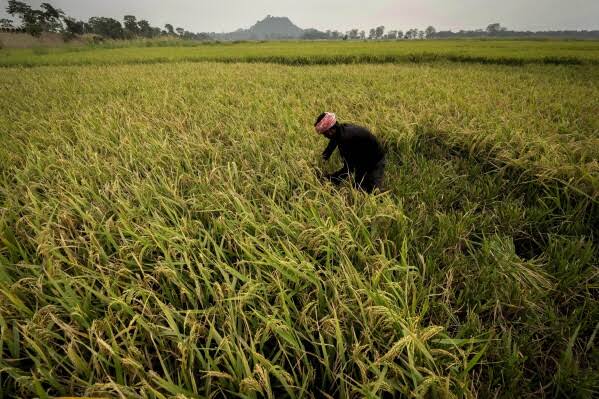
Western Odisha came alive this week with the joyous celebration of Nuakhai, the region’s most prominent agrarian festival that marks the arrival of the new harvest. Thousands of farming families gathered to offer their first produce of the season to the deities, seeking blessings for prosperity and abundance in the year ahead.
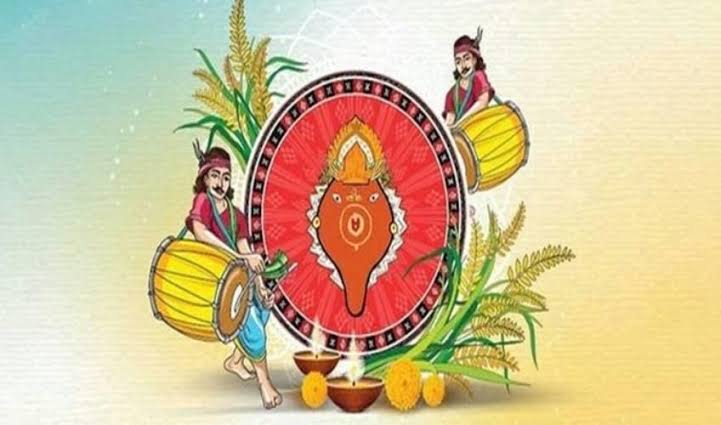
Observed with deep cultural and agricultural significance, Nuakhai is traditionally celebrated a day after Ganesh Chaturthi. Farmers prepare special dishes using newly harvested rice, which is first offered to the presiding deity of their village before being shared among family members. The ritual, known as “Nabanna Bhog”, symbolizes gratitude to nature and the gods for a fruitful harvest.
Villages and towns across districts such as Sambalpur, Bargarh, Balangir, and Kalahandi witnessed vibrant festivities with traditional folk songs, dance performances, and community feasts. People dressed in colorful attire, visited relatives, and exchanged greetings of “Nuakhai Juhar”, strengthening social bonds and community harmony.
The festival also carries economic importance, as local markets thrived with brisk sales of new clothes, sweets, agricultural tools, and decorative items. Cultural troupes performed Sambalpuri folk dances and showcased the rich heritage of western Odisha, drawing visitors and tourists to the region.
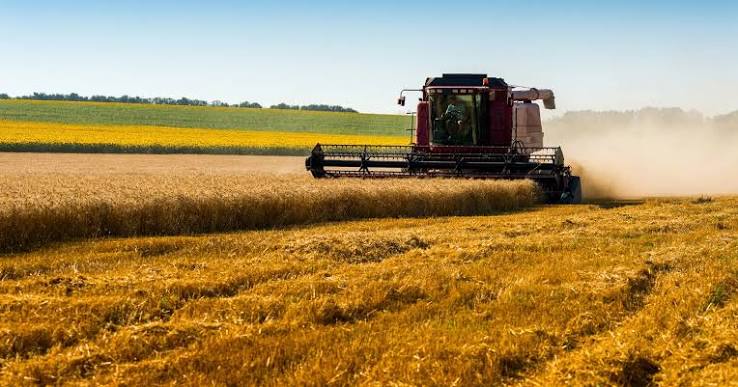
Leaders and cultural organizations highlighted that Nuakhai is not just a celebration of crops but also a reminder of the central role agriculture plays in sustaining livelihoods. The festival underscores values of unity, gratitude, and respect for farmers, who form the backbone of rural Odisha.
As the celebrations concluded, farmers expressed optimism about the season’s harvest, with hopes of good rainfall and government support ensuring better yields. Nuakhai once again reaffirmed its place as a festival that binds communities together through faith, food, and farming traditions.


 By
By