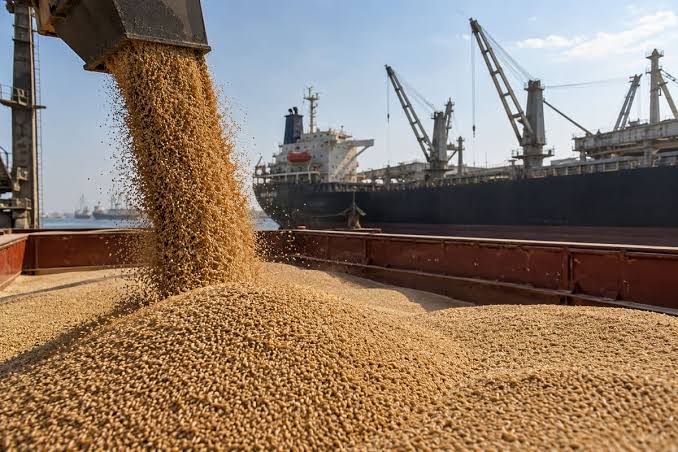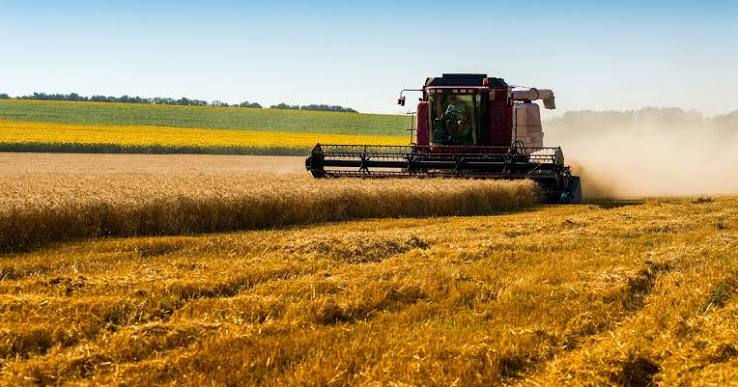
American soybean farmers are facing mounting challenges as China, the world’s largest soybean buyer, cuts back on its purchases from the United States. The reduction in imports has left U.S. producers scrambling to find alternative markets, with many experiencing significant financial losses in the process.
China’s decision comes amid shifting trade dynamics and increased domestic soybean production. For U.S. farmers who have long relied on Chinese demand, the reduction has created uncertainty and pressure on prices.
Industry experts note that while some producers are exploring markets in Southeast Asia, Europe, and Latin America, these alternatives often cannot fully compensate for the volume previously exported to China. Consequently, many farmers are selling at lower prices or storing unsold inventory, further straining cash flows.
“The sudden change in Chinese demand has disrupted established supply chains and left farmers vulnerable,” said an agricultural market analyst. “Finding new buyers takes time, and in the meantime, financial pressures are mounting.”
The U.S. soybean industry, a critical component of the country’s agricultural exports, is now looking to diversify its markets and strengthen domestic processing to reduce dependence on a single major buyer.
While efforts to stabilize the market are underway, the situation highlights the ongoing challenges U.S. farmers face in a globalized trade environment where geopolitical and economic shifts can have immediate impacts on their livelihoods.


 By