India’s livestock and aquaculture sectors are facing mounting pressures as multiple challenges converge, threatening growth and profitability. Key issues include feed shortages due to diversion of crops to biofuel production, low productivity levels, and rising tariffs on exports, according to industry experts.
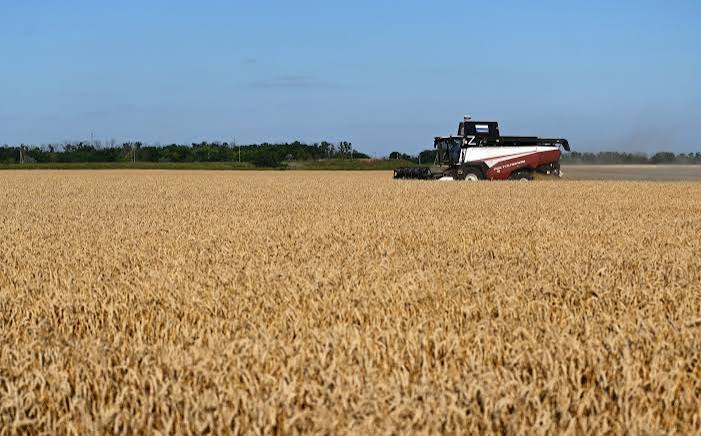
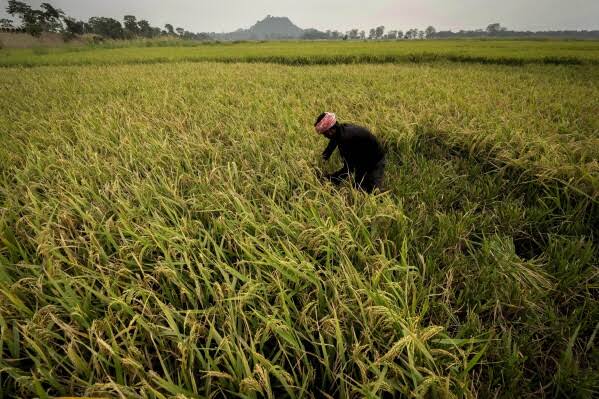
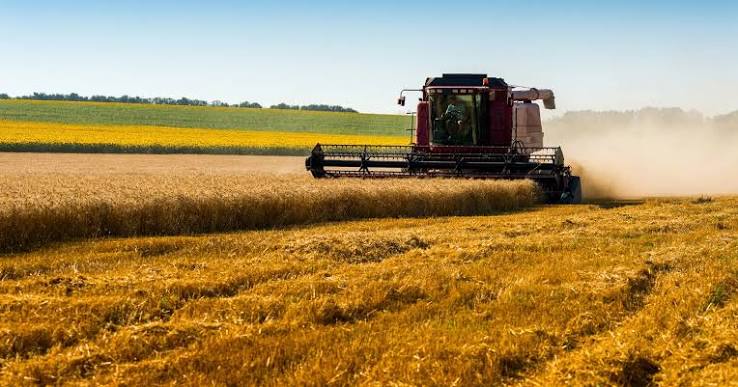
Feed scarcity has emerged as a critical concern, as crops traditionally used for animal feed are increasingly diverted to produce biofuels. This has led to higher input costs for farmers and producers, impacting the overall efficiency of animal agriculture.
At the same time, low yields and productivity in livestock and aquaculture remain persistent issues, limiting the potential for domestic growth and international competitiveness. Efforts to modernize farming practices and improve animal health have had mixed results, leaving many producers struggling to maintain profitability.
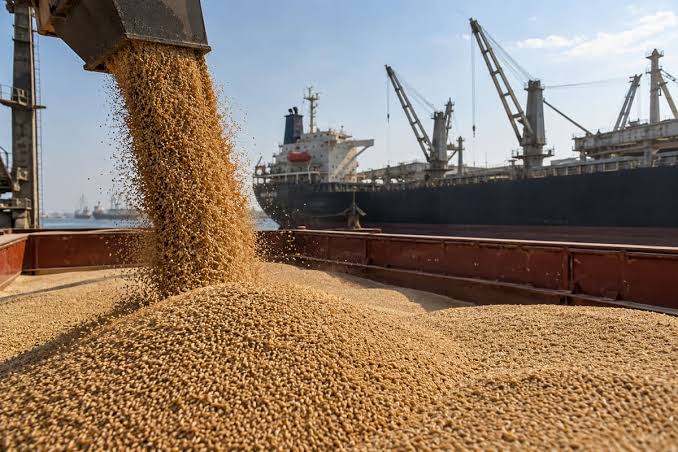
Adding to the challenges, tariffs and trade barriers on key export markets are restricting opportunities for Indian producers to expand overseas, further straining the sector. Analysts warn that without targeted policy support and investment in technology and infrastructure, the country could face stagnation in its animal agriculture output.
“The combination of feed shortages, low productivity, and export barriers is creating a perfect storm for India’s animal agriculture,” said a senior industry expert. “Strategic interventions are needed to secure both domestic supply and international market access.”
The sector, which plays a vital role in rural livelihoods and India’s food security, now faces a critical juncture. Industry stakeholders emphasize the need for coordinated policy measures, technological adoption, and market diversification to navigate these headwinds and ensure sustainable growth.


 By
By