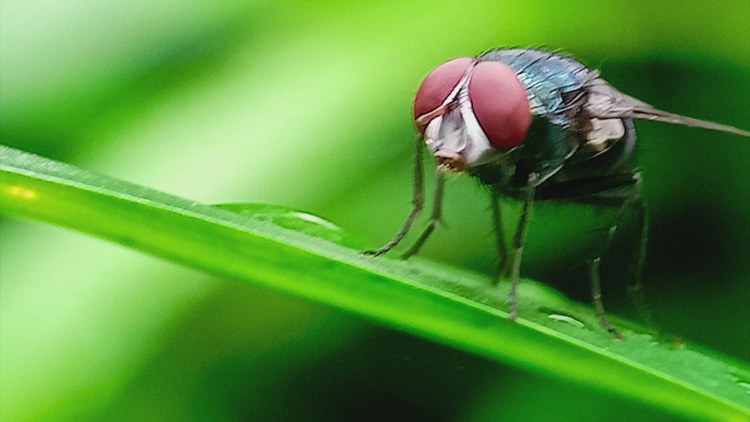
The recent detection of the New World screwworm approximately 70 miles from the Texas-Mexico border has prompted urgent action from federal and state authorities. The parasitic fly, which poses a serious threat to livestock, has triggered emergency plans aimed at preventing its spread into U.S. agricultural regions.
Authorities are coordinating a multi-pronged response that includes sterile-fly release programs, increased monitoring and surveillance, and additional funding for containment efforts. The screwworm larvae can infest and kill livestock if not controlled, making rapid action critical for protecting the livestock industry and local economies.
“This detection is a serious concern, but swift coordination and proven containment strategies can prevent significant damage,” said a spokesperson from the U.S. Department of Agriculture (USDA).
The sterile-fly technique, which has been successfully used in previous outbreaks, involves releasing sterilized flies to disrupt reproduction and gradually reduce the population. Federal and state agencies are also urging livestock owners in border areas to heighten biosecurity measures and report any suspected cases immediately.
The detection underscores the ongoing risk of invasive pests along international borders and highlights the importance of vigilant monitoring and rapid response to protect U.S. agriculture.


 By
By