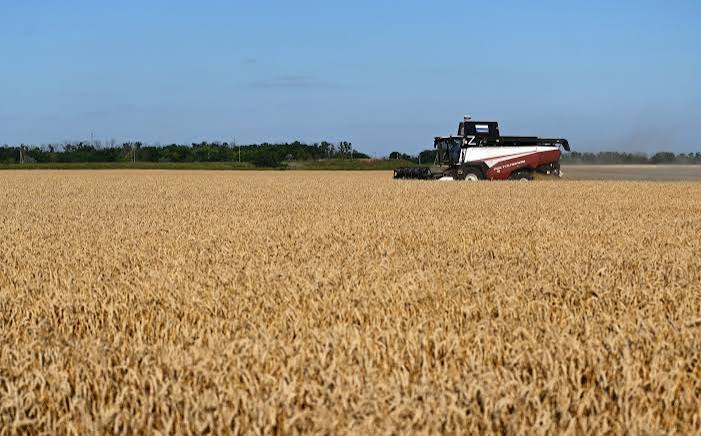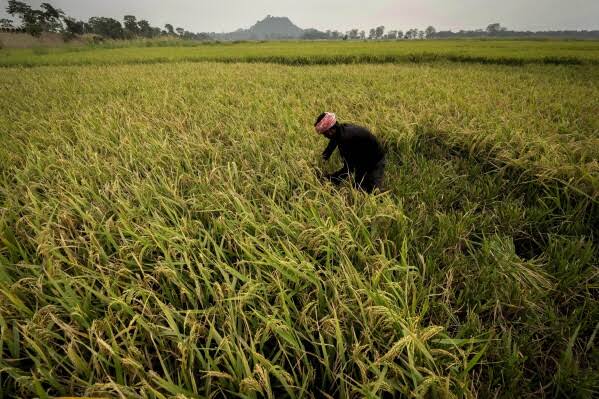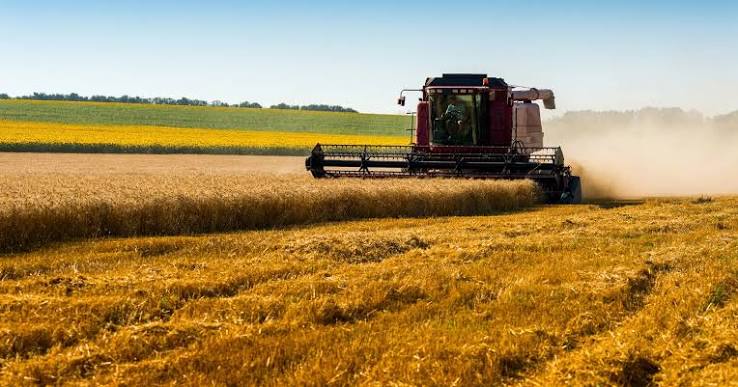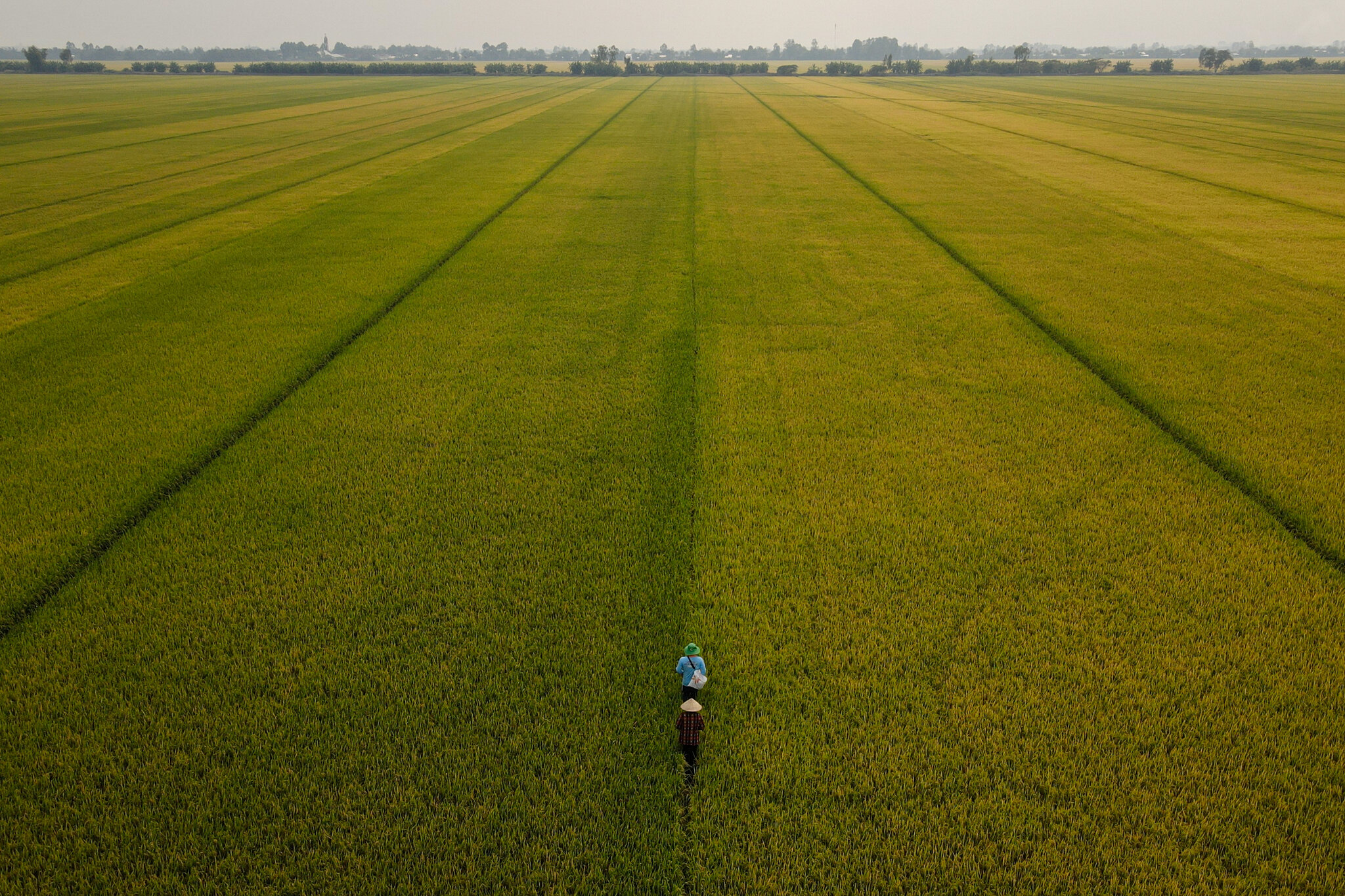
Rice production in the United States has experienced a notable decline this year due to adverse weather conditions affecting key growing regions. Farmers in states like Arkansas, California, and Louisiana have faced a combination of drought, excessive rainfall, and unseasonable temperatures, which have significantly impacted crop yields.
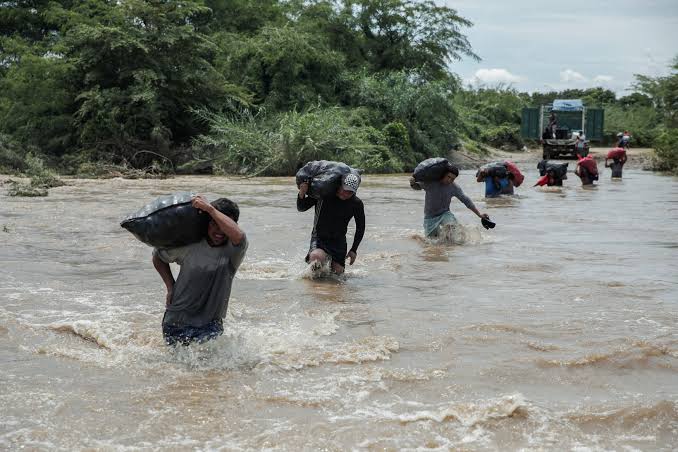
According to the U.S. Department of Agriculture (USDA), the overall rice harvest is expected to drop compared to last year, with quality and quantity both affected. Experts note that prolonged dry spells in some areas slowed crop growth, while heavy rains in others caused flooding and disrupted planting schedules.
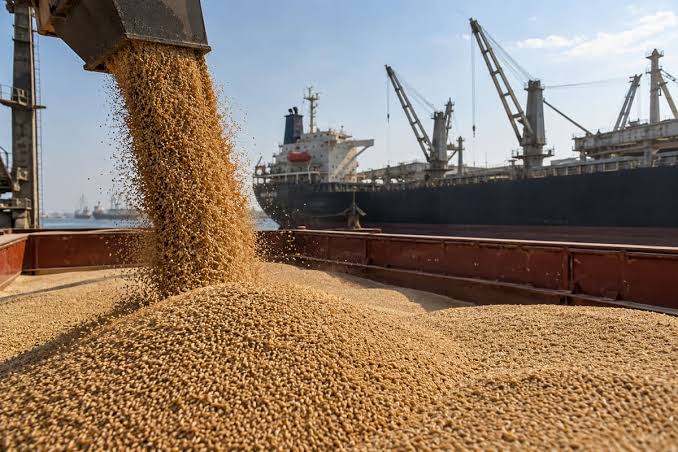
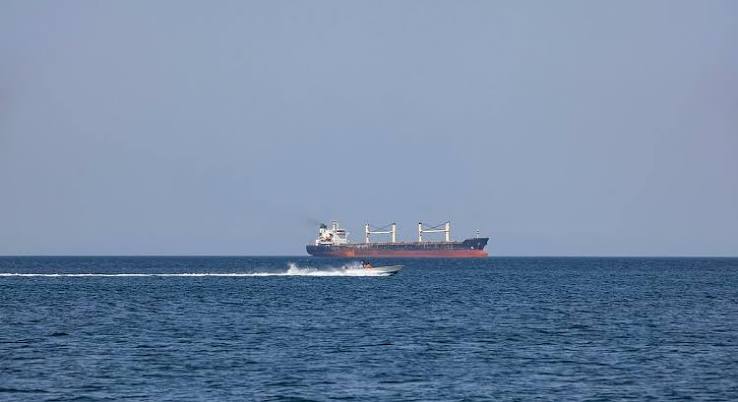
The reduction in U.S. rice output is expected to influence both domestic prices and international exports. While the country remains a major rice exporter, lower production could tighten supplies for global buyers and potentially lead to higher prices in the international market.
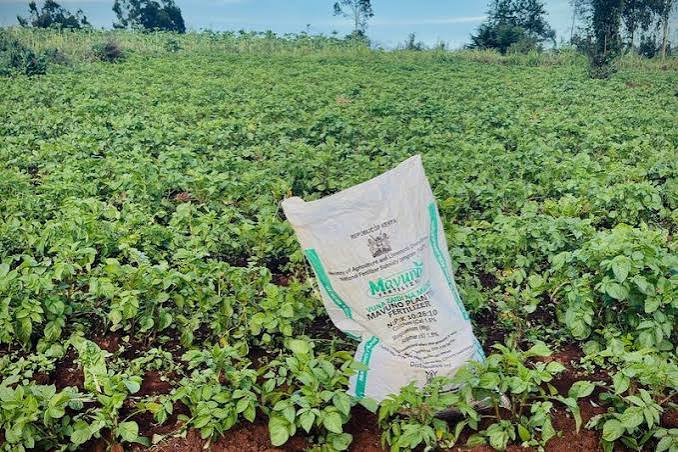
Farmers and agricultural authorities are exploring mitigation strategies, including improved irrigation systems, crop rotation, and resilient rice varieties, to reduce the impact of extreme weather in future seasons. The USDA continues to monitor conditions closely and provide guidance to growers to help sustain production levels despite these challenges.
This year’s production decline underscores the growing impact of climate variability on agriculture and highlights the importance of adaptive farming practices to secure food supply and support farmers’ livelihoods.


 By
By