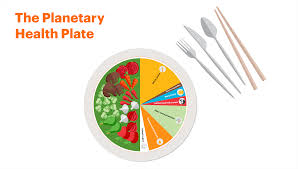
The EAT-Lancet Commission has released a comprehensive report outlining a sustainable global diet designed to nourish a growing population of 10 billion by 2050 while minimizing environmental impact. The proposed diet emphasizes plant-based foods, including vegetables, fruits, legumes, and whole grains, along with moderate amounts of animal products.
According to the commission, shifting toward this diet could significantly reduce greenhouse gas emissions, limit deforestation, and decrease water use associated with food production. Experts also highlight potential health benefits, including lower rates of heart disease, obesity, and diabetes.
The report stresses the need for systemic changes across food systems, including sustainable farming practices, reduced food waste, and policies supporting healthy eating habits worldwide. Collaboration among governments, industries, and communities will be essential to implement the recommendations effectively.
The EAT-Lancet Commission’s guidelines aim to balance human nutrition with environmental sustainability, offering a roadmap for feeding the world responsibly while safeguarding the planet for future generations.


 By
By