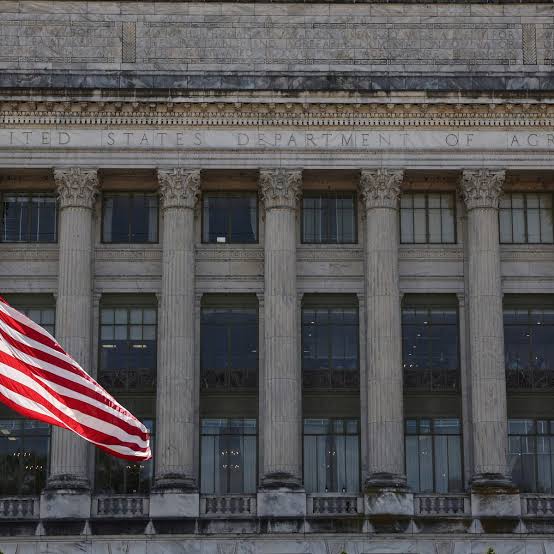
The ongoing U.S. government shutdown has created major uncertainty across the country’s agriculture sector, leaving farmers, traders, and commodity analysts without access to vital market data. With key departments like the U.S. Department of Agriculture (USDA) and the Commodity Futures Trading Commission (CFTC) suspending their regular reports, the agricultural community is struggling to operate without critical insights on crop conditions, export sales, and market movements.
The shutdown has forced the USDA to halt the release of its Crop Progress Report, World Agricultural Supply and Demand Estimates (WASDE), and Weekly Export Sales Reports, while the CFTC has suspended its Commitments of Traders (COT) report, which tracks positions in commodity futures markets. These reports are the backbone of decision-making for farmers and traders, providing guidance on what to plant, when to sell, and how to hedge risks.
Without this information, both domestic and global markets are feeling the strain. Analysts say that the absence of official data is fueling speculation and volatility, making it harder for farmers to plan their operations and for buyers to fix prices. “The absence of reliable government data creates unnecessary uncertainty in the marketplace,” said commodities analyst David Harper. “Producers are making selling and planting decisions without knowing global demand or pricing trends.”
The effects of the data blackout are being felt far beyond the United States. Countries that import major American crops such as soybeans, corn, and wheat rely heavily on USDA’s weekly updates to assess supplies and make buying decisions. With no data coming in, global traders are left guessing, and price fluctuations have become more unpredictable. Jennifer Lee, senior economist at the Global Food Policy Institute, said, “When U.S. data stops flowing, the entire world feels the impact. Importers, processors, and logistics firms all depend on this information for stability.”
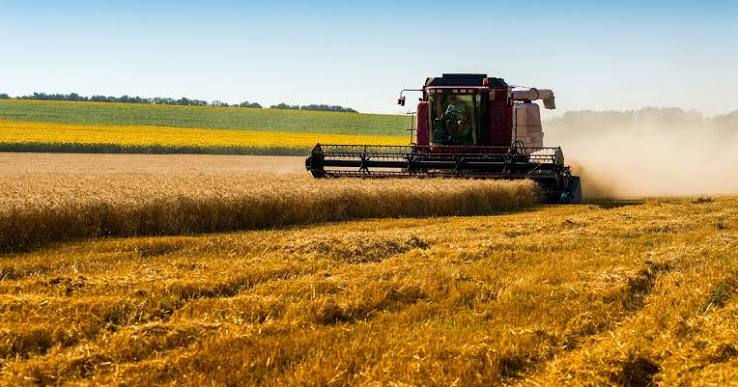
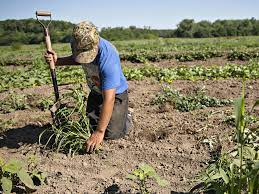
For American farmers, the timing couldn’t be worse. As they wrap up harvest and prepare for the next planting season, they depend on accurate market reports to make business decisions. Without USDA forecasts or export figures, many are delaying crop sales or input purchases, fearing sudden price swings. Grain elevators and cooperatives are also reporting reduced trading activity as uncertainty grips the market.
Industry bodies such as the American Farm Bureau Federation and the National Grain and Feed Association have urged the government to restore agricultural data services as soon as possible. Experts warn that even when the shutdown ends, catching up with the backlog of reports will take time and could distort future analyses.
The shutdown has highlighted how deeply global agriculture depends on U.S. data transparency. Without timely updates, farmers, traders, and policymakers are, as many have put it, “flying blind” operating in the dark in one of the world’s most important agricultural markets.

 By