

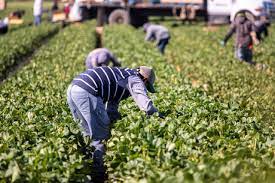
A new study from the University of Oxford’s Environmental Change Institute has revealed that the worldwide transition towards plant-based diets—including vegetarian, vegan, and flexitarian eating patterns—could bring major transformations to the global agricultural workforce and farming systems. The research analyzed data from 179 countries, showing that the ongoing dietary shift has the potential to reshape not just what people eat, but also how and where food is produced.
According to the study, as more consumers choose plant-based foods over animal-based products, there will likely be a significant restructuring of farm labor, with demand for livestock production decreasing while the need for crop-based agriculture grows. This could lead to a redistribution of agricultural jobs—reducing employment in meat and dairy sectors while expanding opportunities in the cultivation, processing, and distribution of plant-based crops such as pulses, grains, fruits, and vegetables.
Researchers highlight that this transformation will not happen uniformly across the globe. Countries heavily dependent on livestock farming—such as those in Latin America, parts of Africa, and the United States—may experience greater economic and employment shifts. Meanwhile, nations that already focus on plant-based agriculture could benefit from increased export opportunities and market expansion.
The Oxford team emphasized that while the move towards sustainable diets can have clear environmental and health benefits, it also poses challenges that must be addressed through careful planning and policy design. Governments and international organizations may need to implement retraining programs and transition support for farmers and workers whose livelihoods depend on animal farming. In addition, investments in supply chain diversification and sustainable agricultural practices will be essential to ensure that the global food system adapts smoothly to new dietary trends.
The study underscores that the rise of plant-based diets is not merely a lifestyle or consumer choice issue but a powerful driver of structural change in agriculture. As food preferences evolve globally, the shift could redefine everything from farm management and land use to rural employment patterns and global trade flows.
Ultimately, the Oxford researchers conclude that managing this transition proactively could help achieve a more resilient, equitable, and sustainable food system—one that benefits both people and the planet.


 By
By











