In a major breakthrough for sustainable agriculture, scientists from the International Potato Center (CIP), working alongside Indigenous farming communities in Peru, have developed a new potato variety named “CIP-Asiryq”, which shows remarkable resistance to late blight — the devastating disease historically responsible for the Irish potato famine and still a major threat to farmers worldwide.
Late blight, caused by the Phytophthora infestans pathogen, remains one of the most destructive crop diseases, leading to billions of dollars in losses each year and forcing farmers to rely heavily on chemical fungicides. The newly developed CIP-Asiryq variety offers a much-needed alternative. It not only provides robust protection against late blight but also delivers improved cooking and processing qualities, marking a milestone in crop innovation tailored to real-world challenges.
According to the CIP researchers, CIP-Asiryq cooks 25 percent faster than Peru’s widely grown native variety, making it more energy-efficient and suitable for household consumption. Moreover, the new variety requires fewer fungicide sprays, helping farmers cut production costs and reduce their environmental footprint. Its versatility also allows it to serve both table and processing markets, creating new economic opportunities for growers and processors alike.
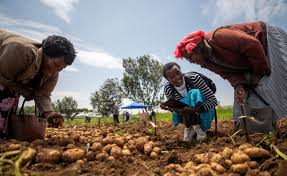
The success of CIP-Asiryq reflects years of collaborative research between scientists and local farmers in Peru’s Andean highlands. By combining traditional knowledge of native potato species with modern breeding techniques, researchers have been able to develop a variety that balances disease resistance, yield stability, and culinary quality — all vital factors in a region where potatoes are central to food security and livelihoods.
Experts believe that such climate-resilient and disease-tolerant crops will play a crucial role in safeguarding global food systems amid increasing threats from changing weather patterns and emerging plant diseases. The development of CIP-Asiryq also highlights the importance of farmer-led innovation, where local participation ensures that new varieties are well-suited to specific cultural, climatic, and market contexts.
As the world faces growing agricultural pressures, CIP-Asiryq stands as a symbol of hope and adaptation — demonstrating how science, tradition, and innovation can work together to build a more resilient future for farmers and consumers alike.


 By
By
 gratisafhalen.be says: