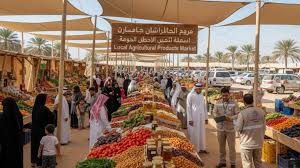
Qatar has officially reopened its local agricultural markets for the 2025–26 season, marking a renewed effort to boost domestic food production and enhance national food security. The initiative involves participation from over 100 Qatari farms, which will supply a variety of fresh, locally grown produce, including seasonal vegetables, honey, dates, and other agricultural goods, directly to consumers across the country.
The reopening of these markets is part of Qatar’s broader strategy to reduce dependence on food imports and build a more resilient, self-sufficient food system. The country, known for its arid climate and limited arable land, has made significant strides in recent years to develop modern farming systems, promote hydroponics, and support local agribusinesses through technology-driven initiatives and financial incentives.
According to the Ministry of Municipality and Environment, the local markets will serve as vital platforms for farmers to connect directly with consumers, allowing them to retain a larger share of profits and strengthen rural livelihoods. By shortening the supply chain, the program also aims to ensure fresher, higher-quality produce for consumers while reducing the environmental impact of long-distance food transport.
The decision aligns with Qatar’s National Food Security Strategy, which prioritizes sustainable agriculture and local food resilience. The COVID-19 pandemic and global trade disruptions in recent years highlighted the vulnerabilities of heavy import reliance — prompting Gulf nations like Qatar to invest in homegrown food production and local value chains.
Agricultural experts note that while Qatar will continue to rely on imports for certain staples, the renewed emphasis on domestic cultivation and market linkages represents a significant shift toward long-term sustainability. Farmers participating in the program are being encouraged to adopt water-efficient irrigation, greenhouse cultivation, and organic farming methods to maximize productivity within the country’s challenging desert environment.
The 2025–26 season reopening not only supports Qatar’s food-security ambitions but also reflects a global trend among high-income, import-dependent nations — investing in local agriculture, community markets, and short supply chains to strengthen resilience against future shocks.
By reinforcing the link between producers and consumers, Qatar’s local agricultural markets symbolize a forward-looking approach to achieving food independence and sustainability in a rapidly changing global food landscape.


 By
By