The global agriculture nets market, which includes shade nets, cover nets, and other protective farming materials, is projected to witness substantial growth over the coming decade. According to a recent market research report by openPR.com, the sector was valued at approximately US$11.82 billion in 2024 and is expected to expand to around US$19.38 billion by 2033, reflecting a compound annual growth rate (CAGR) of about 5.65 percent.
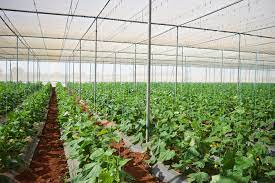
Agriculture nets are increasingly being adopted worldwide as farmers look to mitigate the effects of extreme weather, pests, and radiation stress on crops. These nets play a crucial role in protected cultivation systems, helping maintain optimal growing conditions for high-value crops such as vegetables, flowers, fruits, and nursery plants. By controlling temperature, humidity, and sunlight exposure, agriculture nets enhance yield quality and reduce input losses — a key factor driving their market demand.
The report highlights that the growing focus on sustainable and intensive farming practices is fueling the adoption of such infrastructure-based solutions. With unpredictable climate patterns and rising global food demand, protected cultivation methods — including shade-net houses, polyhouses, and greenhouses — are being increasingly promoted by governments and private agritech firms alike.
In developing countries like India, China, and those across Southeast Asia, the trend is particularly strong due to rising awareness about resource-efficient farming, along with policy support for micro-irrigation, climate-resilient agriculture, and precision cultivation. India’s horticulture sector, for instance, has seen rapid expansion in shade-net cultivation areas, supported by government subsidy programs under the Mission for Integrated Development of Horticulture (MIDH) and similar state-level initiatives.
Meanwhile, in advanced agricultural markets such as Europe, North America, and Israel, growth is being driven by technological innovation — including advanced materials like UV-stabilized nets, insect-proof coverings, and biodegradable polymers — that enhance durability and environmental sustainability.
Market analysts predict that as global agricultural intensification continues, the demand for efficient and cost-effective farm infrastructure inputs will rise sharply. Beyond seeds and fertilizers, farmers are now investing in protective systems and smart infrastructure to safeguard their crops and optimize productivity.
Overall, the expanding agriculture nets market underscores a critical shift in modern farming — from traditional open-field cultivation toward protected, technology-assisted production systems designed to ensure higher yields, resource efficiency, and long-term resilience against climate and market uncertainties.

 By
By