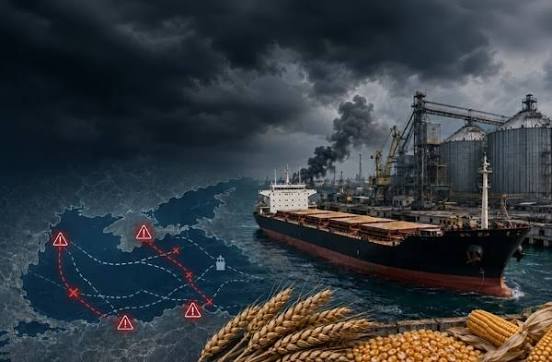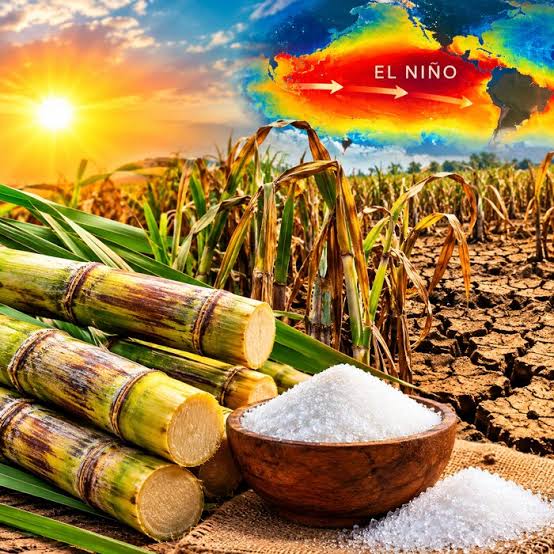
Global agriculture is set to enter a period where geopolitical forces will play a stronger role than traditional market fundamentals, according to Rabobank’s latest Agri Commodity Outlook 2026 report. The assessment suggests that political decisions, trade alignments and strategic national interests will increasingly influence production strategies, trade flows and commodity prices worldwide.
The report highlights that while supply-and-demand dynamics will remain relevant, they will no longer be the sole drivers of agricultural markets. Instead, governments are expected to use tools such as tariffs, subsidies, export restrictions and the building of strategic reserves more frequently. These interventions, the report notes, may create unpredictable market conditions, prompting stakeholders across the agricultural value chain to adapt quickly.
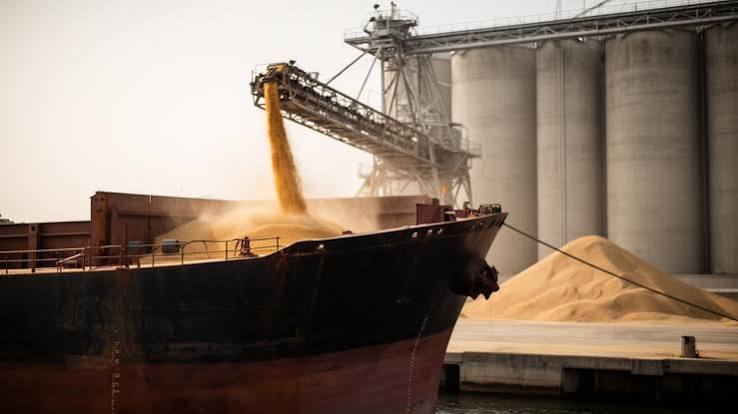
A major part of this shift revolves around the evolving roles of the United States and China in global agri-trade. Both nations are expanding their influence through policy choices that shape market access, pricing structures and long-term bilateral agreements. As the world’s leading agricultural exporter, the U.S. is expected to use trade leverage to protect domestic producers and strengthen strategic partnerships. China, on the other hand, is likely to diversify its sourcing strategy, invest in overseas agricultural assets and secure long-term supply channels to support its food security goals.
These moves are expected to influence commodity markets ranging from grains and oilseeds to dairy, cotton and meat. Analysts believe that this geopolitical phase could result in increased price volatility, unexpected shifts in trade corridors and tighter competition among exporting nations.
The report urges farmers, traders, processors and policy-makers to prepare for a more intervention-driven environment. Monitoring global political developments, understanding policy trends and adopting flexible marketing and procurement strategies will be essential to manage risks.
Implications for India
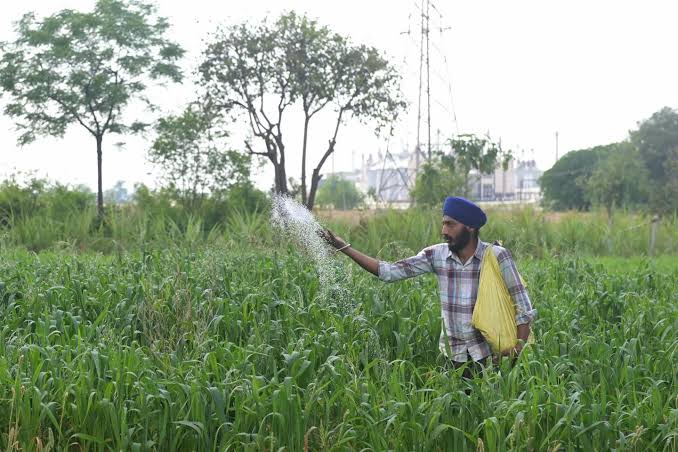
For India, the changing global landscape means its agricultural sector will be more closely tied to international policy decisions. Export and import policies, access to global markets and the behaviour of major buyers will become increasingly important. Indian exporters may see new opportunities in markets shifting away from traditional suppliers, while also facing challenges from sudden trade barriers or geopolitical tensions.
The report underscores that India’s ability to adapt—through diversified trade partnerships, improved logistics and stable domestic policies—will determine how effectively it navigates the evolving global scenario.
As 2026 approaches, the overarching message is clear: geopolitics will be a defining force shaping global agriculture, and preparedness will be crucial for all stakeholders.

 By
By