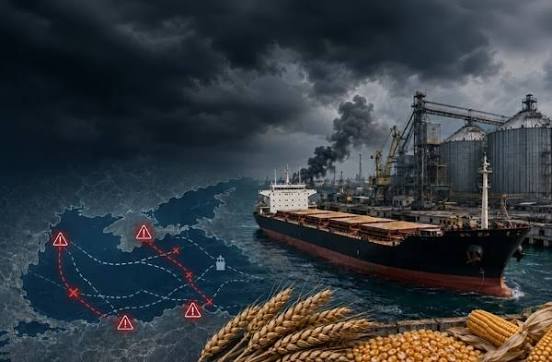
A new analysis from Farmonaut® indicates that tariffs are set to remain one of the most influential forces shaping global agricultural trade in 2025. The report highlights that several major commodities—including soybeans, corn, wheat, dairy products, meat, and high-value fruits and nuts—are among the most exposed to tariff fluctuations in the coming year. This exposure is expected to reshape export competitiveness across regions and potentially reorder long-established supply chains.
According to the assessment, shifting tariff policies can quickly alter trade flows by making certain exporting nations more or less competitive in global markets. For example, an increase in import duties on a country’s soybean or dairy exports could push buyers to redirect their purchases to alternative suppliers with lower tariff burdens. Conversely, tariff reductions in selective markets may open new opportunities for exporters that were previously unable to penetrate those regions.
The report notes that geopolitical tensions, evolving trade agreements and national food security priorities are expected to trigger tariff adjustments more frequently in 2025. Such changes may influence not only commodity prices but also long-term investment decisions by farmers, processors and agribusinesses. With supply chains already under pressure from currency volatility, climate risks and shifting demand patterns, tariff-driven disruptions add another layer of uncertainty for stakeholders worldwide.
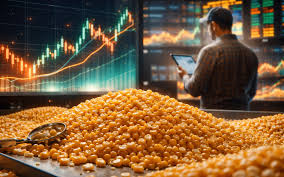
Analysts observe that commodities like fruits and nuts—often associated with high export value—are particularly sensitive to tariff movements, as even a small duty increase can erode profitability. Meanwhile, bulk commodities such as wheat and corn may see broader global ripple effects, given their central role in food and feed systems.

 By
By