

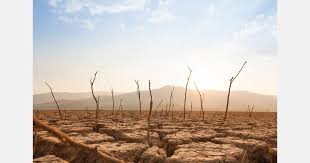
Fruit growers across the world are facing increasing uncertainty as extreme and unpredictable weather events continue to disrupt production in major horticultural regions. Heatwaves, hailstorms, unseasonal rainfall, prolonged droughts, and sudden temperature fluctuations are causing significant damage to fruit crops, raising concerns about future supplies and market stability.
Agricultural experts warn that climate-related risks are becoming one of the biggest challenges for the global horticulture industry. Crops such as mangoes, apples, grapes, citrus fruits, cherries, and berries are particularly vulnerable to changing weather conditions during critical stages of flowering, fruit setting, and harvesting.
Mango Production Impacted by Heat and Irregular Rainfall
Mango-producing regions in Asia, Africa, and Latin America have reported production losses due to unusually high temperatures and erratic rainfall patterns. Excessive heat during flowering can reduce pollination success, while unexpected rain during fruit development often increases disease pressure and fruit drop.
In several growing areas, farmers have experienced delayed flowering cycles and lower fruit retention rates. Agricultural scientists note that even short periods of extreme weather can significantly affect both fruit quality and overall yields.
The challenges are especially concerning for countries where mangoes represent an important export commodity and a key source of income for millions of growers.
Apple Orchards Face Multiple Climate Risks
Apple-producing regions are also experiencing growing weather-related threats. Unseasonal warm temperatures followed by sudden cold spells can damage blossoms and reduce fruit formation. In addition, severe hailstorms have caused extensive losses in orchards across several major production zones.
Prolonged dry periods have created water stress for trees, while heavy rainfall events have increased the risk of soil erosion, disease outbreaks, and fruit quality deterioration. Growers are increasingly investing in protective technologies such as anti-hail nets, frost protection systems, and advanced irrigation methods to reduce climate-related risks.
However, these solutions often require substantial investment, making them difficult for smaller producers to adopt.
Rising Concerns Over Fruit Supply and Prices
The impact of extreme weather on fruit production is beginning to influence global supply chains. Lower yields and quality losses can reduce market availability, potentially leading to higher prices for consumers and lower incomes for affected farmers.
Industry analysts suggest that recurring climate disruptions could contribute to greater price volatility in fruit markets over the coming years. Export-dependent countries may also face challenges in meeting international demand if production levels continue to fluctuate.
Food retailers and processors are closely monitoring crop conditions as they assess potential supply shortages and procurement costs.
Adaptation Strategies Gain Importance
Researchers and agricultural institutions are encouraging growers to adopt climate-resilient farming practices. These include improved water management systems, drought-tolerant rootstocks, weather monitoring technologies, precision agriculture tools, and diversified orchard management strategies.
Governments in several countries are also expanding support programs aimed at helping fruit growers adapt to changing climatic conditions through financial assistance, crop insurance, and research initiatives.
Long-Term Outlook
Climate experts believe that extreme weather events are likely to become more frequent and intense in many agricultural regions. As a result, the horticulture sector may face increasing pressure to develop resilient production systems capable of withstanding environmental uncertainty.
While innovation and improved farm management can help reduce risks, industry leaders emphasize that addressing long-term climate challenges will be critical to ensuring stable fruit supplies, protecting farmer livelihoods, and maintaining global food security in the decades ahead.


 By
By











