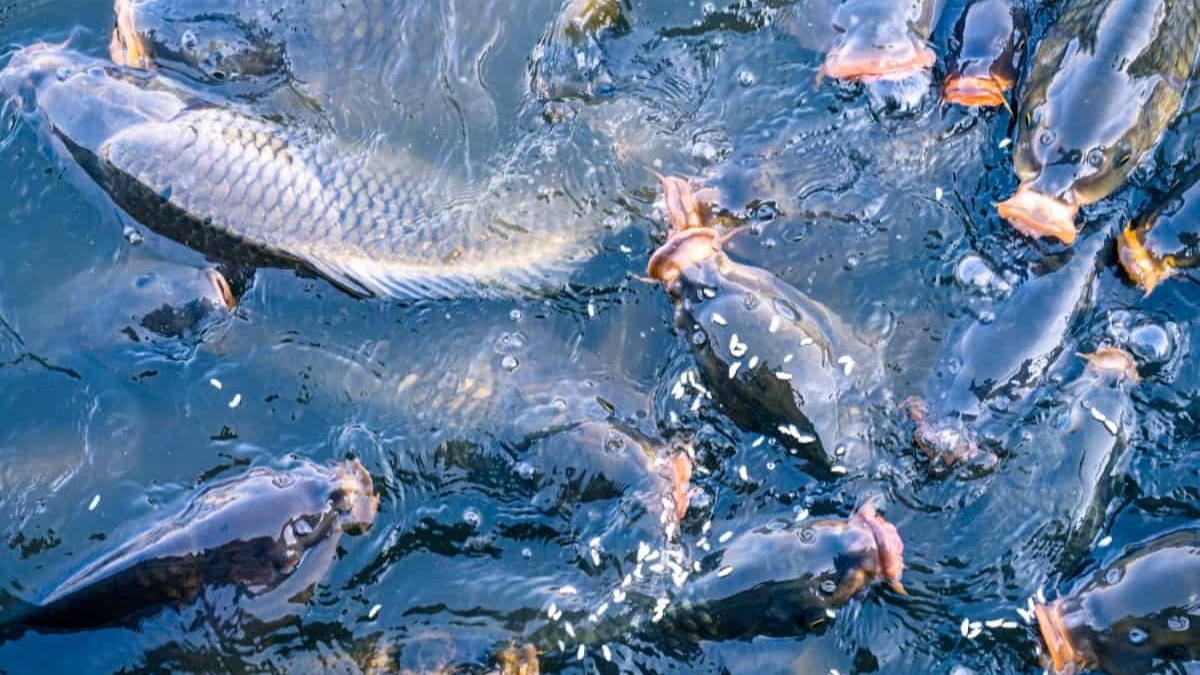
Aquaculture is increasingly being recognized as a critical pillar of global food security, with the Food and Agriculture Organization of the United Nations (FAO) projecting strong growth in the sector over the coming years. According to AP News, the FAO has set an ambitious target to increase global aquaculture output by nearly 35 percent by 2030. This expansion is seen as essential to meeting rising seafood demand and supplementing traditional capture fisheries, which are under strain from overfishing and environmental pressures.
The projection underscores a broader shift in how global food systems are viewed. Agriculture is no longer confined to crops and livestock alone; aquaculture, fisheries, and other aquatic food systems now play an equally important role in ensuring nutrition security, income generation, and sustainable resource use. As populations grow and dietary patterns evolve, the demand for protein-rich, nutrient-dense seafood continues to rise, making aquaculture one of the fastest-growing food sectors worldwide.
FAO’s outlook stresses that boosting aquaculture production will require coordinated efforts in technology adoption, disease management, feed efficiency, water quality monitoring, and sustainable farming practices. Innovations such as recirculating aquaculture systems (RAS), improved hatchery management, and digital monitoring tools are expected to support higher yields while reducing environmental impacts.
Equally important is the need to ensure that growth in aquaculture does not come at the cost of ecosystem health. The FAO’s strategy emphasises responsible development, encouraging countries to strengthen regulations, promote climate-resilient practices, and invest in training and infrastructure that support long-term sustainability.

 By
By