The U.S. Department of Agriculture (USDA) has opened a new sterile fly production facility in Tampico, Mexico, marking a major step forward in efforts to control the New World screwworm—a destructive parasite known for causing severe harm to livestock across the Americas. The state-of-the-art facility will produce and release millions of sterile male flies, a proven method to suppress and prevent screwworm populations from regenerating in vulnerable regions.
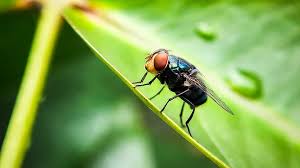
The New World screwworm, a parasitic fly whose larvae feed on the living flesh of warm-blooded animals, has long been considered one of the most damaging pests to livestock health. Infestations can cause serious wounds, infections, weight loss, and, in severe cases, death. For cattle producers, outbreaks translate to substantial economic losses through reduced productivity, increased veterinary costs, and expanded biosecurity measures.
The newly inaugurated USDA facility operates under the Sterile Insect Technique (SIT), a biological control approach that releases sterilized male flies into the environment. When these sterile males mate with wild female screwworm flies, no viable offspring are produced, leading to a gradual decline in the population. This strategy has been highly successful in the past; collaborative U.S.–Mexico efforts eradicated the pest from the United States decades ago and pushed the barrier of control further south.
Officials from both countries emphasized that the Tampico facility strengthens an already successful binational partnership. By increasing the production capacity of sterile flies, the USDA aims to reinforce a protective buffer zone that prevents the screwworm from moving northward and re-establishing itself in previously eradicated territories. Maintaining this buffer is crucial, particularly as climate shifts and increased animal movements raise the risk of pest spread.
Experts note that continued vigilance is essential. While screwworm numbers have dropped significantly across North and Central America over the years, the pest remains a constant threat, especially in tropical regions where it can survive year-round. The Tampico facility will help ensure rapid response capability if new outbreaks occur, minimizing harm to livestock and reducing dependence on chemical treatments.
Agricultural leaders and veterinary specialists have welcomed the initiative, describing it as a cost-effective and environmentally friendly approach to protecting animal health. As livestock industries across the region look for sustainable ways to manage pests, the USDA’s expanded sterile fly program represents a critical investment in long-term agricultural security and animal welfare.


 By
By