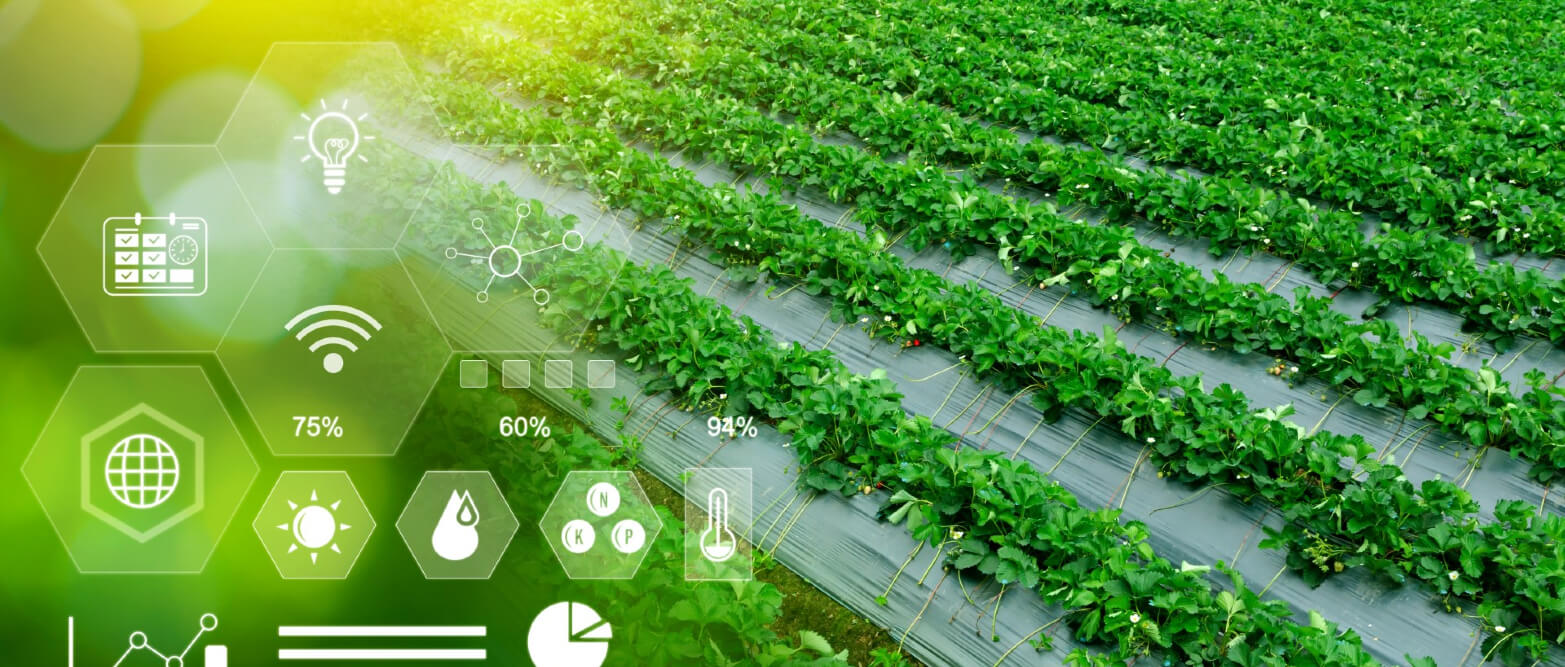
A global shift toward precision farming is rapidly transforming modern agriculture, as producers increasingly turn to artificial intelligence, satellite imagery, and real-time sensor technology to boost efficiency and sustainability. This technology-driven approach is helping farmers use resources more wisely, reduce input costs, and achieve higher, more consistent yields amid growing climate and economic pressures.
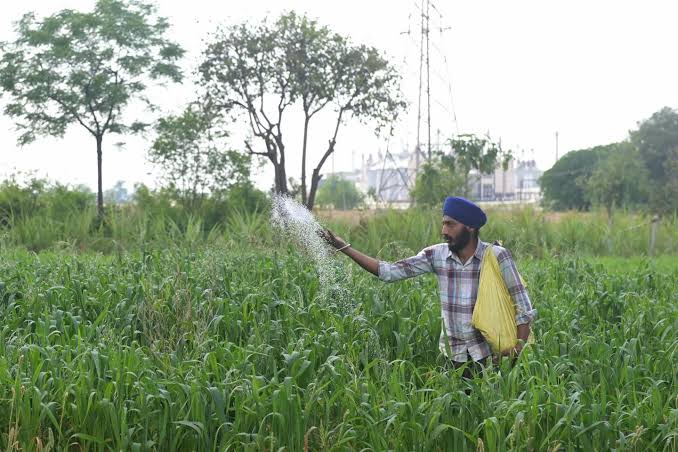
Precision agriculture relies on detailed data to guide farming decisions at every stage of production. Using AI-powered analytics, farmers can now interpret complex datasets—from soil nutrient levels to crop health indicators—and take targeted action rather than relying on broad or uniform applications. These insights enable more precise use of fertilizers, pesticides, and water, ultimately reducing waste and protecting the environment.
Satellite imagery has become a particularly valuable tool in this trend. High-resolution images allow farmers to monitor crop conditions, detect early signs of stress, and identify areas that may require special attention. Combined with drone surveys and mapping software, this imagery offers a clearer understanding of field variability, helping farmers allocate resources exactly where they are needed.
Sensors placed in fields and on equipment are also reshaping day-to-day farm operations. Soil moisture probes, weather stations, and connected agricultural machinery generate continuous real-time data, allowing producers to adjust irrigation schedules, planting times, and harvest strategies with greater accuracy. This level of monitoring helps conserve water, improve soil health, and ensure crops grow under optimal conditions.
Farmers in both developed and developing countries are embracing these tools as they look for ways to cope with unpredictable weather patterns, rising input prices, and the need for more climate-resilient food systems. In many regions, precision agriculture has already led to measurable improvements—such as reduced water use, lower chemical application rates, and increased profitability per hectare.
Technology companies, governments, and research institutions are accelerating the momentum by investing in user-friendly platforms and affordable technologies tailored for small and medium-sized farms. Training programs and digital extension services are also helping bridge knowledge gaps, ensuring that farmers can make the most of these innovations.
As global demand for food continues to rise, precision agriculture is emerging as a key solution for producing more with fewer resources. The growing adoption of AI, satellite monitoring, and smart sensors signals a new era in farming—one where data guides decisions, sustainability becomes central, and agriculture becomes more resilient to the challenges of the future.

 By
By