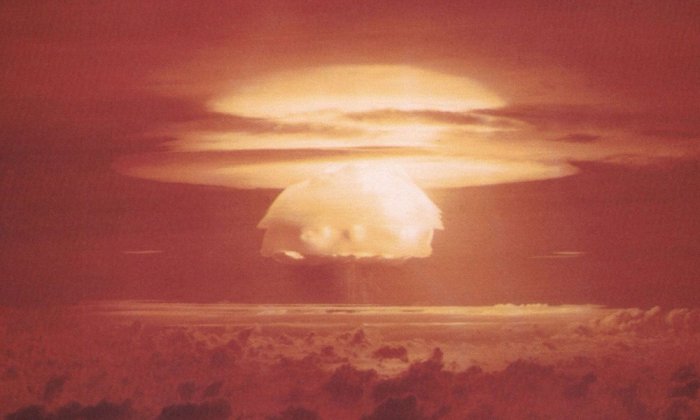
A series of recent scientific studies has modeled how extreme climate disruptions—particularly those triggered by a potential nuclear winter—could sharply reduce global crop yields, raising serious concerns about the resilience of the world’s food systems. Researchers say the simulations, based on advanced climate models and agricultural forecasting tools, show that staple crops such as corn, wheat, and soybeans could experience dramatic declines under even moderate nuclear-conflict scenarios.
The concept of a nuclear winter refers to the drastic cooling and reduced sunlight that would occur if large-scale fires from nuclear detonations inject massive amounts of soot into the upper atmosphere. This soot would block sunlight, alter rainfall patterns, and rapidly depress global temperatures for several years. According to researchers, these sudden and severe environmental shifts would directly disrupt plant growth and shorten growing seasons worldwide.
In their simulations, scientists examined a range of scenarios—from small-scale regional conflicts to large-scale confrontations—and found that even limited incidents could have cascading impacts on global agriculture. Corn, one of the world’s most widely grown crops, emerged as particularly vulnerable. Reduced solar radiation and lower temperatures could cut yields by up to 50% in major producing regions during the first year alone. Other crops such as rice, wheat, and soybeans would also suffer heavy losses due to reduced photosynthesis and stressed growing conditions.
The studies highlight how interconnected global food security systems are and how deeply they depend on stable climate patterns. Many countries rely heavily on imports of staple grains, meaning that severe declines in a few key exporting nations could trigger widespread shortages, price spikes, and food-access challenges. Researchers warn that existing humanitarian and food reserve systems are not designed to cope with such abrupt, large-scale production drops.
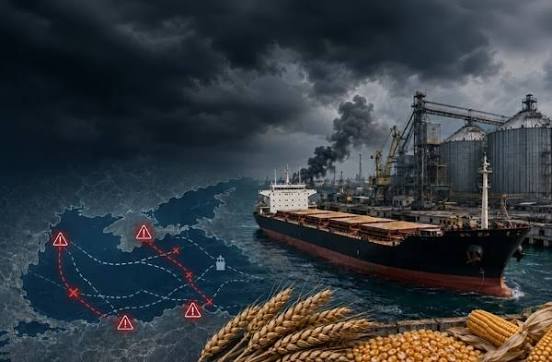
Beyond the direct agricultural impacts, scientists point out that livestock, fisheries, and global supply chains would also face significant disruptions. Reduced crop production would limit the availability of animal feed, while colder waters and altered ecosystems could affect fish populations. Transportation bottlenecks, political instability, and declining economic capacity could further complicate food distribution.
While the authors emphasize that nuclear conflict remains an extreme scenario, their findings underline the broader vulnerability of agriculture to abrupt climate shocks—whether caused by geopolitical crises, volcanic eruptions, or other catastrophic events. They argue that strengthening global food systems will require expanding strategic grain reserves, diversifying crop production, investing in climate-resilient agriculture, and improving emergency response planning.
For policymakers, the message is clear: understanding and preparing for low-probability but high-impact risks is essential to safeguarding global food security in an increasingly uncertain world.

 By
By