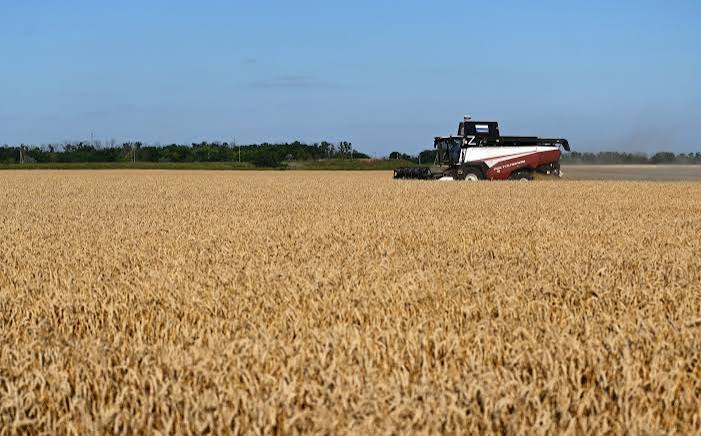
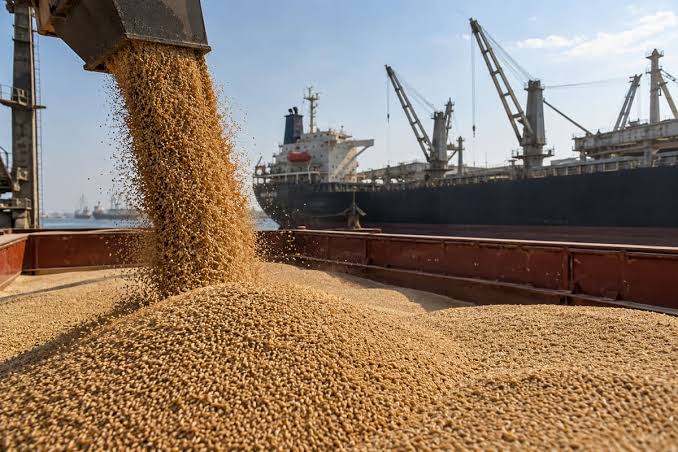
Rising global demand for soya—particularly for livestock feed—is increasingly linked to deforestation across Brazil’s Amazon and Cerrado regions, according to environmental researchers and supply-chain monitors. The expansion of soya cultivation is pushing agricultural frontiers deeper into ecologically sensitive landscapes, triggering significant environmental and social consequences.
The Amazon rainforest, a critical global carbon sink, and the Cerrado savanna, one of the world’s most biodiverse ecosystems, have both experienced accelerated land-clearing in recent years. Although soya is not always planted directly in newly deforested areas, experts note that cattle ranching often initiates forest loss, after which land is later converted into farmland for large-scale soya production.
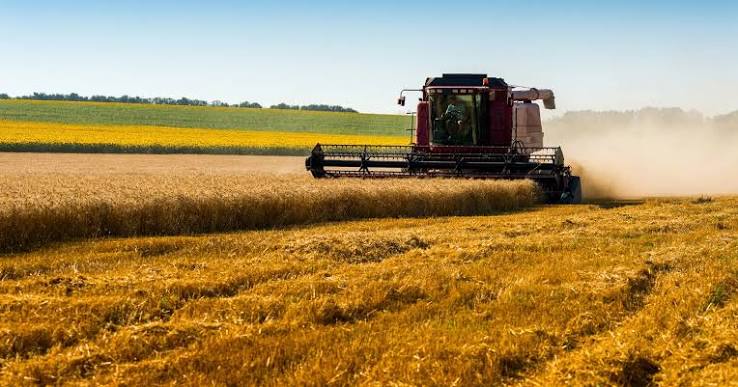
Much of the world’s soya output—nearly 80 percent—is used as feed for poultry, pigs, dairy cattle, and farmed fish. Growing demand from Asia and Europe for animal protein continues to drive pressure on Brazil, the world’s second-largest producer of soya.
Environmental groups warn that unchecked expansion threatens endangered species, disrupts Indigenous territories, and undermines global climate commitments. Land conflicts have also increased in parts of the Cerrado, where farming expansion overlaps with traditional and rural communities.
While Brazil has taken steps to monitor land use, calls are growing for stronger international supply-chain accountability. This includes tighter import regulations, deforestation-free certification, and incentives for sustainable production.
Researchers emphasize that transforming the global food system—through alternative proteins, improved feed efficiency, and land-use safeguards—will be essential to reducing the ecological footprint of soya while ensuring long-term food and environmental security.


 By
By