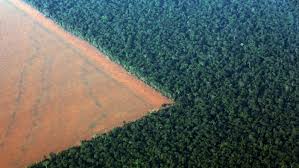
Growing international demand for soybeans—particularly for use in livestock feed—is intensifying pressure on Brazil’s Amazon and Cerrado regions, where deforestation is advancing at an alarming rate. Environmental researchers warn that the rapid expansion of soy cultivation is contributing to habitat destruction, biodiversity loss, and long-term climate risks in two of the world’s most ecologically significant landscapes.
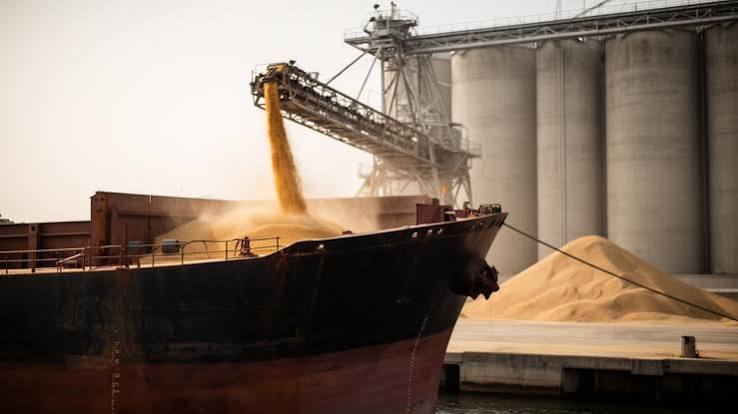
Over the past decade, soy has become one of Brazil’s most valuable agricultural exports, driven by rising global consumption of meat, poultry, and dairy products. Countries across Asia and Europe rely heavily on Brazilian soy to feed their livestock industries, creating strong market incentives for producers to clear more land. While some expansion occurs on already degraded farmland, a substantial portion is pushing deeper into native forests and savannahs.
The Cerrado, often described as the planet’s most biodiverse tropical savannah, has been particularly vulnerable. Once covering more than two million square kilometers, it has already lost over half of its natural vegetation. As soy plantations spread, crucial habitats for endangered species vanish, and the region’s capacity to store carbon diminishes. Scientists caution that continued clearing could undermine the Cerrado’s role in maintaining South America’s hydrological balance, potentially affecting rainfall patterns that sustain agriculture across the continent.
In the Amazon, deforestation linked to agriculture—including soy farming—continues despite intensified monitoring efforts. Clearing forests for large-scale production not only releases vast amounts of stored carbon but also increases the likelihood of wildfires and soil degradation. These changes further weaken the forest’s resilience and accelerate climate change.
Environmental organizations are urging stronger enforcement of land protection laws and more transparent supply chains. While several major agricultural traders have pledged to eliminate deforestation from their sourcing, critics argue that loopholes and inconsistent oversight allow forest clearing to continue. They stress that meaningful progress will require coordinated action from governments, corporations, and importing countries.
Brazilian officials face the dual challenge of supporting rural economies while protecting environmentally sensitive regions. Some policymakers advocate expanding soy production on degraded pastures rather than clearing native vegetation. Others emphasize the need for incentives that reward farmers for conservation-friendly practices.
As global demand for animal protein shows no sign of slowing, the pressure on Brazil’s landscapes is likely to intensify. Experts warn that unless stronger safeguards are implemented, ongoing deforestation could undermine both regional ecosystems and global climate goals. The future of the Amazon and Cerrado—and the communities and wildlife they sustain—may hinge on how quickly sustainable solutions take root.


 By
By