PepsiCo has announced a major expansion of its sustainability strategy with a commitment to implement regenerative agriculture practices across 10 million acres worldwide by 2030. The initiative, one of the largest undertaken by a global food and beverage company, aims to strengthen soil health, reduce environmental footprints, and increase long-term resilience for farming communities in its supply chain.
Regenerative agriculture focuses on practices that rebuild soil organic matter, enhance biodiversity, and improve water retention. Techniques such as cover cropping, reduced tillage, crop rotation, and precision input management help restore natural ecosystems while boosting productivity. PepsiCo’s goal covers land equivalent to its entire agricultural footprint, including key crops such as potatoes, corn, oats, and sugar.
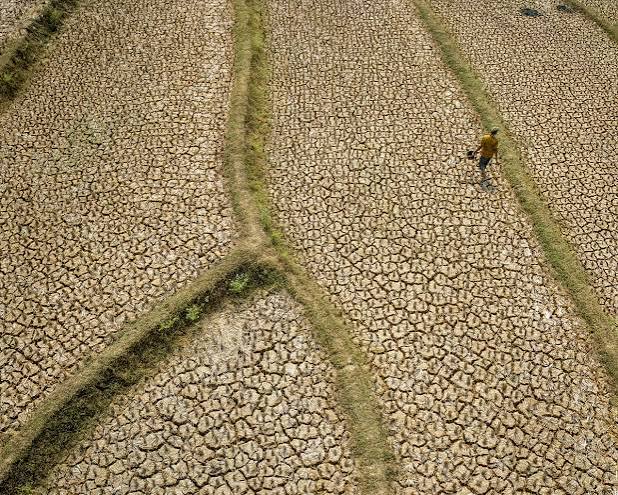
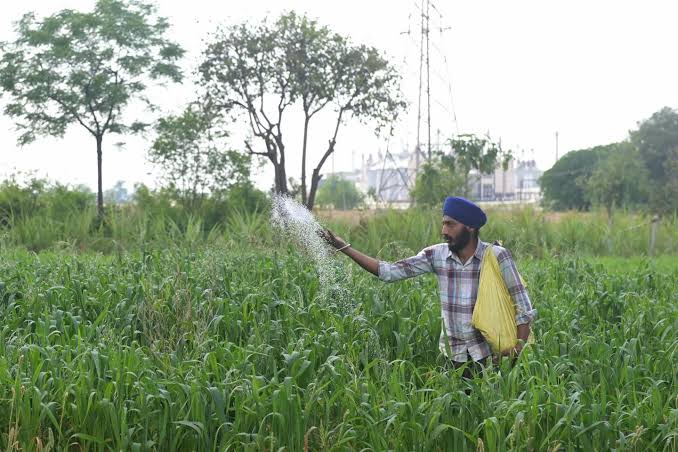
The company says the shift reflects growing awareness of the environmental pressures facing global agriculture. Climate change, soil degradation, and water scarcity have increased risks for farmers, particularly those supplying large multinational food manufacturers. PepsiCo aims to work closely with growers, offering technical guidance, training, and incentives to adopt regenerative methods that can improve yields while lowering emissions.
Early pilot projects have shown promising results. Farmers adopting regenerative practices have reported improvements in soil structure, reduced dependence on chemical fertilizers, and increased resilience during drought periods. Many have also seen economic benefits through lower input costs and better long-term productivity.
PepsiCo notes that regenerative agriculture will also contribute to its broader climate goals, including reducing absolute greenhouse gas emissions across its value chain. Healthier soils can store more carbon, helping offset emissions from food production, transport, and processing. The company plans to use data monitoring tools and partnerships with research institutions to track progress and measure impact.
However, the shift will require substantial collaboration. Smallholder farmers—who make up a large part of PepsiCo’s supply base in Asia, Africa, and Latin America—face challenges such as limited access to capital, technology, and agronomic support. To address this, PepsiCo is expanding its farmer training programs and exploring partnerships with governments and non-profit organizations to scale adoption.
Sustainability experts say that if successfully implemented, PepsiCo’s 2030 target could serve as a model for the food industry, demonstrating how major corporations can influence land stewardship across global supply chains. They emphasize that regenerative agriculture, while not a single solution, plays a crucial role in protecting ecosystems and ensuring long-term food security.
As environmental pressures mount, PepsiCo’s initiative signals a growing corporate shift toward farming systems that support both economic and ecological resilience—marking a significant step toward more sustainable global agriculture.


 By
By