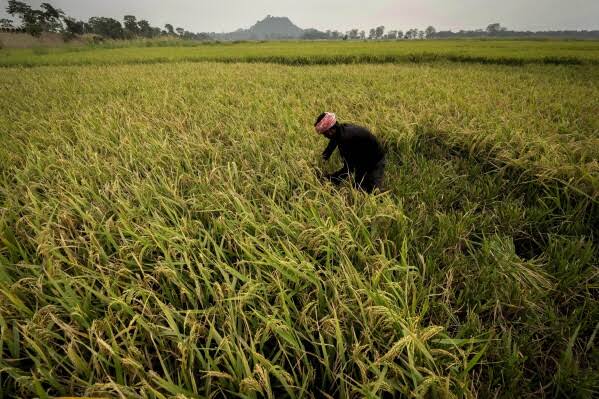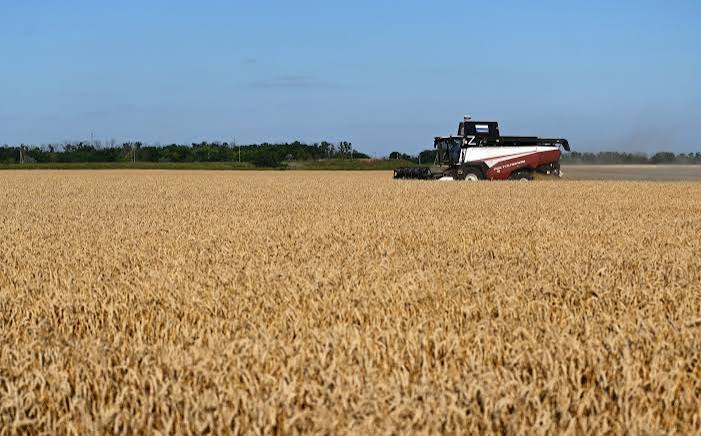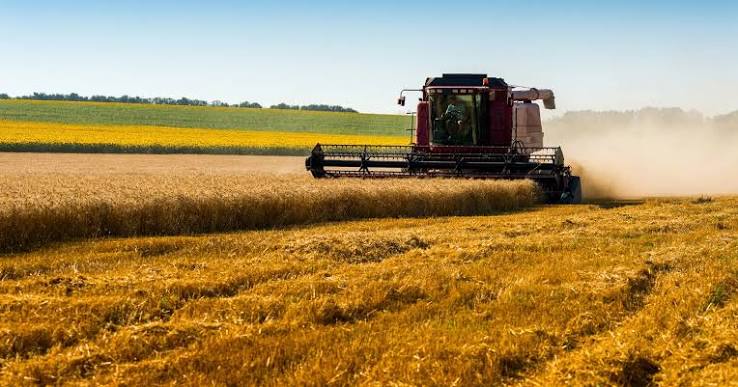
India’s wheat cultivation has reached an all-time high for the upcoming 2025/26 season, marking a significant milestone for the country’s agricultural sector. According to early field assessments from state agriculture departments and market analysts, farmers have expanded wheat planting by nearly 5% compared to last year. This surge has pushed the total sown area to a new record, reflecting both favourable weather conditions and strong market confidence among growers.
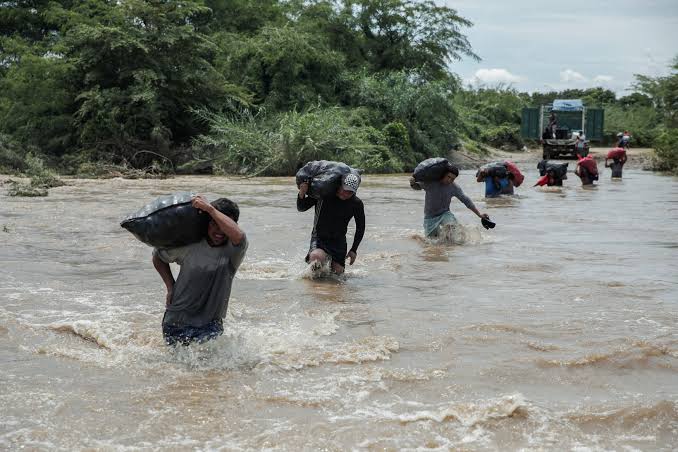
One of the primary drivers behind this expansion is the improved soil moisture following unusually heavy rainfall received across major wheat-growing regions during October. States such as Punjab, Haryana, Uttar Pradesh, and Madhya Pradesh reported substantial pre-sowing showers that boosted the moisture content of fields, creating ideal conditions for early and uniform germination. Agronomists note that adequate soil moisture at sowing significantly enhances yield potential, prompting many farmers to increase acreage to maximize production prospects.
In addition to weather support, attractive wheat prices in domestic markets have played a crucial role in motivating farmers to allocate more land to the crop. Over the past year, wheat prices have remained firm due to tight supplies and steady consumer demand. Although the government maintains a buffer stock system, private markets continue to offer competitive prices, encouraging farmers to ramp up production in hopes of securing better returns. The Minimum Support Price (MSP) increase announced earlier also contributed to farmers’ confidence ahead of the sowing season.
The higher wheat acreage comes at a time when India aims to stabilize its food grain reserves and strengthen supply chains. Last year’s lower production—linked to patchy weather conditions—raised concerns about rising prices and limited availability in certain regions. With the current season beginning on a positive note, policymakers anticipate a more comfortable supply situation by mid-2025, provided weather conditions remain favourable during the crop’s critical growth stages.
Agriculture experts, however, advise caution. While strong early sowing figures are encouraging, the final output will depend on winter temperatures, irrigation availability, and disease control measures. Wheat crops are particularly sensitive to heat stress during the grain-filling stage, and unexpected temperature spikes have affected yields in the past few years. The government and research institutions are therefore closely monitoring weather forecasts and providing advisories to farmers to support crop health.
Overall, the record expansion in wheat planting reflects a combination of favourable climate conditions, positive market signals, and growing farmer optimism. If the season progresses smoothly, India could be on track to achieve one of its highest wheat harvests in recent years, strengthening national food security and supporting rural incomes across major wheat-producing states.


 By
By